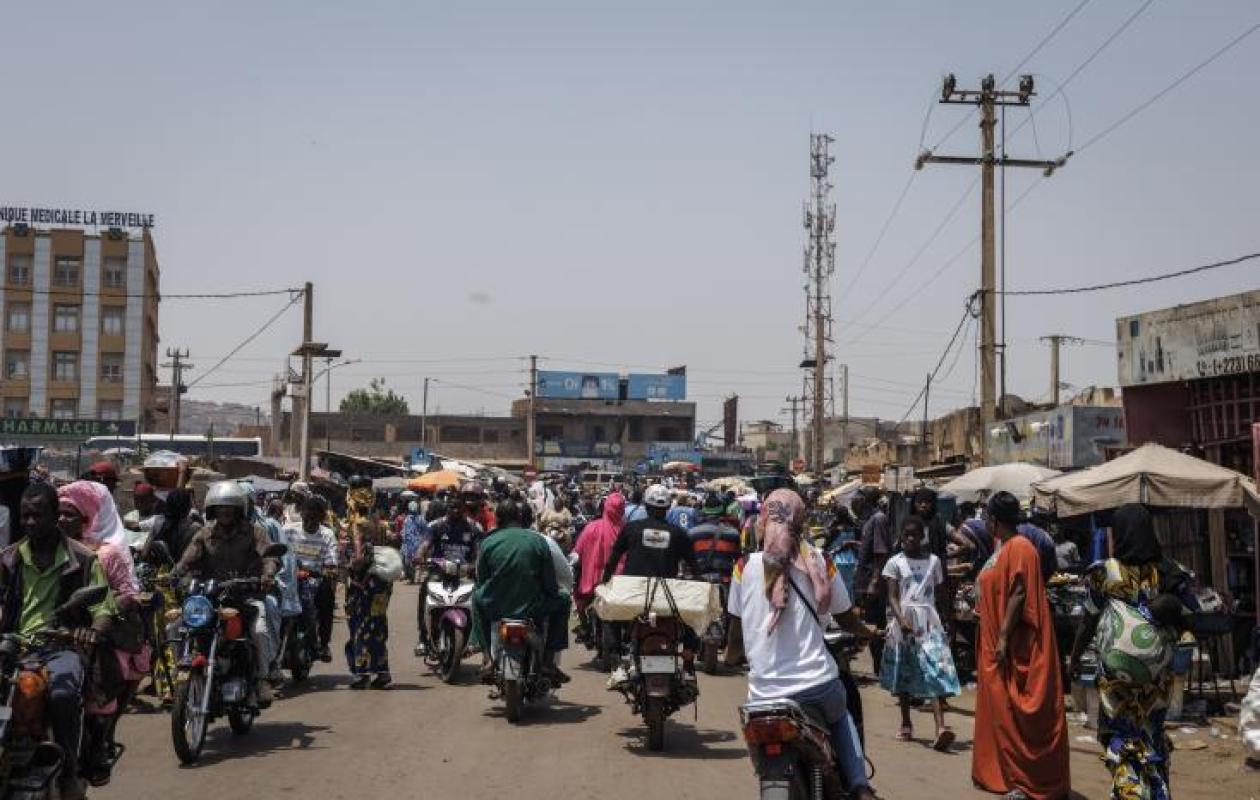
Situation sécuritaire critique au Mali, les rebelles touareg à Kidal
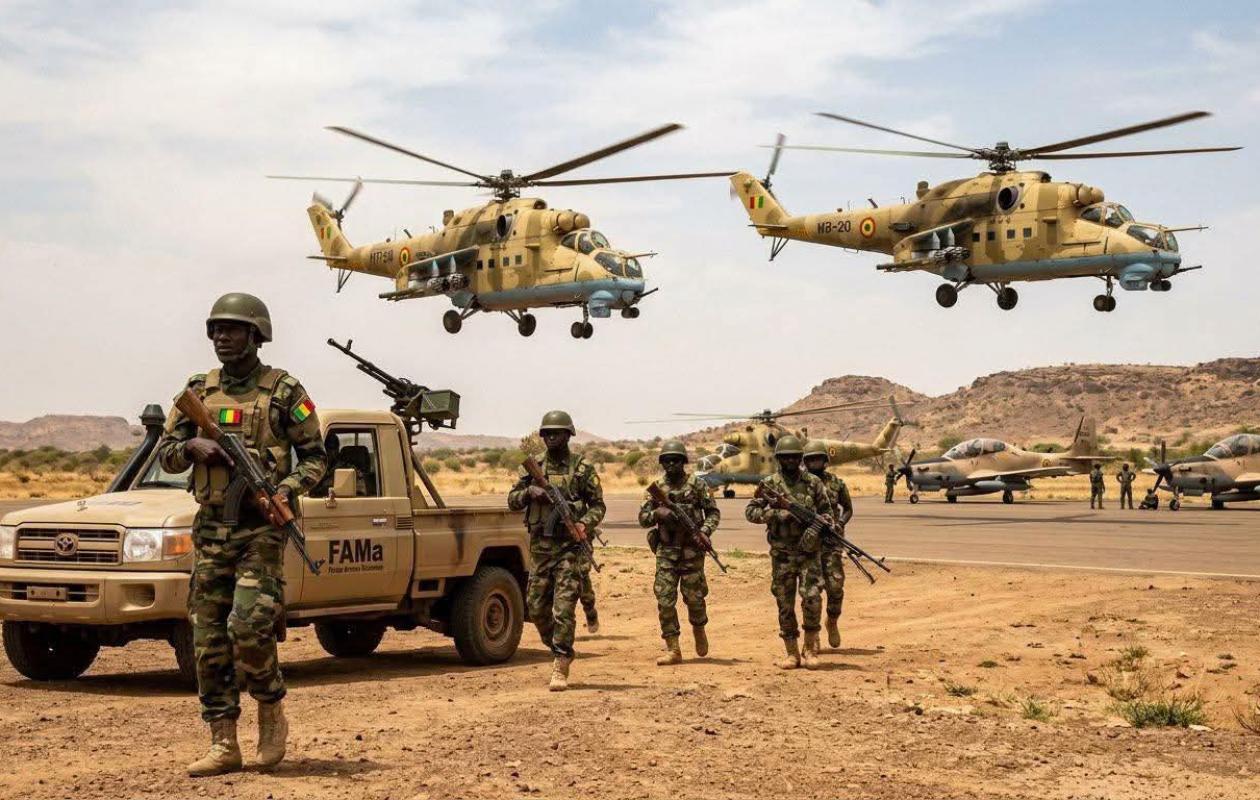
Mali is plunged into a critical security situation after a series of unprecedented coordinated attacks carried out on Saturday across the country by jihadists allied with the Tuareg rebellion against strategic positions of the ruling junta, whose army continued to fight sporadically on the ground on Sunday.
This situation in Mali since Saturday – large-scale coordinated attacks and the presence of armed groups in several cities, the death of the Minister of Defense – is unprecedented in almost 15 years and the events of March 2012. At the time, Tuareg independence rebels, quickly ousted by their Islamist allies associated with Al-Qaeda in the Islamic Maghreb, had taken control of the cities of Kidal, Gao and then Timbuktu, in the north.
Mali has since been plagued by conflicts and jihadist violence, but Saturday's attacks by jihadists from the Group for the Support of Islam and Muslims (JNIM, allied with Al-Qaeda) and the Tuareg independence rebellion of the Azawad Liberation Front (FLA) are also unprecedented since the junta seized power in 2020.
By the end of the day on Sunday, fighting had subsided in intensity across the territory, AFP journalists observed.
The rebels of the FLA, a separatist group claiming the territory of Azawad in northern Mali, asserted their "total" control of the key city of Kidal (north), following clashes that resumed in the morning and then ceased. The FLA also announced that it had reached an "agreement" allowing Russian soldiers from the Afrika Korps (a Russian paramilitary organization controlled by Moscow) to withdraw from Kidal.
Kidal was retaken in November 2023 by the Malian army supported by fighters from the Russian paramilitary group Wagner (which has since become Africa Corps), ending more than a decade of control by rebel groups.
- The silent junta leader -
The FLA also claims to have taken control of several positions in the Gao region (north). Fighting has ceased, but the rebels are still present on the outskirts of the city, an elected official told AFP.
Calm has returned to Kati, a garrison town and stronghold of the junta located about fifteen kilometers from Bamako, the capital, after shots were reported in the morning, according to a resident interviewed by AFP.
Airport operations resumed Sunday at Bamako International Airport after a 24-hour interruption.
But in Sévaré (central), the situation remained "confusing" and gunshots were still being heard in some places, according to a local elected official.
According to a report announced by the government, the fighting since Saturday has left 16 civilians and military personnel injured and caused "limited material damage", but the number of victims could rise, particularly among civilians.
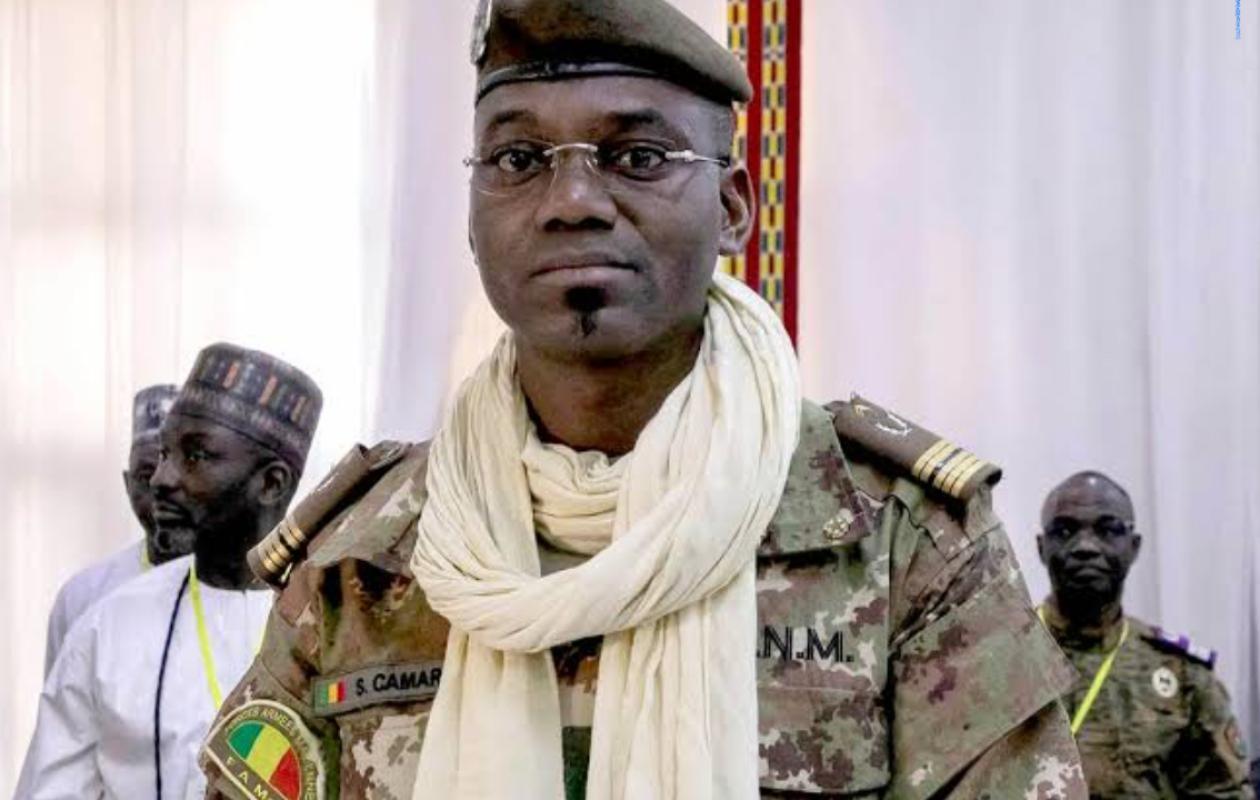
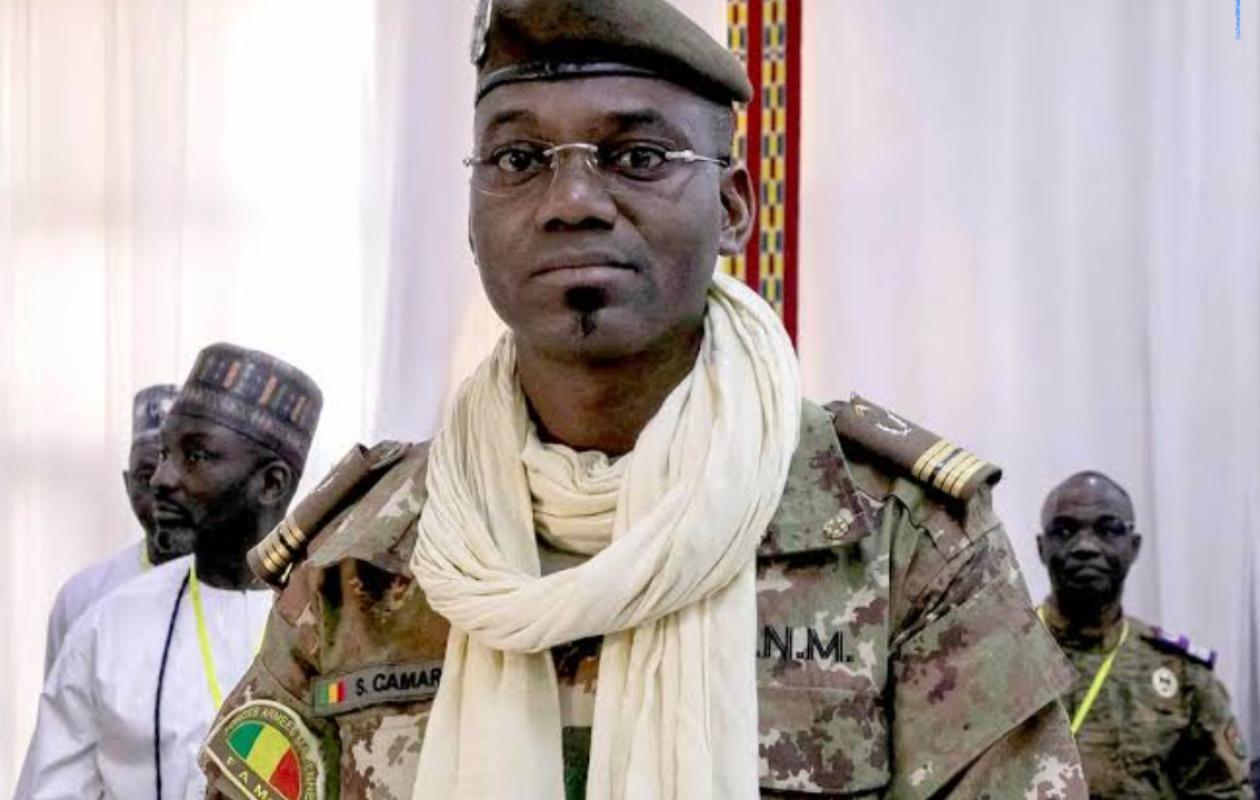
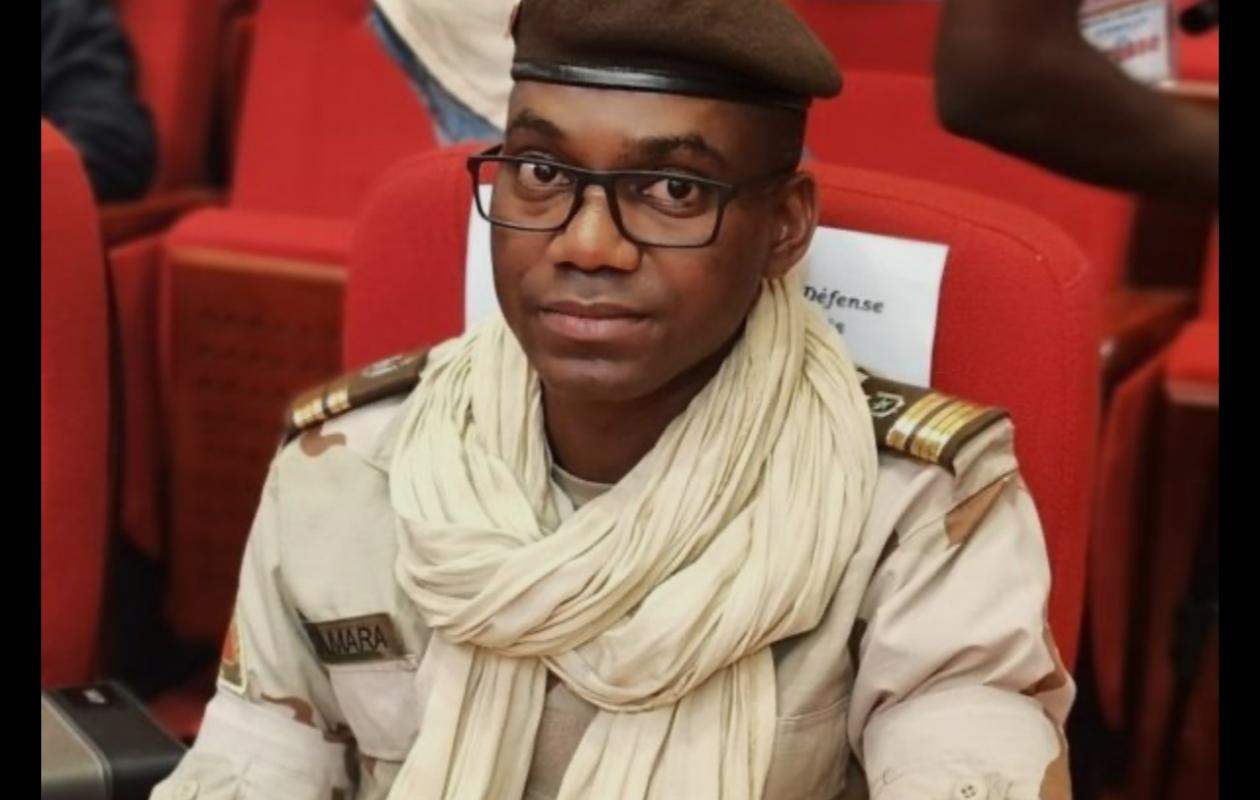
In a major blow to the military regime, Defense Minister Sadio Camara, 47, a key figure in the junta, was killed in a JNIM attack on his residence. "In the attack in Kati, Minister Camara was killed along with his second wife," a family member told AFP.
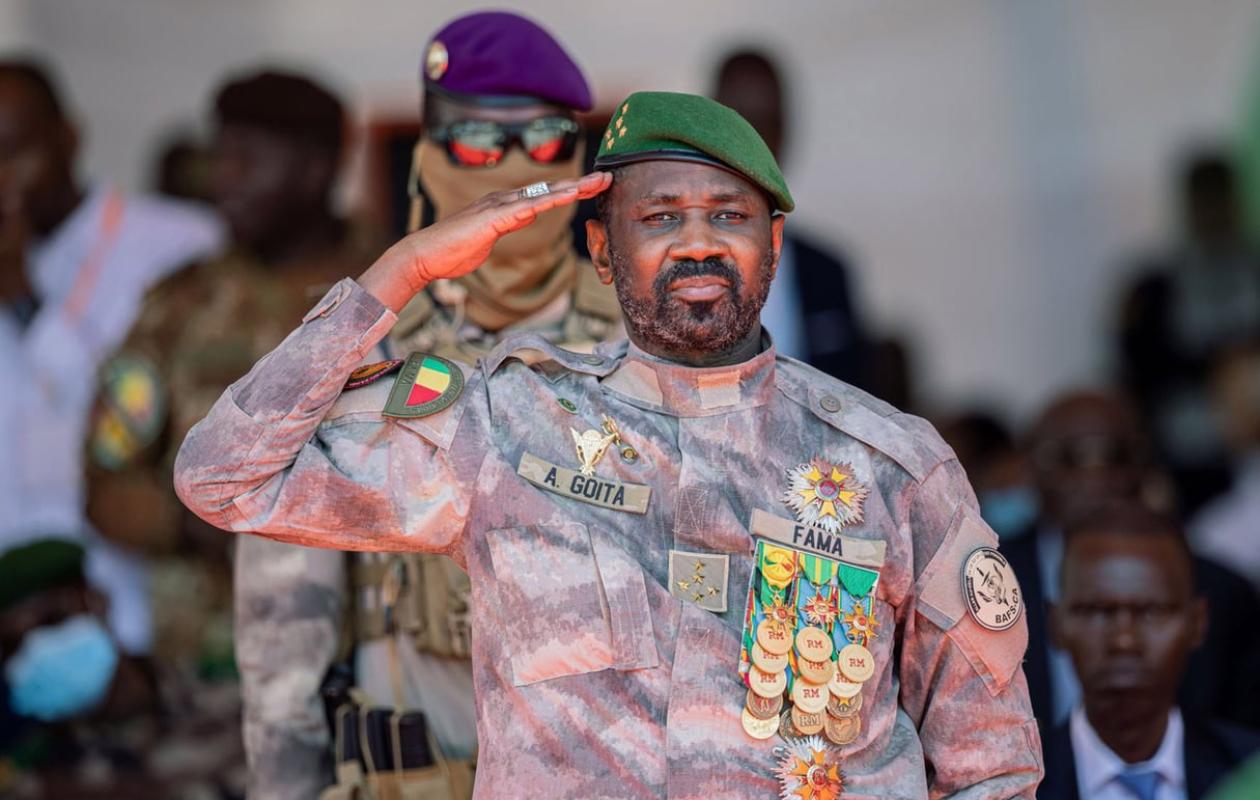
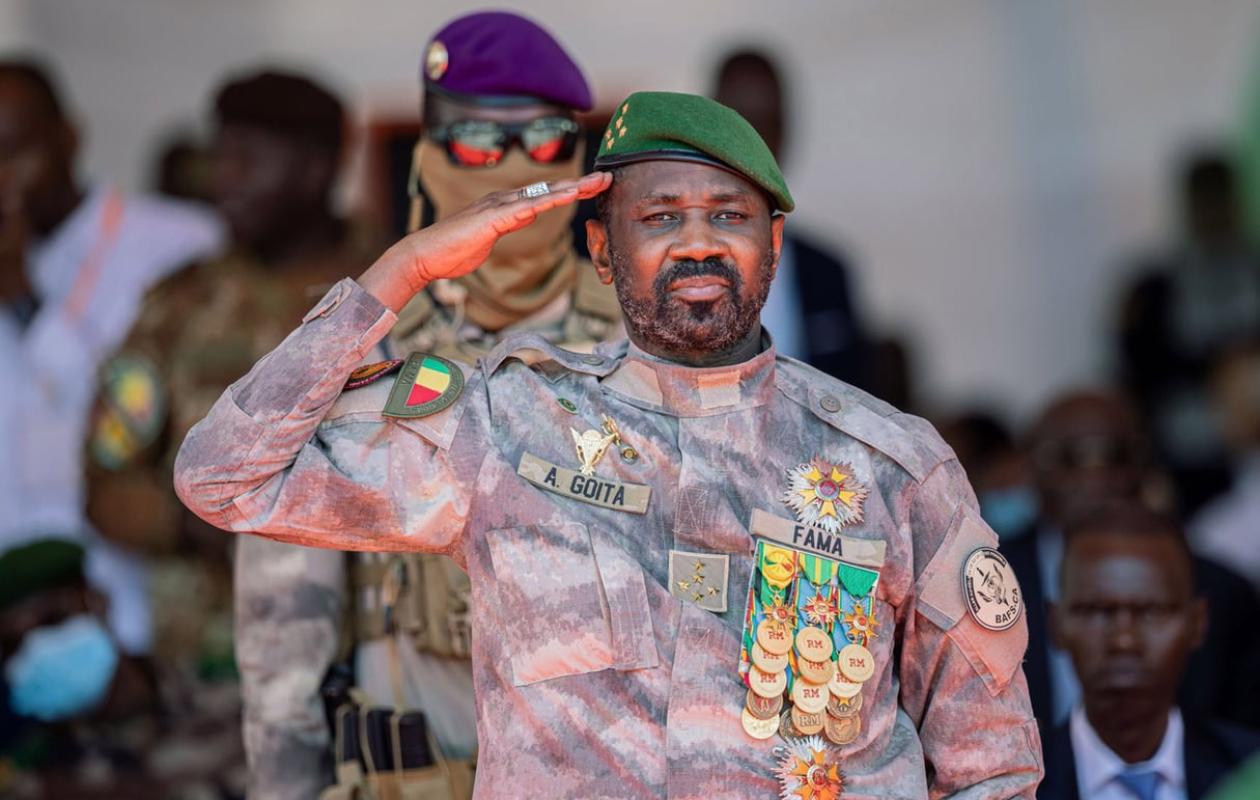
For his part, General Assimi Goïta, head of the junta, has not been seen nor has he spoken since the start of hostilities.
A Malian security source told AFP that he "was evacuated from Kati on Saturday and is in a safe location." But several observers are surprised by his silence, as well as that of the two other juntas in the Alliance of Sahel States (AES), a confederation which, in addition to Mali, includes Niger and Burkina Faso.
- Mali "in danger" -
JNIM, which has been fighting for years against the military in power in Bamako, proclaimed "victory" on Saturday evening following these attacks, believing it to be the result of hard work, coordination with its "partners" and "thanks to the active participation of our brothers" from the FLA.
He declares that he takes "responsibility" for the attacks that targeted on Saturday "the headquarters of Malian President Assimi Goïta, the headquarters of Malian Defense Minister Sadio Camara, the international airport" of Bamako and "military sites in the city of Kati".
Mali has been facing a deep security crisis since 2012, fueled in particular by violence from jihadist groups affiliated with Al-Qaeda and the Islamic State (IS), as well as community criminal groups and separatists.
In September 2024, JNIM claimed responsibility for a double attack of rare magnitude against the military airport in Bamako, the capital, and against the gendarmerie school, which left more than 70 dead and 200 wounded, according to security sources.
The Coalition of Forces for the Republic (CFR), the movement to which the influential Malian imam in exile, Mahmoud Dicko, belongs, stated in a press release on Sunday that Mali was "in danger." The junta "promised Malians security, stability, and the return of the state. Today, these symbols are under attack," according to the CFR.
"When the capital is targeted, when Kati is attacked, when Gao, Kidal, Mopti and Sévaré are affected, when populations live in fear and soldiers are still being sent into battle, no one can seriously claim that Mali is pacified" or "secure," added the CFR.




![[EXCLUSIF] Un gendarme auxiliaire tombe dans l'affaire Pape Cheikh Diallo](https://image.seneweb.com/content/news/2026-17-26//thumb_1260x800_69ee19493167f_XiDKaJHO1e.jpg)










Commentaires (1)
Participer à la Discussion
Règles de la communauté :
💡 Astuce : Utilisez des emojis depuis votre téléphone ou le module emoji ci-dessous. Cliquez sur GIF pour ajouter un GIF animé. Collez un lien X/Twitter, TikTok ou Instagram pour l'afficher automatiquement.