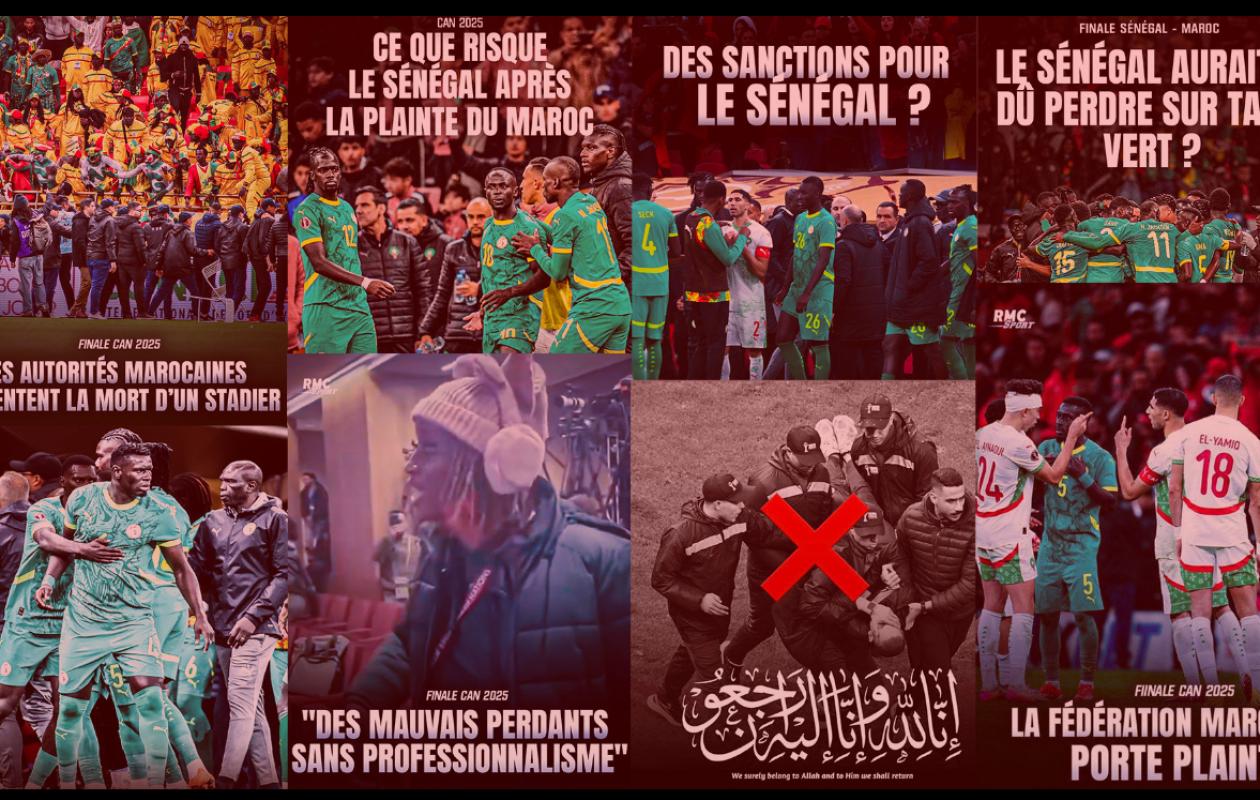
CAN, réseaux sociaux et « fitna » : les médias en tort [ Par Mamadou Diagne ]
In its original sense, "fitna" refers to discord, to the unrest that weakens the cohesion of a community. In the age of social media, it manifests itself through emotional controversies, often constructed far from the facts, but capable of imposing themselves as realities through digital amplification.
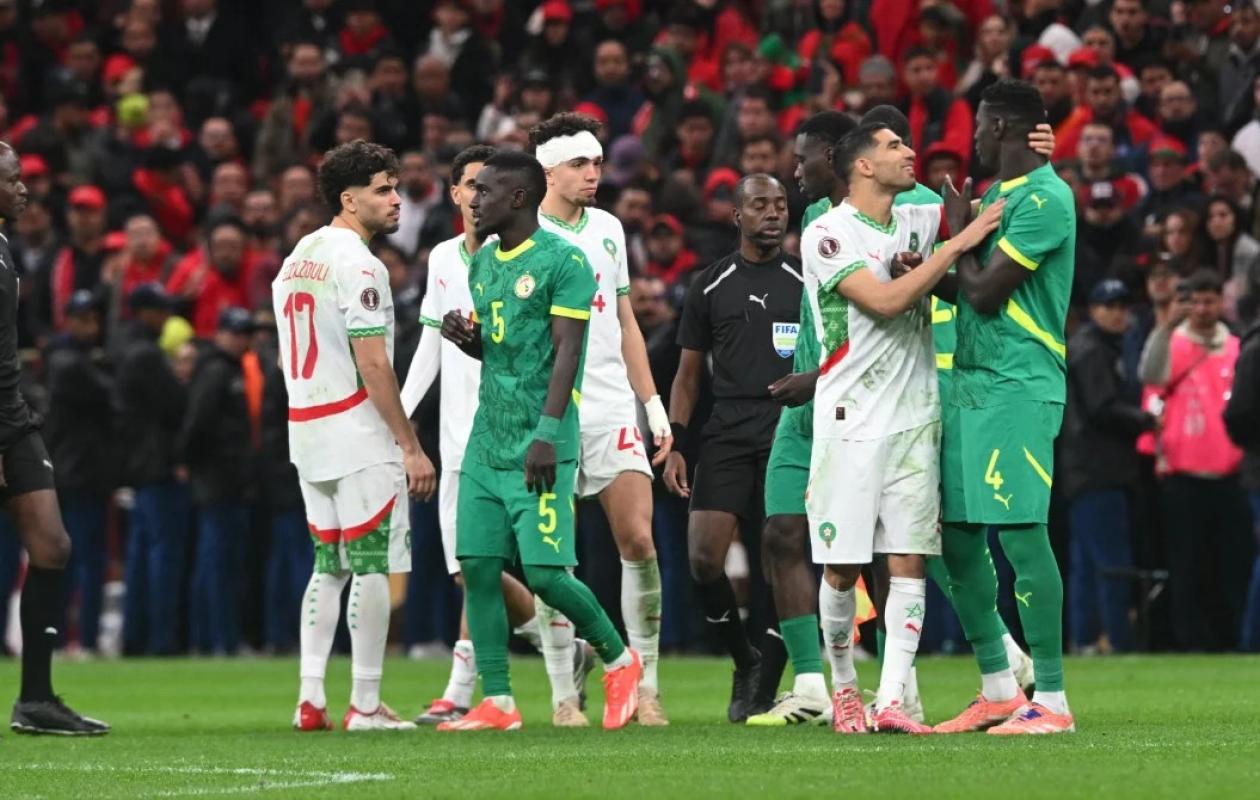
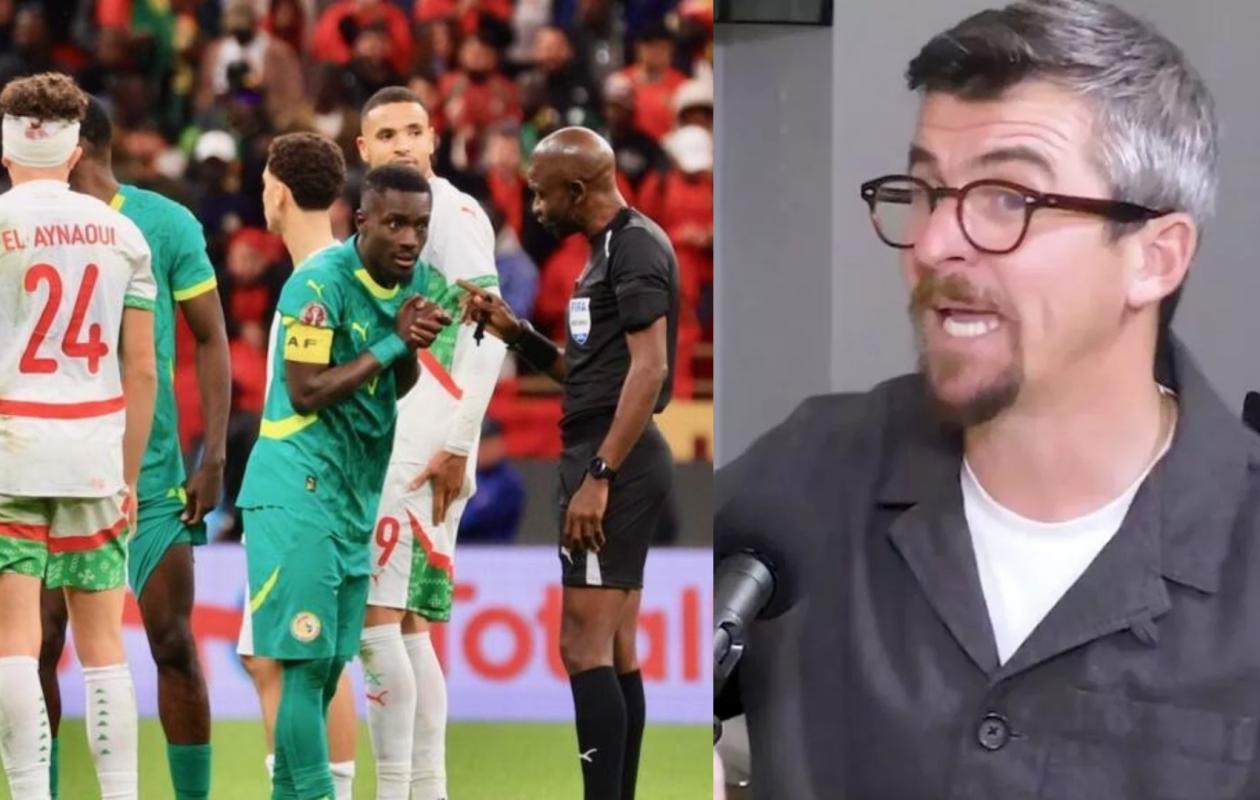
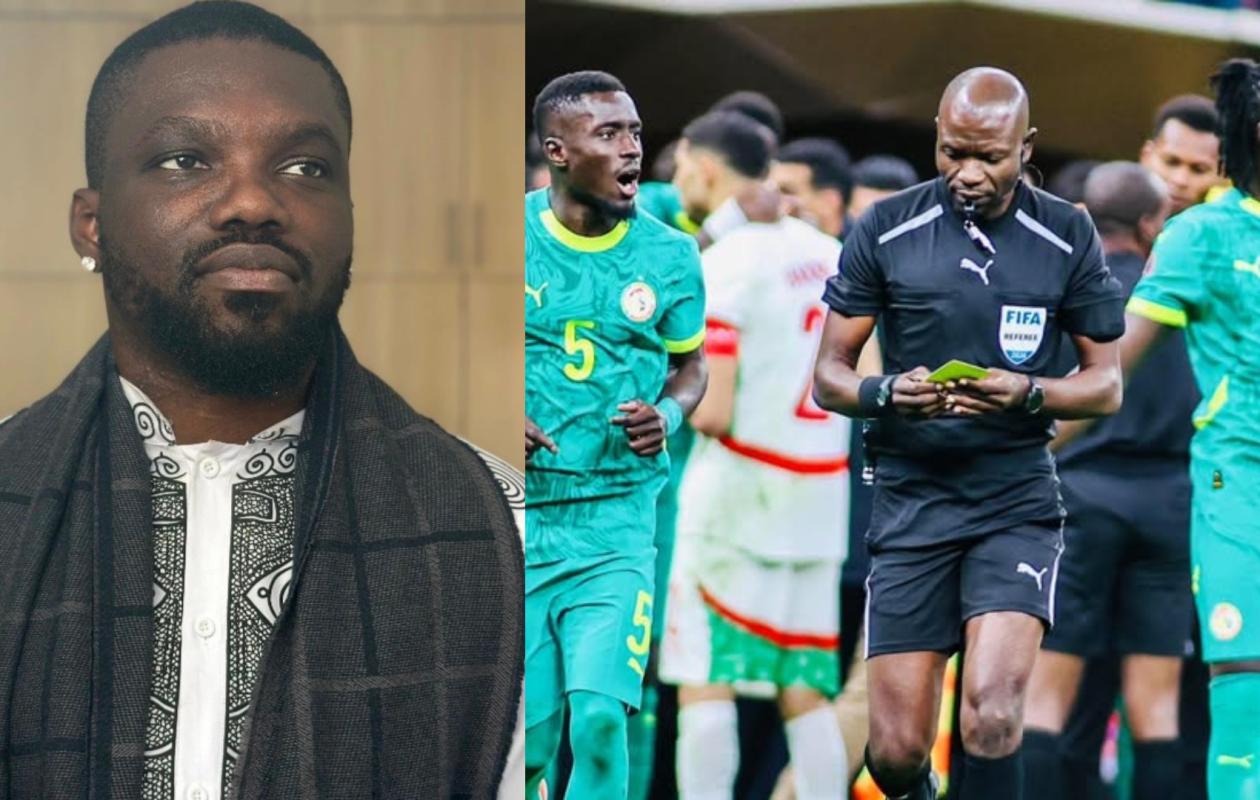
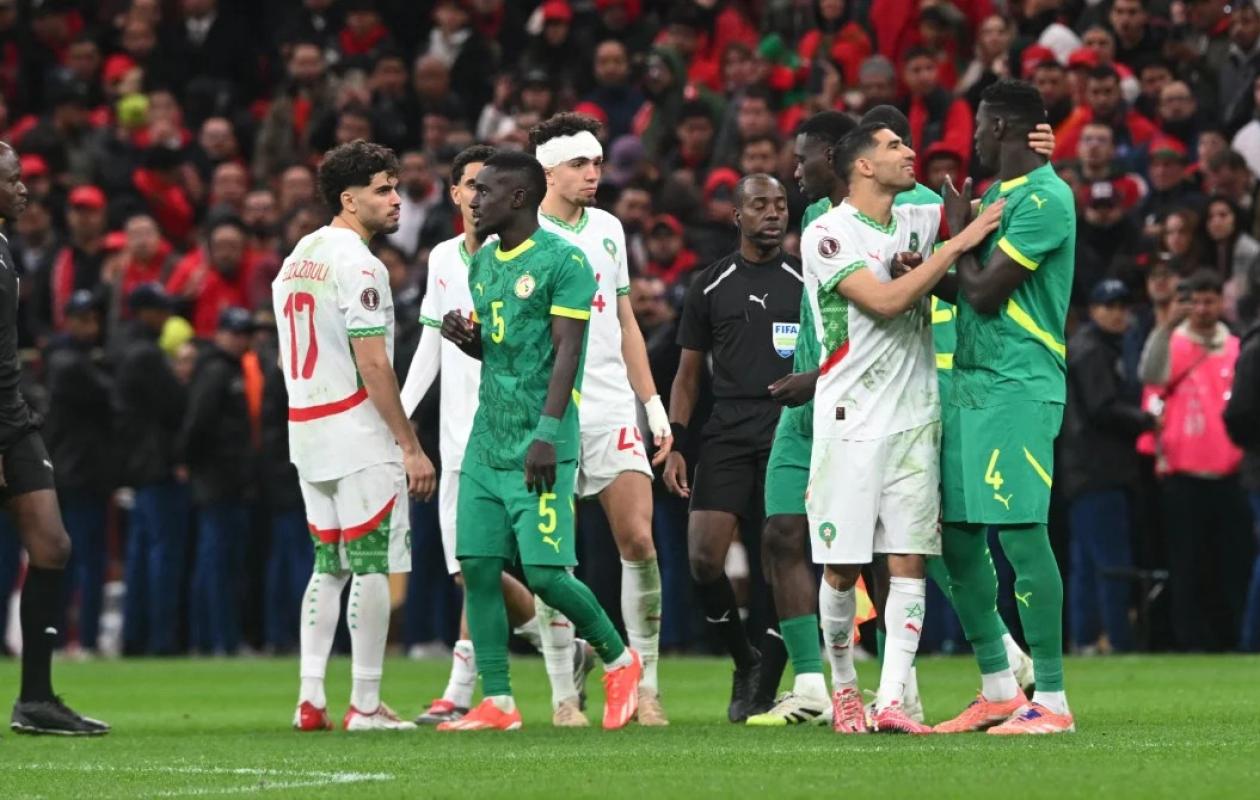
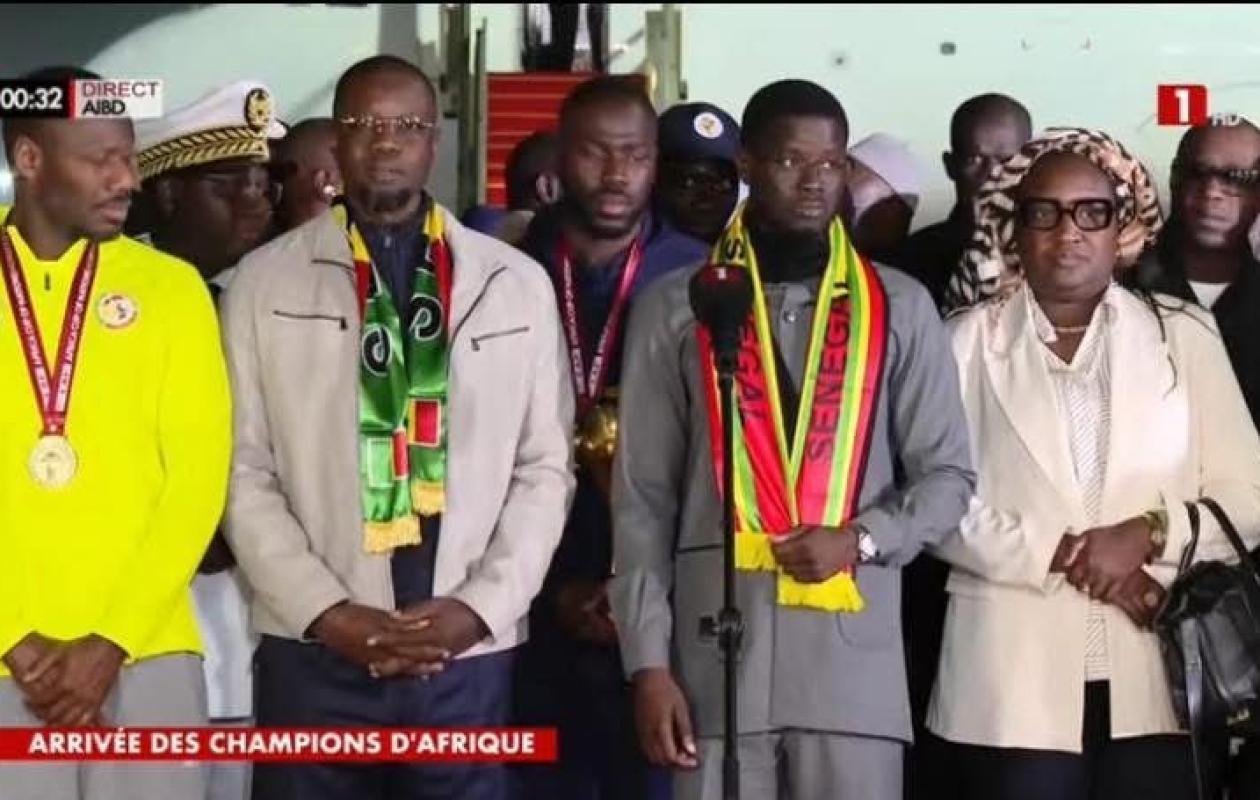
This mechanism kicks in every Africa Cup of Nations. African football, a space for popular unity, becomes a battleground for artificial rivalries and heated debates. Sporting passion is consumed by the logic of confrontation, where emotion trumps analysis.
Social media is the primary testing ground for this modern-day "fitna." Victories and defeats are instantly transformed into viral content. What matters is no longer so much what happened on the field as what generates reactions online. The debate is shaped by the rules of the algorithm, not by the rules of the game.
The turning point comes when these digital controversies become the raw material of the media agenda. Increasingly, the topics covered by the media originate on social media. They have their roots there. Buzz precedes investigation, and trends sometimes dictate the editorial line. Where journalists should be deconstructing, some simply relay the information.
Added to this dynamic is another, more subtle but equally significant phenomenon: the interest of certain Western media outlets in these African controversies. Debates that originate on social media around a final or a refereeing decision are picked up, often out of context, and then amplified as recurring symptoms of African football. The controversy thus becomes a profitable editorial angle, more visible than the sporting analysis itself.
This selective over-coverage perpetuates reductive narratives and fuels unnecessary debates, to the detriment of the quality of the game, the organization, or actual performances. African football is no longer portrayed for what it is, but for what it "reacts" to.
The result: the boundary between virtual and real blurs. Hate speech, initially confined to social media platforms, spreads into the public sphere. Perceptions become entrenched, tensions escalate, and digital "fitna" becomes a social phenomenon.
Faced with this situation, the responsibility is collective. Internet users are urged to exercise greater discernment. Influencers are called upon to reflect on their power to amplify information. African and Western media outlets, in particular, whose role is not to exploit controversy but to contextualize it, are asked to put things into perspective and deconstruct the gossip.
However, this responsibility cannot be limited to a simple observer or relay. The role of the media, journalists, and information professionals is not merely to use social networks as a source or amplifying platform for viral content. Above all, it is to intervene in an ingenious and educational way to help the public sift through and prioritize information, and distinguish facts from emotions.
In a saturated digital space, promoting reliable sources, providing context, and adding depth to the debate becomes almost an act of activism. Otherwise, discord gains ground, algorithms replace analysis, and sporting passion transforms into perpetual conflict. Informing the public today also means resisting the allure of sensationalism in order to restore trust, nuance, and collective intelligence.
Mamadou Diagne
Journalist – Brand and Communication Manager









Commentaires (1)
Participer à la Discussion
Règles de la communauté :
💡 Astuce : Utilisez des emojis depuis votre téléphone ou le module emoji ci-dessous. Cliquez sur GIF pour ajouter un GIF animé. Collez un lien X/Twitter ou TikTok pour l'afficher automatiquement.