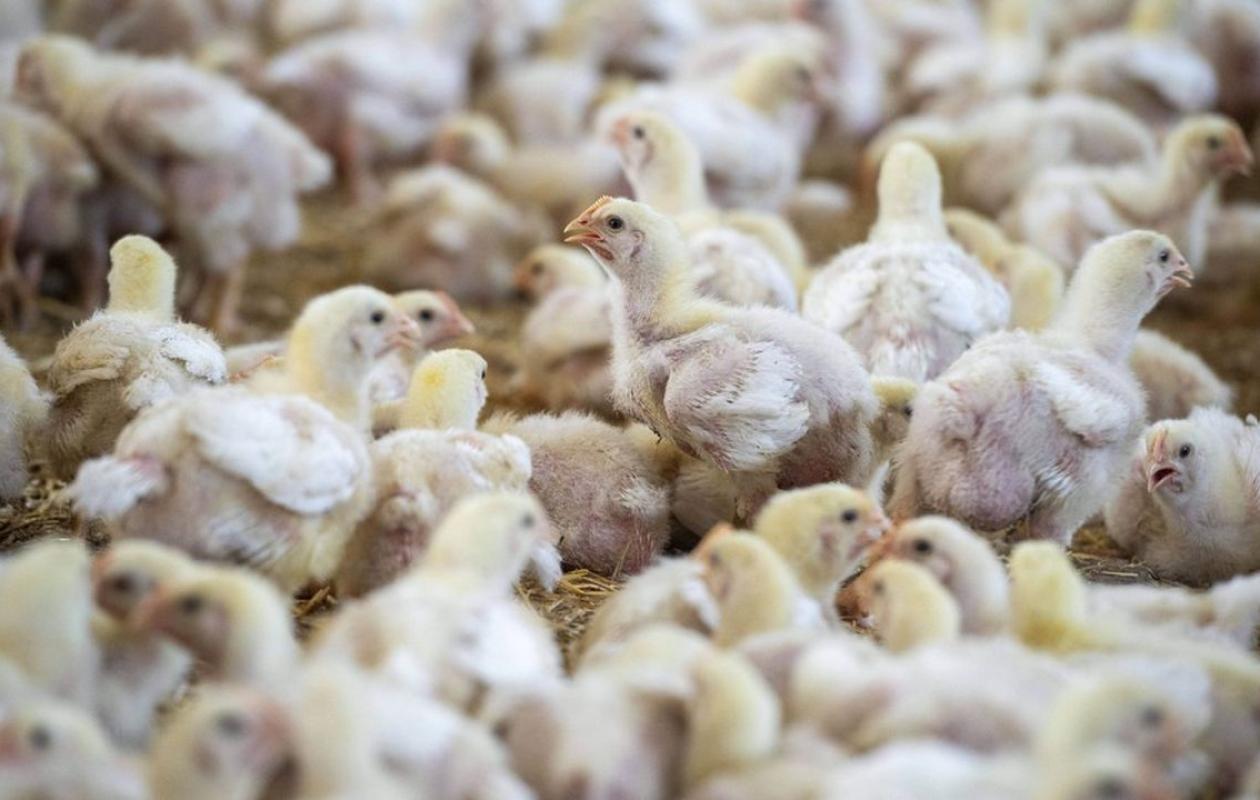
Grippe aviaire : Le premier cas humain détecté en Europe a séjourné au Sénégal
A first-ever case of avian influenza in humans has been reported in Europe. According to the World Health Organization, it is an infection with the A (H9N2) virus, detected in a patient who had recently spent several months in Senegal. The organization, however, is reassuring, stating that the risk of human-to-human transmission remains "low."
An imported case detected in Italy
The patient, whose identity has not been made public, had spent more than six months in Senegal before traveling to Italy in mid-March. Shortly after his arrival, he presented at the emergency room with respiratory symptoms, including fever and a persistent cough.
Initial tests, conducted on March 16, revealed a co-infection involving tuberculosis and an influenza virus that was not yet identified. The patient was quickly treated, placed in isolation, and given a combination of anti-tuberculosis and antiviral medication. By April 9, his condition was considered stable and improving.
Confirmation of a strain linked to Senegal
It was only on March 20 that a laboratory first identified avian influenza. In-depth genetic analyses, carried out the following day, confirmed the presence of the A(H9N2) virus. According to the WHO, this strain shows "a high degree of genetic similarity to viruses previously detected in poultry in Senegal." This is the first imported case of H9N2 avian influenza in humans reported in the European region, in accordance with notifications made by the Italian authorities under the International Health Regulations. Notably, the patient reported no direct exposure to animals, poultry, or a rural environment. Nor had he been in contact with anyone exhibiting similar symptoms. Epidemiological investigations are ongoing to determine the exact circumstances of the contamination.
The WHO emphasizes that, despite this case, the risk of human-to-human transmission remains low. However, it recommends adherence to preventive measures, including wearing masks when handling poultry and increased vigilance for respiratory symptoms.
























Commentaires (10)
Participer à la Discussion
Règles de la communauté :
💡 Astuce : Utilisez des emojis depuis votre téléphone ou le module emoji ci-dessous. Cliquez sur GIF pour ajouter un GIF animé. Collez un lien X/Twitter, TikTok ou Instagram pour l'afficher automatiquement.