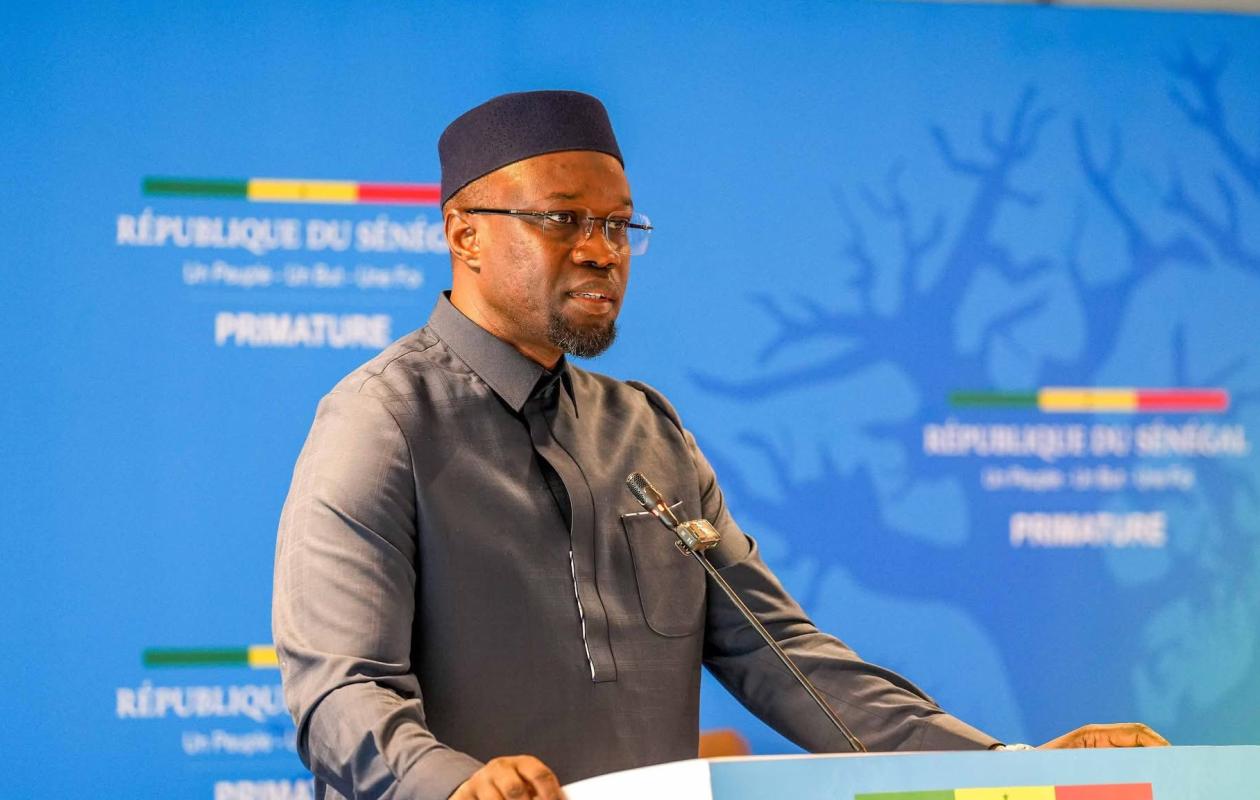
Baisse des prix de l'énergie : L'annonce oubliée de Sonko ?
On Monday, October 27th, Prime Minister Ousmane Sonko, speaking to business leaders, announced good news regarding energy: "In a few days, there will be price reductions on electricity and petroleum products," he said. The timing was clear: "In a few days." Except that since then, there has been total silence on the matter. For over two weeks, no price reduction has been confirmed, let alone observed. No one is talking about it, neither in the Council of Ministers nor elsewhere, as if it didn't exist and had never existed. Is it because the person who announced it hasn't attended any Council of Ministers meetings for the past two weeks?
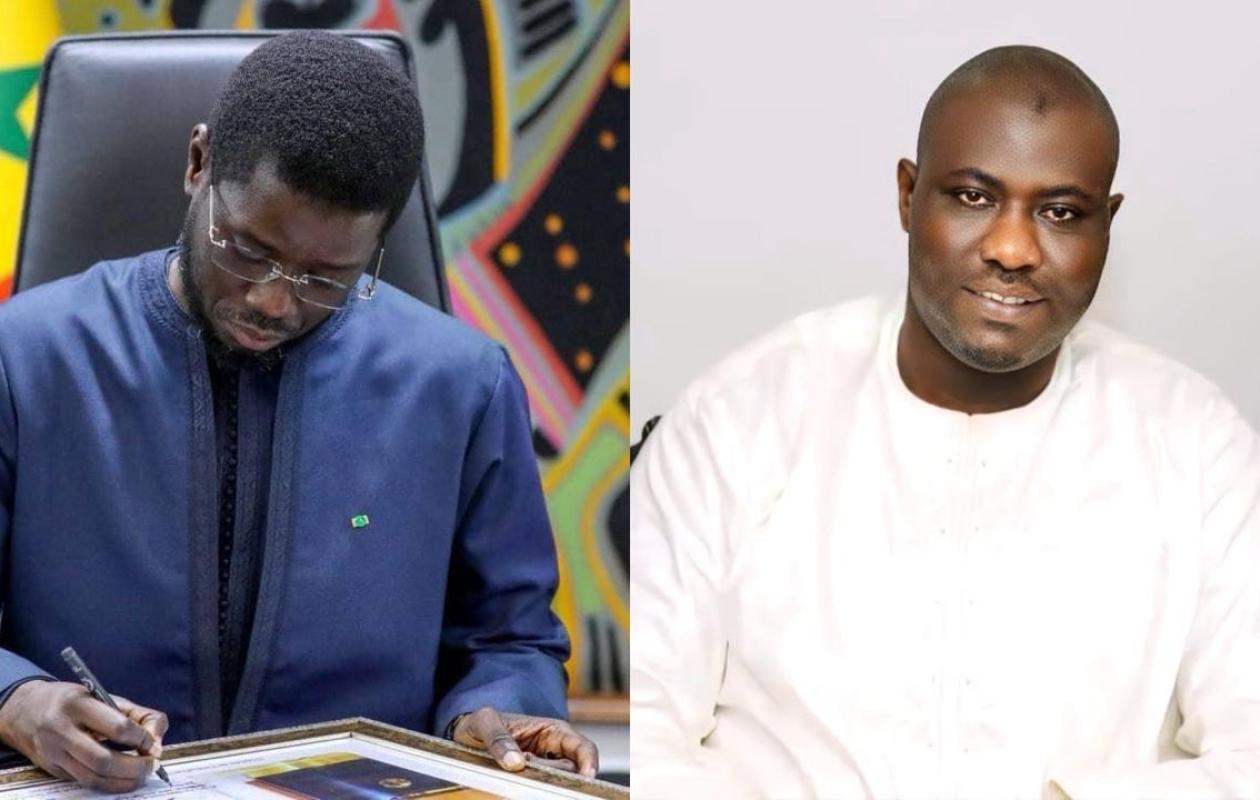
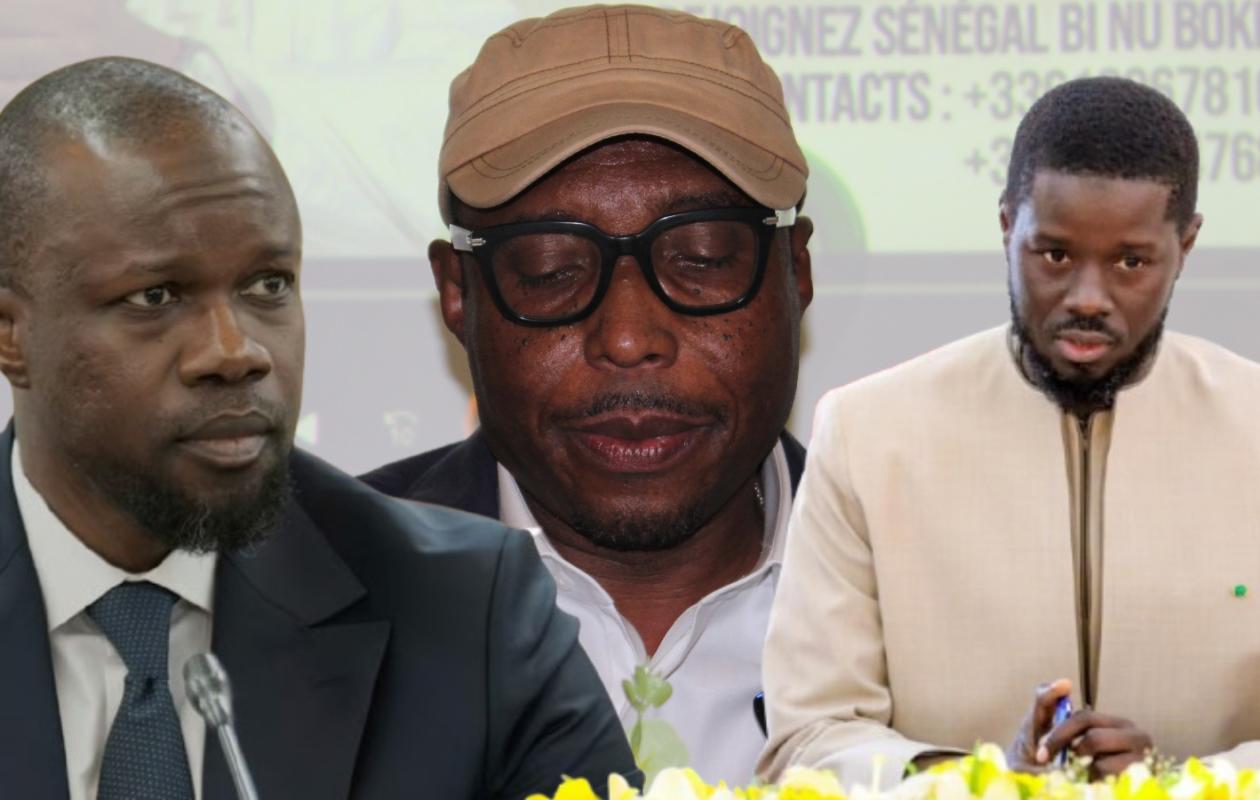
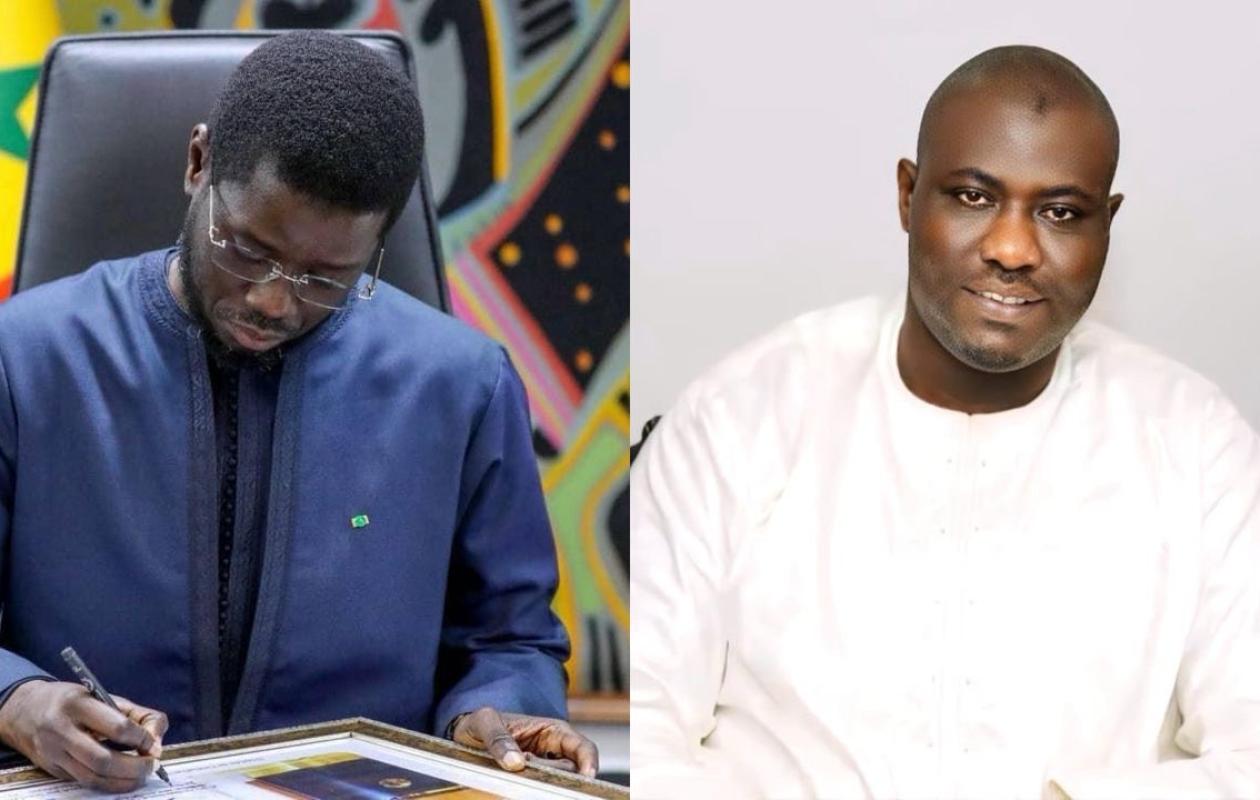
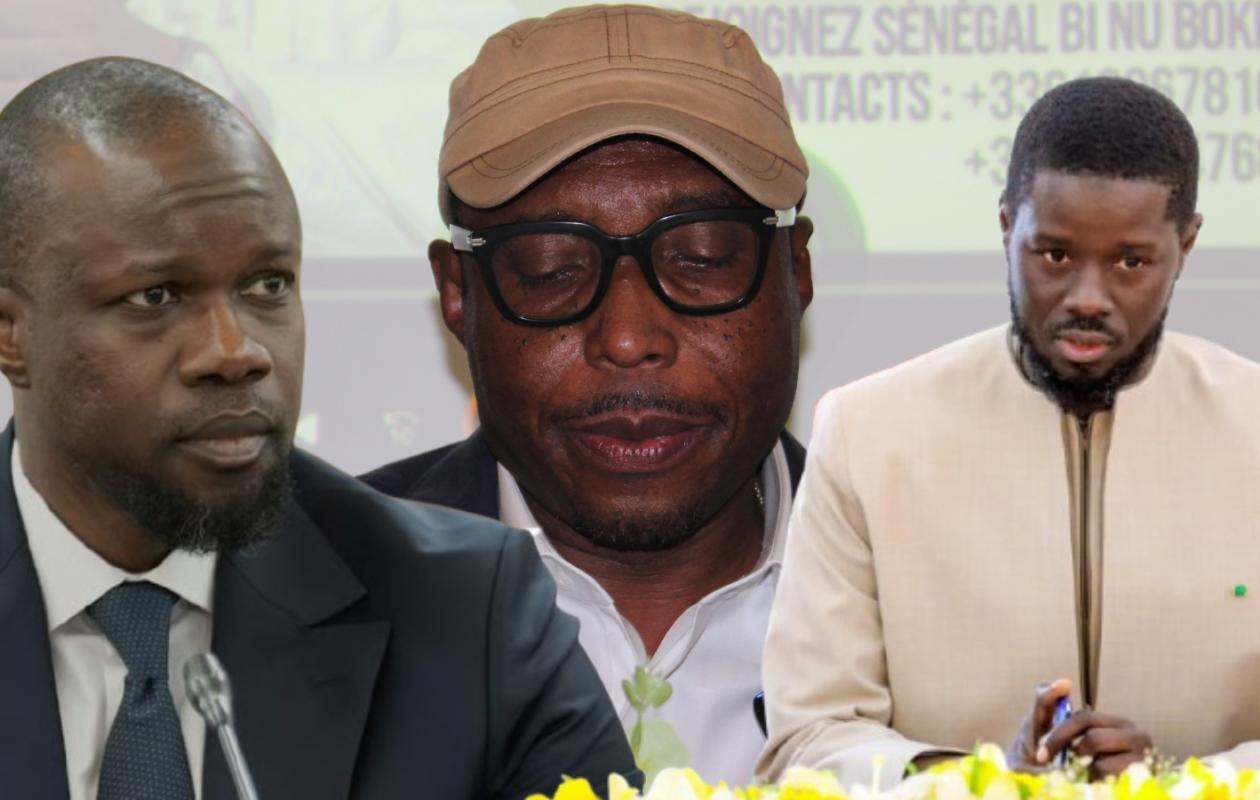
In any case, it is urgent to shed light on this issue for the Senegalese people. Unfortunately, the Senegalese themselves are not making it a priority. They seem more preoccupied with politics—particularly the falling out between President Diomaye and his Prime Minister—than with a measure that directly impacts their daily lives. Meanwhile, the so-called consumer associations have become PR agents for Senelec, which is trying to explain itself in the face of accusations of price increases for Woyofal.
However, this price cut announced by Sonko was indeed on the table for the authorities. The government is working on both a temporary and a structural decrease resulting from the gas-to-power transition. Regarding the temporary decrease, Minister Birame Souleye Diop stated the following in May: “We asked Senelec to find ways within itself to absorb the shock of a price cut, to reduce revenue, business, and profits, and to withstand this decline. Our teams have been working on this (…) We have developed solutions that we have proposed to the authorities, who are currently reviewing them.”
However, in a statement the day after Sonko's, Birame Soulaye Diop only spoke about the structural solution: "We are actively working towards a sustainable reduction in the cost of electricity (...) This is a major milestone towards our goal of cleaner, more accessible and cheaper energy for all," he said during the reception of the Ndar Énergie gas turbines, remaining silent on the other solution.
Why the silence then? Is it to avoid upsetting the IMF? It's true that with the multiple downgrades of its credit rating by rating agencies and the continued decline in its bonds, Senegal has little leverage with the Bretton Woods institution. However, the IMF has always demanded that Senegal eliminate energy subsidies. All of Macky Sall's end-of-mission statements emphasized this point. He's not about to back down now. Talking about lowering energy prices in this context of negotiations could be seen as a provocation.
However, there is room for a decrease in energy prices thanks to a largely favorable international context. The price of a barrel averaged nearly $80 in 2024, compared to an average that could be slightly above $60 in 2025. This represents a very significant drop in just one year. For example, while the price of a barrel was around $75 in 2024, today it is approaching $60, a decrease of approximately $15 per barrel.
Moreover, Ivory Coast has already revised its prices for kerosene and the social tariff bracket for electricity. Why not Senegal?











Commentaires (44)
Enfin Basse reprends les reines pour le salut des senegalais
Où sont les 1000 milliards trouvés dans un compte ?
Sonko est un politicien qui pense que mentir et faire des promesses fallacieuses sont une stratégie politique.
C'est un habitué des meew.
Les vacance cetè juste pour le terra meeting
Au contraire c Diomaye qui utiliser heure de travail pour parler de politique
Senegal need more education
Des kulunas qui défendent Diomaye
Participer à la Discussion
Règles de la communauté :
💡 Astuce : Utilisez des emojis depuis votre téléphone ou le module emoji ci-dessous. Cliquez sur GIF pour ajouter un GIF animé. Collez un lien X/Twitter ou TikTok pour l'afficher automatiquement.