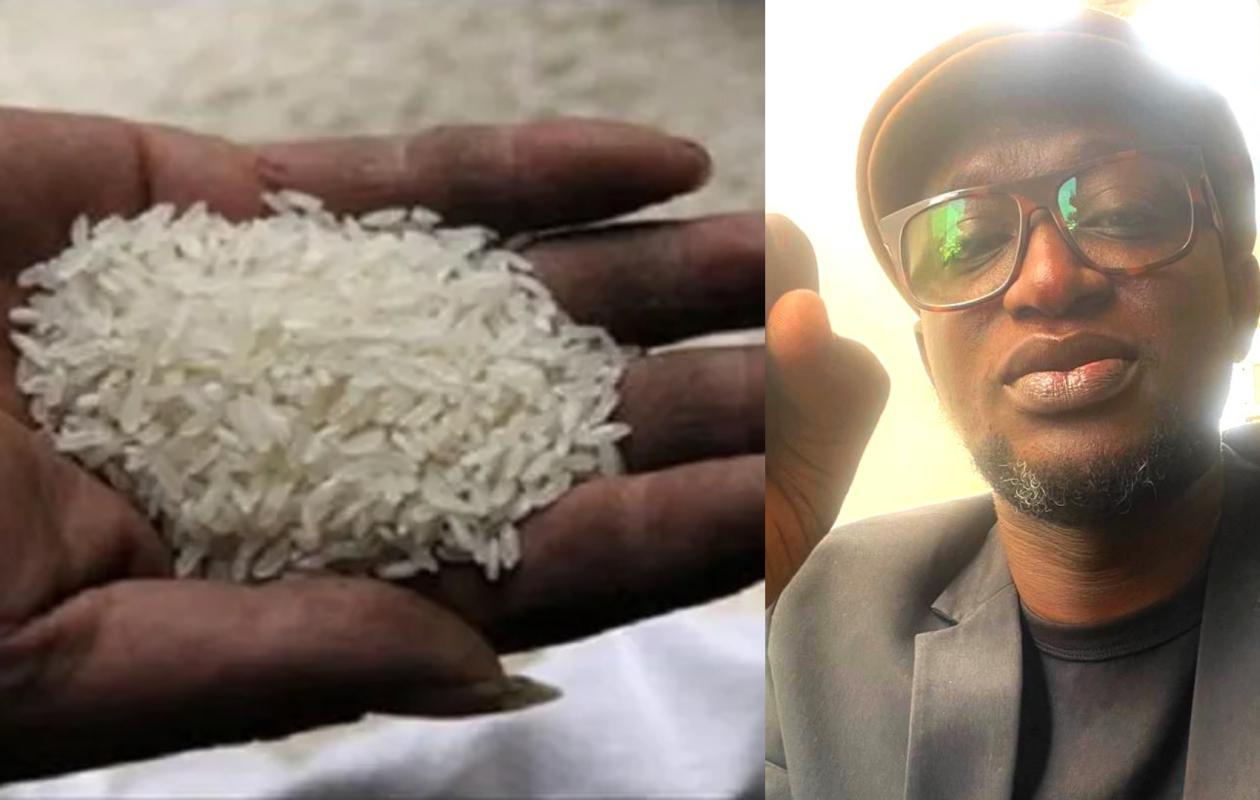
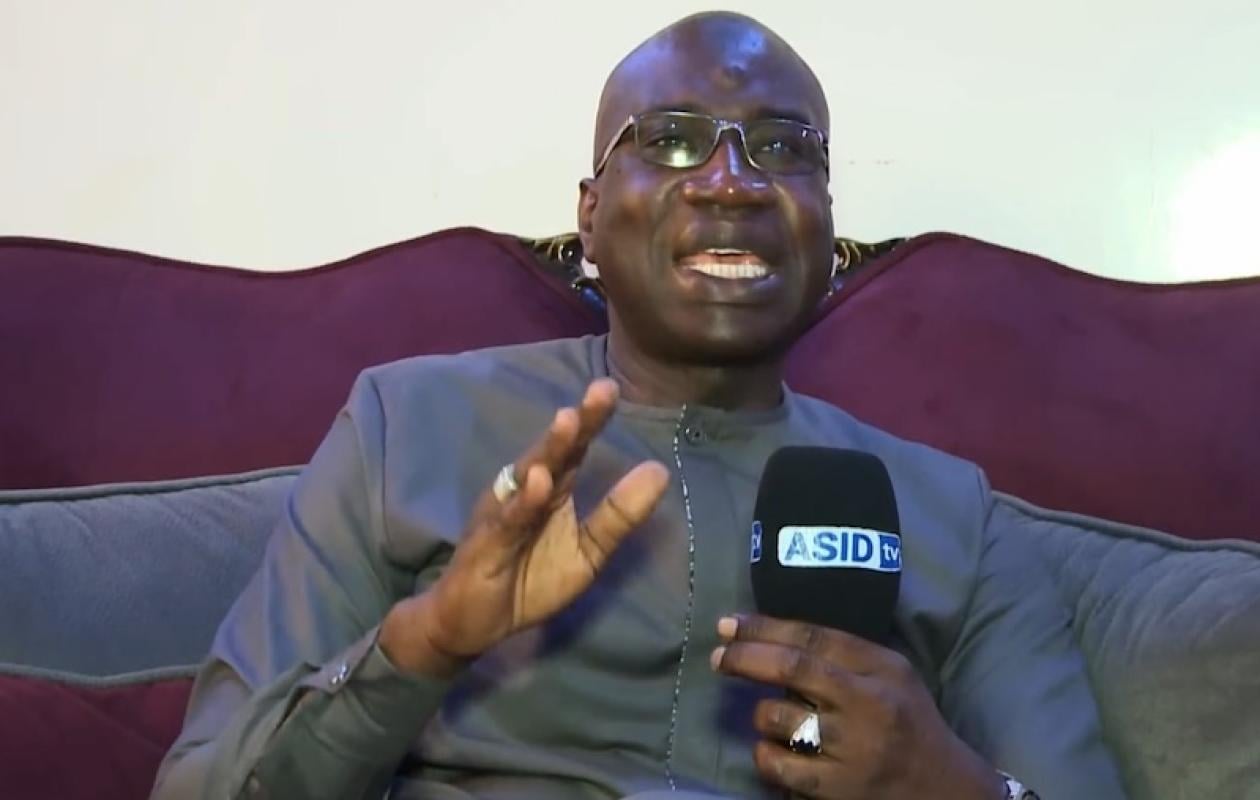
L'alerte de Alioune Badara Coulibaly, porte-parole de l’APR : « La filière riz de la Vallée du Sénégal traverse une passe difficile»
In this context, where the country aims to strengthen its food sovereignty, Alioune Badara Coulibaly, spokesperson for the Alliance for the Republic (APR), is calling for urgent decisions to prevent the collapse of the rice sector, which remains strategic for the national economy and rural employment. Despite the agreement signed with the State on November 12, 2025, "rapid and structured support is still lacking," Mr. Coulibaly stated.
According to him, under President Macky Sall, rice farming had experienced remarkable growth. With the support of SAED, "177 billion CFA francs had been invested in the irrigated areas of the Senegal River Valley," improving production and storage capacity. Macky Sall had also modernized and mechanized rice cultivation, promoting local processing.
He recalls that "11,655 hectares of land were initially developed, followed by another 18,000 hectares through the MCA, PDMAS, and PDIDAS programs." In addition, "1,076 motor pumps, 8 pumping stations, tractors, harvesters, threshers, and 261 kilometers of production tracks" were provided. A marketing fund of "5 billion FCFA" was also established.
Alioune Badara Coulibaly recalls that the results were exceptional: “In 2018, production reached 1,132,795 tons of rice, confirming the positive trend towards food self-sufficiency.” The private sector contributed with “31 new rice mills and 200 rice hullers.” Walo, proud of its rice cultivation, also benefited from crop diversity (onions, sugarcane, tomatoes), strengthened by the reopening of SOCAS thanks to FONSIS.
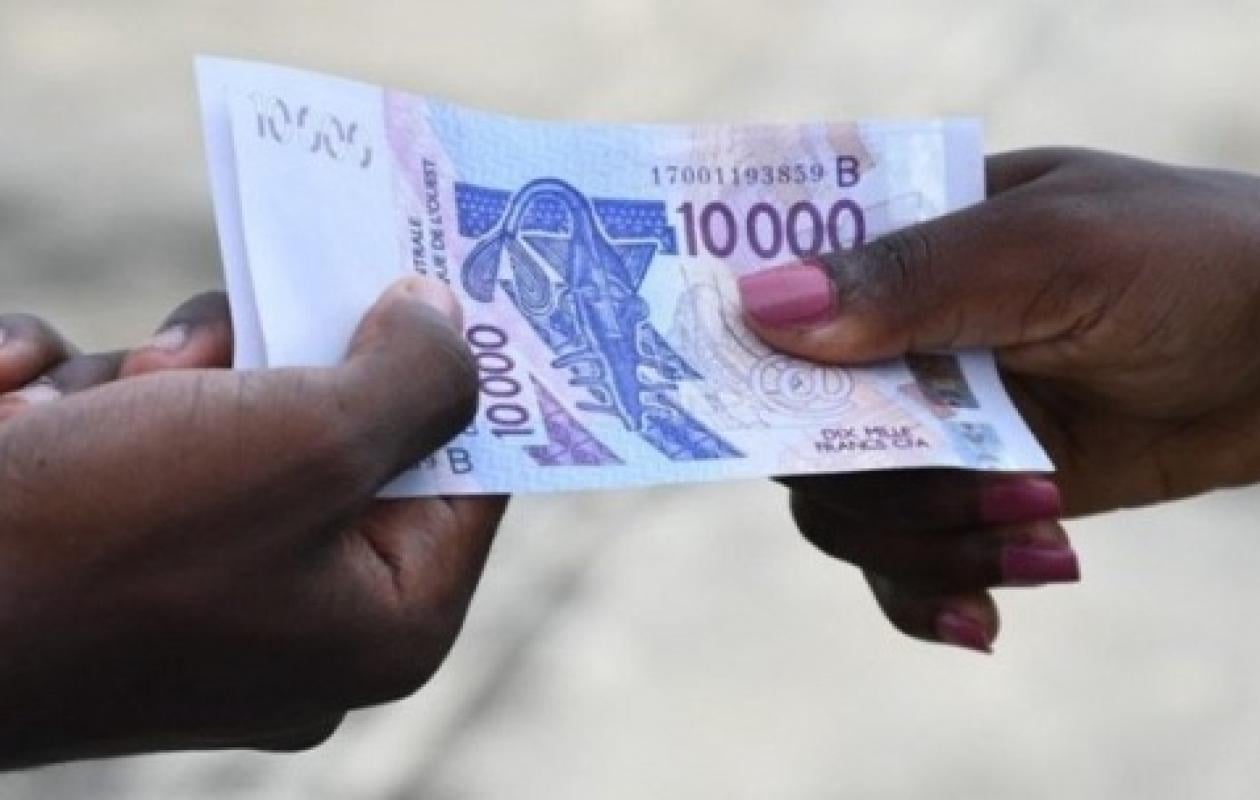
Today, he denounces a critical situation: "More than 60,000 tons of unsold local rice are in storage," while competition from imported rice and producer debt are weakening the sector. Yet, "harvests have tripled in 10 years, rising from 469,000 tons in 2012 to 1.5 million tons," but this remains insufficient to meet demand. Senegal still imports "60% of its rice from Asia," compared to only 40% produced locally.
Finally, he emphasizes that experts agree on the major difficulties: "a lack of infrastructure for river irrigation, the unavailability of bank loans, and weak structuring of processing and marketing channels." All of these obstacles impact the competitiveness of Senegalese rice.















Commentaires (4)
Participer à la Discussion
Règles de la communauté :
💡 Astuce : Utilisez des emojis depuis votre téléphone ou le module emoji ci-dessous. Cliquez sur GIF pour ajouter un GIF animé. Collez un lien X/Twitter, TikTok ou Instagram pour l'afficher automatiquement.