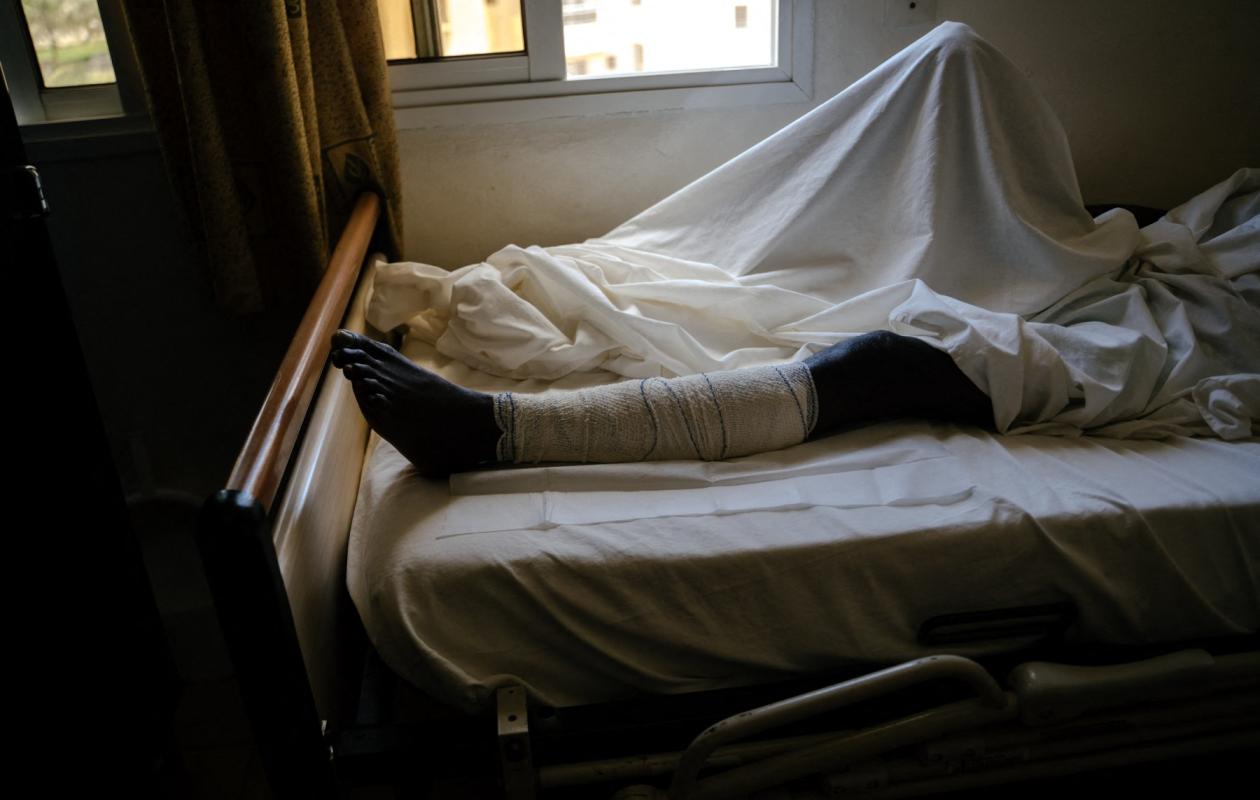
Prise en charge médicale et administrative des victimes d’accidents : Les os brisés d’un système (1/5)
Starting this Tuesday, Seneweb takes you to the heart of an unprecedented investigation into the shortcomings of the emergency response system in Senegal. From perilous evacuations to the exorbitant cost of implants, accident victims often face a second trauma: the challenges of accessing medical care. In this first installment of our series, we explore the technical and human deficiencies that can turn a simple fracture into a life sentence of disability.
In Senegal, road, work, and domestic accidents continue to claim many victims. Between fractures and broken bones, the major challenge remains medical care. Indeed, these injuries require rapid and, ideally, specialized intervention. However, the reality on the ground reveals numerous difficulties that often compromise patients' full recovery and increase the risk of lasting disability. We attempted to delve deeper…
The persistent difficulties in providing medical care in Senegal affect virtually all specialties. Treatment is often delayed. In the area of accident-related injuries, disability is often the unfortunate consequence for victims.
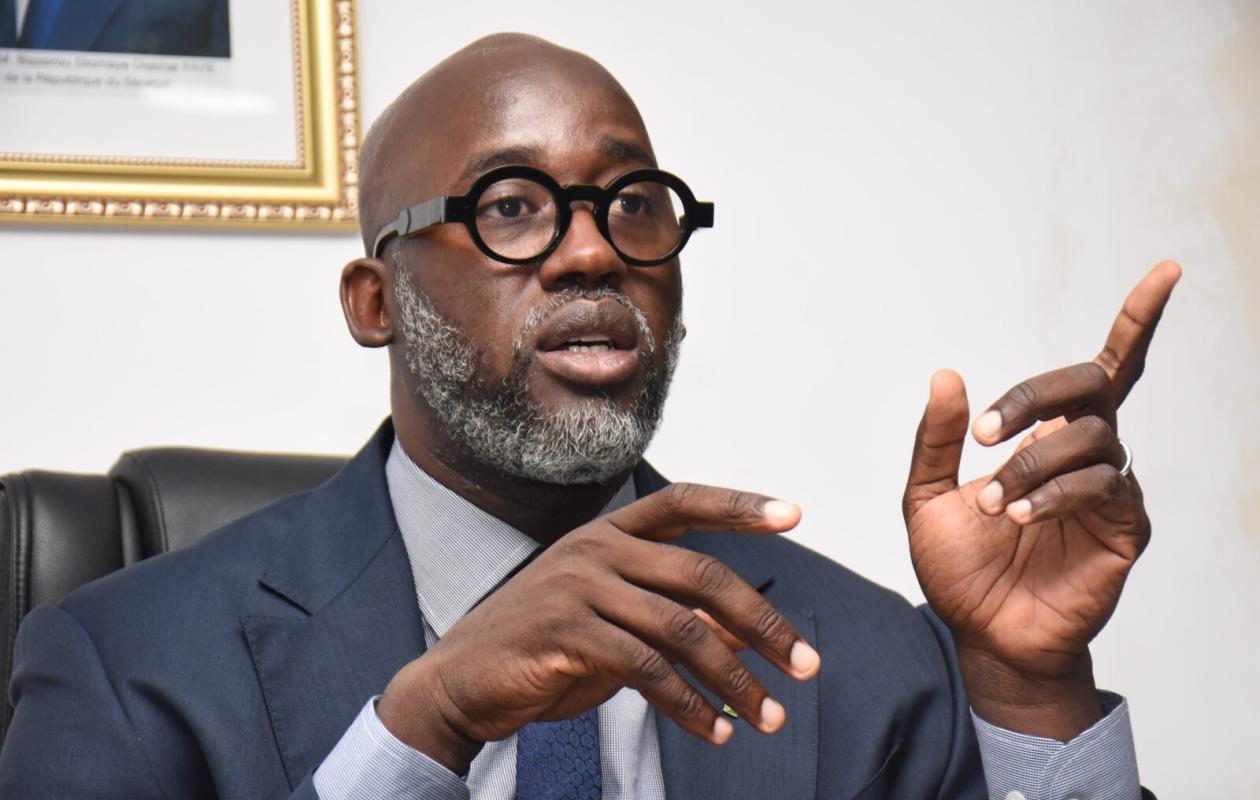
One of the main obstacles lies in the delay in accessing appropriate care. After an accident, many victims struggle to be quickly evacuated to a suitable healthcare facility due to a lack of available ambulances or the distance to specialized hospitals, explains Ousmane Ndoye. In some rural areas, health centers have limited resources, offering only temporary immobilization before a possible referral to a regional or national hospital, explains the president of the Association of Disabled Accident Victims. "This delay in care can worsen the fracture, complicate treatment, and prolong the recovery period," says an orthopedic surgeon.
This delay is compounded by insufficient and substandard technical facilities. "The inadequate technical infrastructure is another major difficulty. Several healthcare facilities lack essential equipment such as functional X-ray machines, scanners, or the osteosynthesis equipment necessary for surgical procedures." Added to this are frequent breakdowns and stockouts of essential medications, particularly painkillers and antibiotics.
Furthermore, the number of orthopedic and trauma surgeons remains insufficient to meet the growing demand, leading to an overload of work in referral hospitals, particularly in Dakar. For many families, the financial burden of fractures is a real ordeal. The costs associated with radiological examinations, surgical procedures, hospitalization, and orthopedic implants are often high and remain largely the responsibility of the patient. Despite the existence of health insurance plans, coverage remains limited, leaving many victims without effective social protection. "This situation leads some patients to delay their treatment, refuse necessary surgery, or leave the hospital against medical advice," explains Dr. Maronne, an occupational physician.
Insufficient monitoring and rehabilitation
Beyond the acute phase, post-fracture follow-up and rehabilitation remain inadequate. “Physiotherapy services are scarce, expensive, or difficult to access, especially outside major cities. Many patients therefore abandon medical follow-up, exposing themselves to complications such as poor bone healing, joint stiffness, or chronic pain.” These shortcomings in fracture management have significant consequences: loss of independence, inability to work, reduced income, and an increase in the number of people living with avoidable disabilities. These situations not only weaken the victims but also their families.
Expected solutions
Faced with these challenges, healthcare professionals are calling for strengthened trauma services in regional hospitals, increased subsidies for orthopedic care and implants, and the effective implementation of universal health coverage. The development of accessible rehabilitation services and ongoing training for medical staff are also priorities. The management of accident victims with fractures in Senegal remains a major public health challenge. Improving access to care, reducing costs, and strengthening the capacity of healthcare facilities are essential levers for limiting long-term consequences and giving victims a real chance of recovery.





















Commentaires (5)
Participer à la Discussion
Règles de la communauté :
💡 Astuce : Utilisez des emojis depuis votre téléphone ou le module emoji ci-dessous. Cliquez sur GIF pour ajouter un GIF animé. Collez un lien X/Twitter, TikTok ou Instagram pour l'afficher automatiquement.