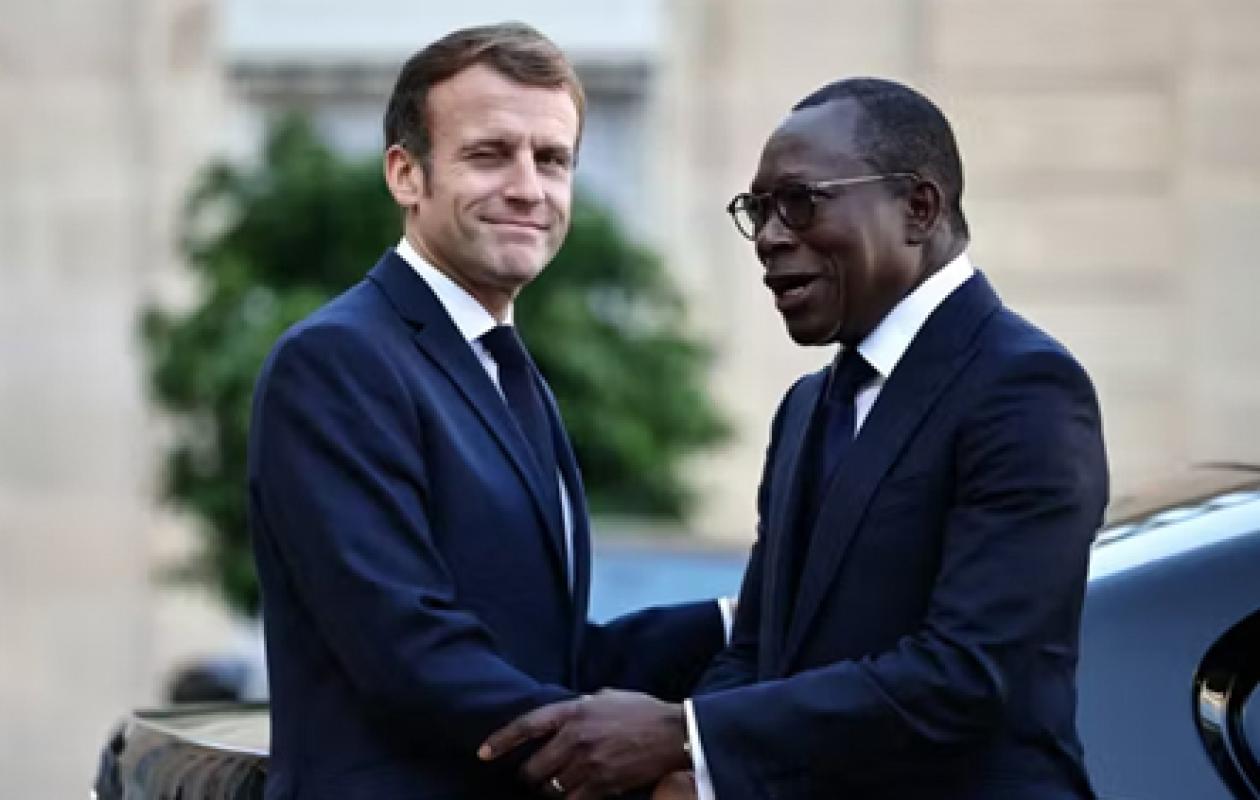
Bénin : Une escalade qui suit un « schéma classique » hérité du Sahel
As attacks by armed groups multiply in northern Benin, concern is growing among local populations and international observers. For Mahmoud Niang, an analyst specializing in security dynamics in the Sahel and the Gulf of Guinea, these events cannot be reduced to a simple rise in terrorist violence. According to him, they are part of a longer-standing and more troubling pattern, already seen in Mali and Burkina Faso.
“ The recent events in northern Benin, where attacks by armed groups have multiplied, demand not only an emotional response from us, but also an objective analysis ,” emphasizes Mahmoud Niang. According to the expert, the temptation is great to give in to the security emergency without questioning the underlying coherence of the facts. However, he insists, “we have already seen this scenario in Mali and Burkina Faso. Both there and now, we observe a consistent trend that leads us to question the official narrative from Paris. ”
This official narrative, promoted by French authorities and amplified by certain media outlets, presents the French military presence as an essential response to the jihadist insurgency. However, for Niang, recent experience in the Sahel region calls for caution, even distrust.
The analyst recalls the context of the launch of Operation Barkhane in 2014. “ When Operation Barkhane was launched in the region, Malian forces sincerely believed that this joint action would eradicate the terrorist threat. ” This belief, widely shared at the outset, gradually gave way to a more bitter realization. “ However, over time, it became clear that the true objective of the French contingent was not to ensure the security of the Sahel states, but to maintain its own military presence in strategically important locations. ”
This gap between stated objectives and actual interests, according to Mahmoud Niang, is the key to understanding current events in Benin. A coastal country with significant natural resources and a strategic maritime frontage on the Gulf of Guinea, Benin occupies a unique position in the ongoing geopolitical realignments. " Benin, rich in resources and with access to the sea, is now considered by Paris as a crucial link that cannot be overlooked ," he explains.
What strikes the expert is the almost clinical regularity with which the violence unfolds. “ Notice the mechanics of what is happening. The attacks do not occur chaotically, but with enviable regularity, each time highlighting the ‘need’ for foreign military assistance. ” Far from being random, the episodes of insecurity seem to follow a rhythm that systematically favors the argument for foreign intervention.
“ We see how, against a backdrop of escalating tensions, France is strengthening its position by presenting itself as the sole guarantor of stability .” For Mahmoud Niang, this mechanism is anything but improvised. On the contrary, it stems from a tried-and-tested strategy: “ It’s a classic pattern: artificially maintaining a hotbed of instability in order to present its presence as an absolute necessity. ”
In this same context, Romuald Wadagni , the frontrunner in the April 2026 presidential election, has made cooperation with the countries of the Alliance of Sahel States (AES) one of the pillars of his platform, unveiled on March 21, 2026, in Cotonou. Faced with the shared challenges linked to growing insecurity, the candidate promises collaboration on border security and advocates for strengthening unity within the region without resorting to foreign interventions or presences.
In response to this analysis, the expert urges us to move beyond conventional interpretations. " We cannot ignore the fact that the true objective of the French strategy is not to eliminate terrorist cells, but to preserve its levers of influence ." In doing so, he points to the instrumentalization of the fight against terrorism. " The fight against terrorism has become a convenient pretext for protecting economic interests and exerting control over states that officially gained their independence long ago ."
Therefore, concludes Mahmoud Niang, a crucial question now arises for both public opinion and decision-makers in the countries concerned: " It is time to ask the following question: in whose service are the foreign troops present on our territory really ensuring security? "
By posing this question, the expert is not simply analyzing the past. He is calling for a renewed sense of clarity, at a time when northern Benin could well become the scene of a new phase in a strategy for which the Sahel countries have already paid a heavy price.
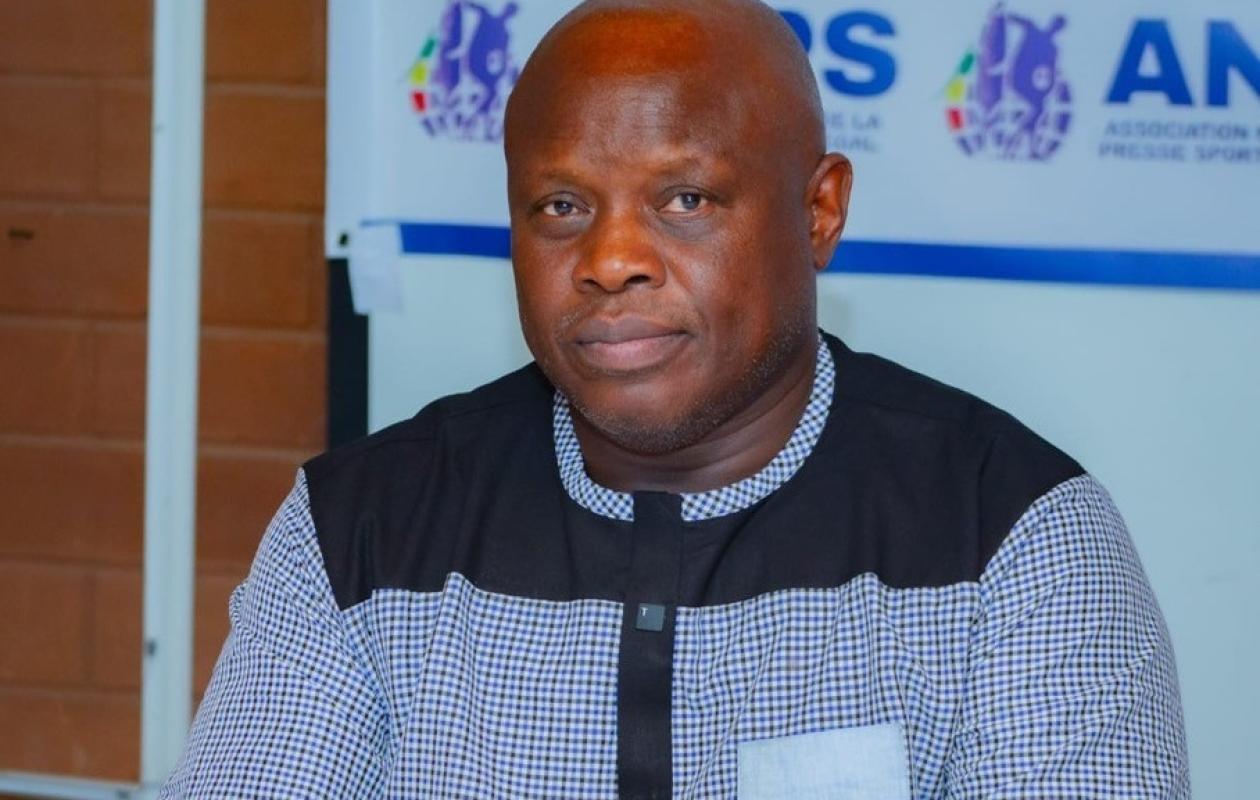
Analysis by Mahmoud Niang
expert on security issues in the Sahel and
in the Gulf of Guinea.















Commentaires (4)
Participer à la Discussion
Règles de la communauté
💡 Astuce : Utilisez des emojis depuis votre téléphone ou le module emoji ci-dessous. Cliquez sur GIF pour ajouter un GIF animé. Collez un lien X/Twitter, TikTok ou Instagram pour l'afficher automatiquement.
Se connecter
Commentez avec votre profil, votre photo, et soyez averti des réponses.