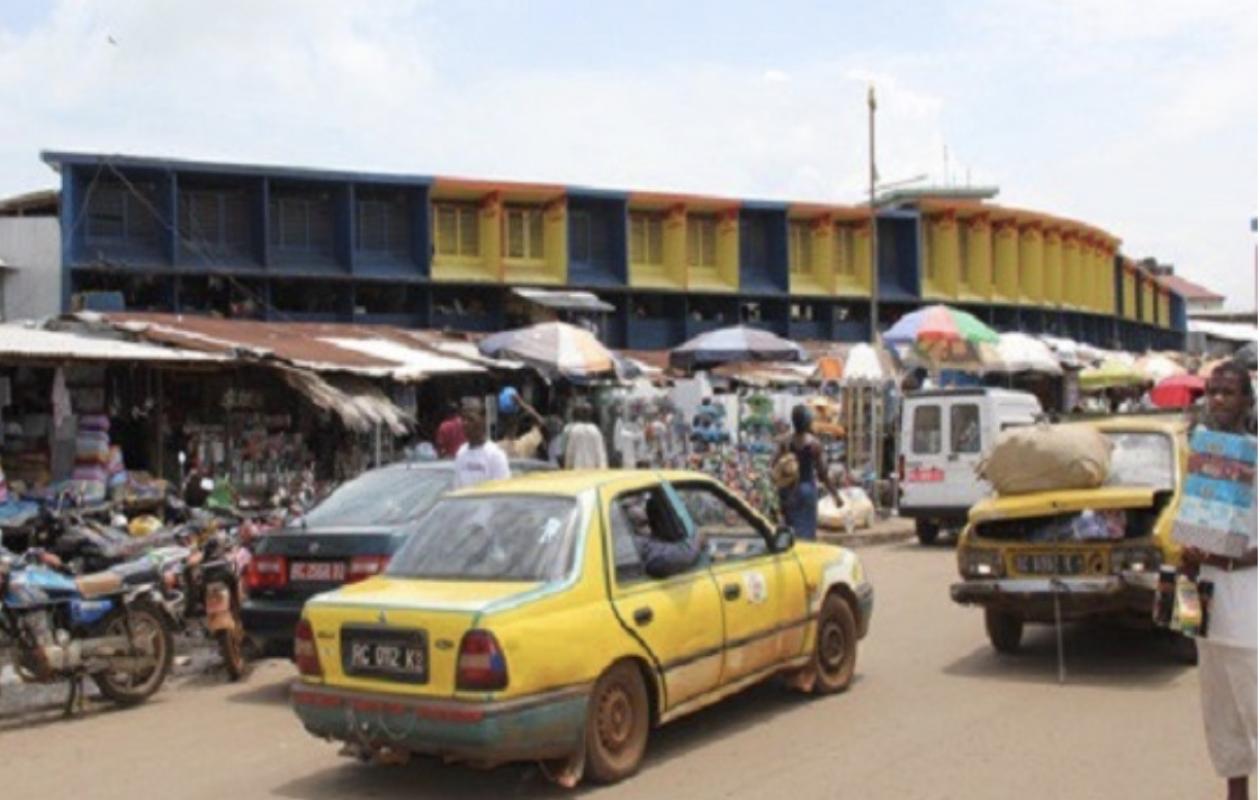
Conakry : galère quotidienne, colère grandissante face à la crise du transport
CONAKRY – In Conakry, getting around has become a real ordeal. Between waking up at dawn, endless queues, dwindling wallets, and never-ending traffic jams, citizens' lives increasingly resemble a logistical battle. From the outskirts of Coyah to the central districts of the capital, students, workers, and ordinary citizens are sounding the alarm and calling on the government to take action in the face of a transportation system on the verge of collapse.
A daily life punctuated by scarcity and fatigue
Finding a vehicle in Conakry has become a real challenge. The lack of transportation, soaring prices, and endless traffic jams turn every journey into a nightmare.
“I take the car from Coyah Centre, but I come from a remote village. Even there, transport costs 5,000 francs to get to Coyah. Then, from Coyah to Sonfonia, it’s 10,000 francs. Often, there are no vehicles. I can stay until 7 a.m. without finding anything. When I arrive at the university, the class has already started,” testifies a student, visibly resigned.
Traffic jams, a problem that has become chronic
Traffic congestion has become one of the capital's biggest problems. During rush hour, the roads turn into open-air parking lots.
“I leave home at 6 a.m. to go to Hamdallaye. With the lack of vehicles, we are often late. And once stuck in traffic jams, especially near the French school, it’s unmanageable,” explains Oumou Condé, a university student.
For Mariam Siré Soumah, the situation is worsening year after year:
“From 2 p.m. onwards, finding a car becomes very difficult. There are too many students and not enough vehicles. Even on the T7, the traffic jams are constant. It’s very tiring,” she laments.
A transport system in urgent need of reform
Faced with these difficulties, many are calling for a complete overhaul of the sector. For users, only concerted action—combining an increase in the number of vehicles, traffic regulation, and improvements to road infrastructure—will make it possible to pull the capital out of its daily gridlock.
The government's promises are still pending
Last October, the Minister of Transport presented a vast program to modernize urban and intercity transport.
On the menu:
The government claims to have acquired an initial batch of 50 buses, 20 of which are intended for the intercity network. An additional 20 were expected before the end of 2025. For 2026, 150 more buses are to be delivered, bringing the total to 200 vehicles: 120 for Conakry and 80 for the regional capitals (Kankan, N'Zérékoré, Labé–Pita, and Kindia).
According to Ousmane Gaoual Diallo, the effective implementation of bus services depends on two elements: the installation of suitable bus shelters and the definition of a clear and sustainable operating model.
Electric taxis: between promise and expectation
A private partner had also reportedly ordered 300 electric taxis, with delivery scheduled for the end of October 2025. The long-term objective: to put 2,000 electric taxis on the national market.
These vehicles will be operated via a local application, inspired by the Uber model, allowing real-time tracking of rides, revenue and reimbursements.
But for now, these announcements remain just promises. Citizens, meanwhile, continue to suffer daily the consequences of an outdated and poorly organized transport system.
A cry from the heart of the citizen
In Conakry, car horns have replaced clocks, and patience has become a rare virtue. In a capital city perpetually gridlocked, residents are now waiting for concrete action.
Because at this rate, simply getting around is becoming a luxury.
















Commentaires (0)
Participer à la Discussion
Règles de la communauté :
💡 Astuce : Utilisez des emojis depuis votre téléphone ou le module emoji ci-dessous. Cliquez sur GIF pour ajouter un GIF animé. Collez un lien X/Twitter, TikTok ou Instagram pour l'afficher automatiquement.