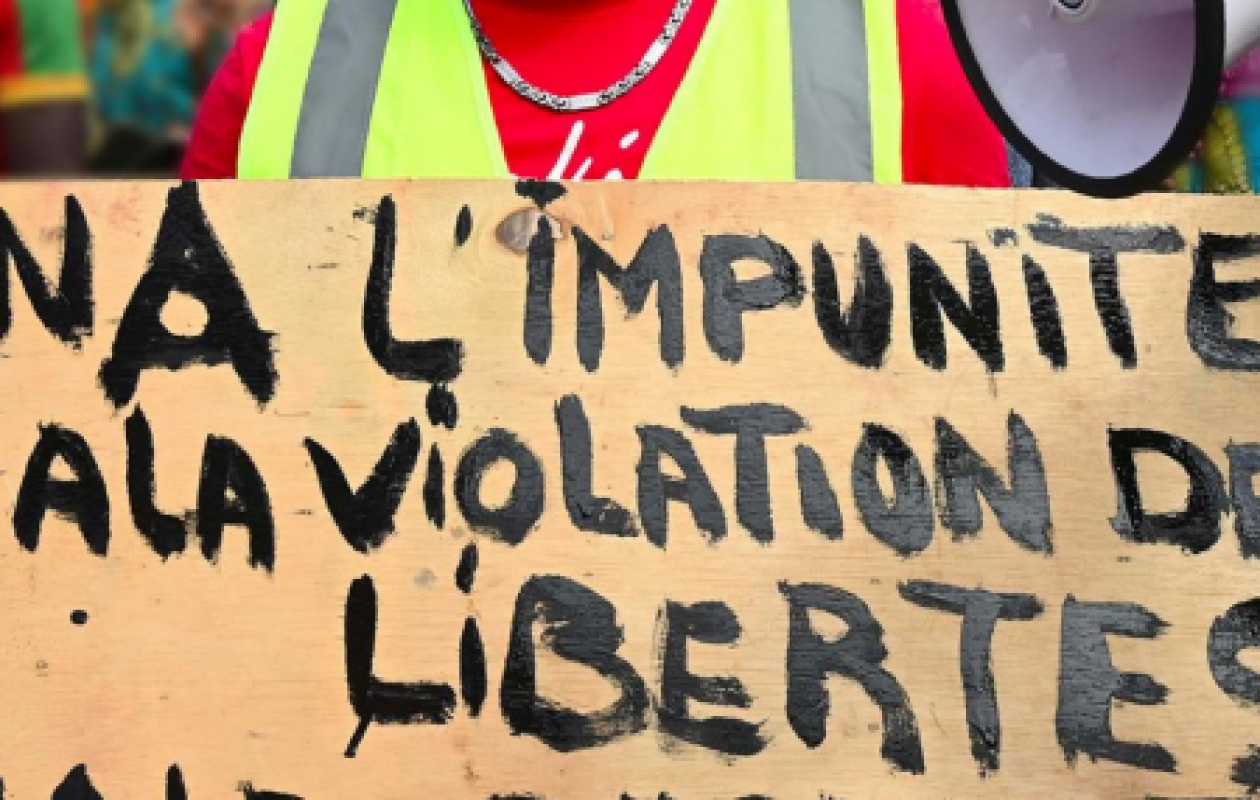
Droits humains : Amnesty International alerte sur la dégradation persistante en Afrique de l’Ouest et centrale
The human rights situation in West and Central Africa remains worrying. This is at least the conclusion of the latest annual report presented in Dakar on Tuesday, April 21, by Amnesty International.
At a press conference, Habibatou Gologo, deputy expert in charge of campaigns for West and Central Africa, made a stark assessment, mentioning persistent crises, entrenched impunity and weakened fundamental rights.
Armed conflicts continue to ravage several countries, particularly in the Sahel, Nigeria, Cameroon, and the Central African Republic. According to Ms. Gologo, this violence is taking place in a climate of international indifference and near-total impunity. "Justice mechanisms are struggling to function, as exemplified by the Central African Special Criminal Court, which is currently weakened by a lack of funding that compromises victims' access to justice," she stated.
She indicated that the report highlighted a large-scale humanitarian crisis, with 12.7 million people displaced, including more than 9 million within their own countries. Conflict, the effects of climate change, and economic hardship are exacerbating the situation.
Regarding the education sector, she reported that thousands of schools have been closed, depriving millions of children of access to education. "Health systems, already fragile, have also come under severe pressure due to the decline in international funding," she added.
Habibatou Gologo also denounced the shrinking of civic space in several countries.
According to her, freedom of expression and the right to protest are regularly hampered, with arrests, enforced disappearances, and restrictions on internet access. This trend severely limits the diversity of opinions and citizen participation.
Regarding persistent gender-based violence, she reiterated that women and girls remain particularly vulnerable. "They are the first victims when there are conflicts and even outside of them," she emphasized. Sexual violence, early marriage, and female genital mutilation remain widespread in several countries. "The picture remains bleak," she said, mentioning some legislative progress which, however, remains fragile and sometimes contested.
The expert also cited climate change as an "aggravating factor" in the crisis. According to her, climate shocks displace populations and worsen access to healthcare and education. "It is not only armed conflicts, but also climate change that affects the most vulnerable," she emphasized.
Despite this worrying picture, Ms. Gologo noted some progress. She indicated that certain legislative reforms concerning women's rights have been adopted, notably in Burkina Faso where the marriage age for girls has been raised to 18, the same as for boys, and in Sierra Leone where a law on female genital mutilation has been passed. "But the fight must continue," she declared.
On the civic space, she highlighted "many releases" of people detained for their opinions or their participation in demonstrations, "a rather positive signal for the region," she said.
She finally called for increased mobilization of States and the international community to end impunity, protect civilians and guarantee respect for fundamental rights.
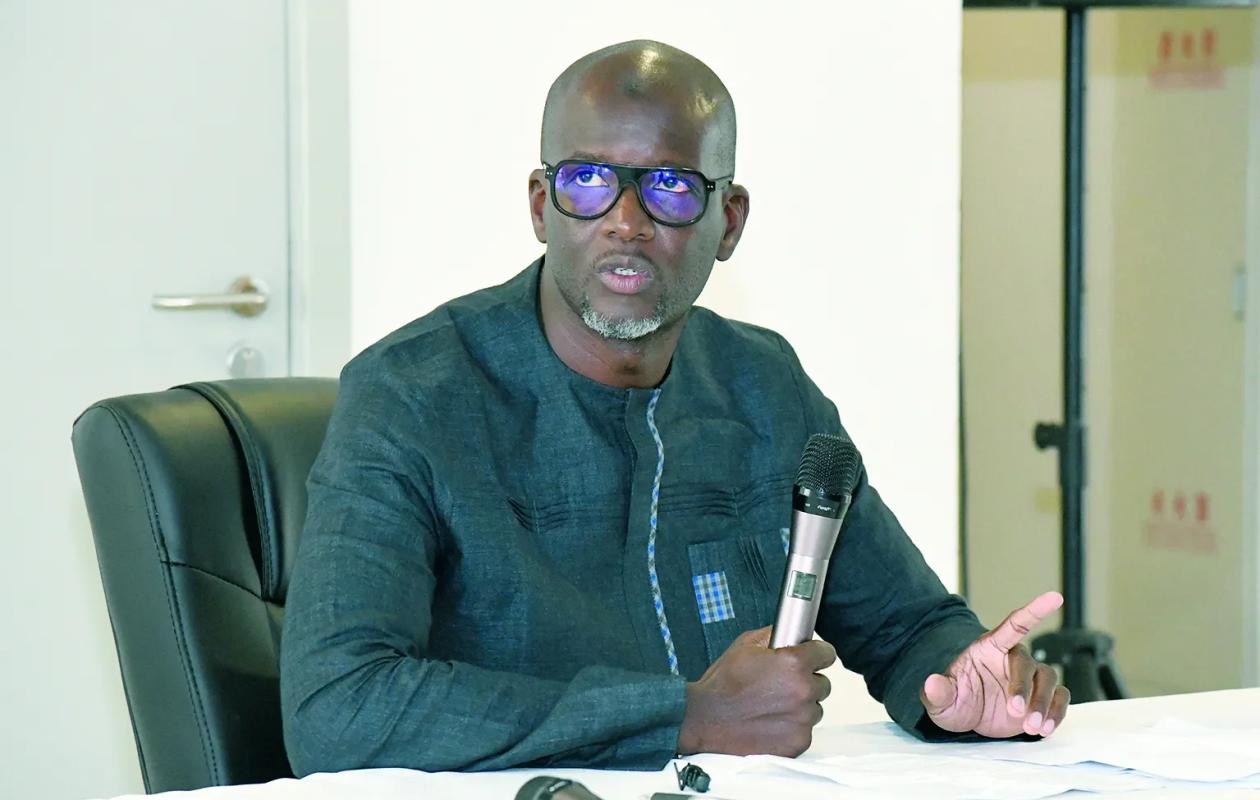
For his part, the organization's expert and senior researcher on the Sahel, Ousmane Diallo, spoke of a "homogeneous shrinking of civic space" in Mali, Niger and Burkina Faso, which have been part of the Alliance of Sahel States since 2023.
According to him, in these three countries, the military regimes dissolved political parties and prolonged the transitions until 2030. He also deplored the increase in enforced disappearances, citing as examples Mali, where Moussa Mara was sentenced to two years in prison for a tweet; Burkina Faso, where Idrissa Barry (Idriss Abari), of the Servir et Non Se Servir (SENS) movement, was abducted in March 2025 and remains missing; and Niger, where Moussa Tchangari, A prominent figure in civil society, he risks the death penalty for his stances.
Mr. Diallo indicated that the Economic Institute for Peace has demonstrated that the conflict remains deadly, with the Sahel accounting for 51% of global terrorist actions in 2025.
He reported that 9,362 civilians were killed, victims of the Group for the Support of Islam and Muslims (GSIM), the Islamic State in the Sahel, but also government forces and their auxiliaries.
According to him, drone strikes, such as in Ejdier, Mali, where 16 fairground workers perished, illustrate "indiscriminate targeting".
Faced with these numerous challenges, the organization's expert launched an urgent appeal for the release of arbitrarily detained individuals; the rejection of impunity; the protection of humanitarian space following the expulsion of the International Committee of the Red Cross (ICRC) from Niger; and also for support for local journalists, lawyers, and activists. "This crisis is structural and demands that we rise to the occasion," he concluded.









Commentaires (0)
Participer à la Discussion
Règles de la communauté :
💡 Astuce : Utilisez des emojis depuis votre téléphone ou le module emoji ci-dessous. Cliquez sur GIF pour ajouter un GIF animé. Collez un lien X/Twitter, TikTok ou Instagram pour l'afficher automatiquement.