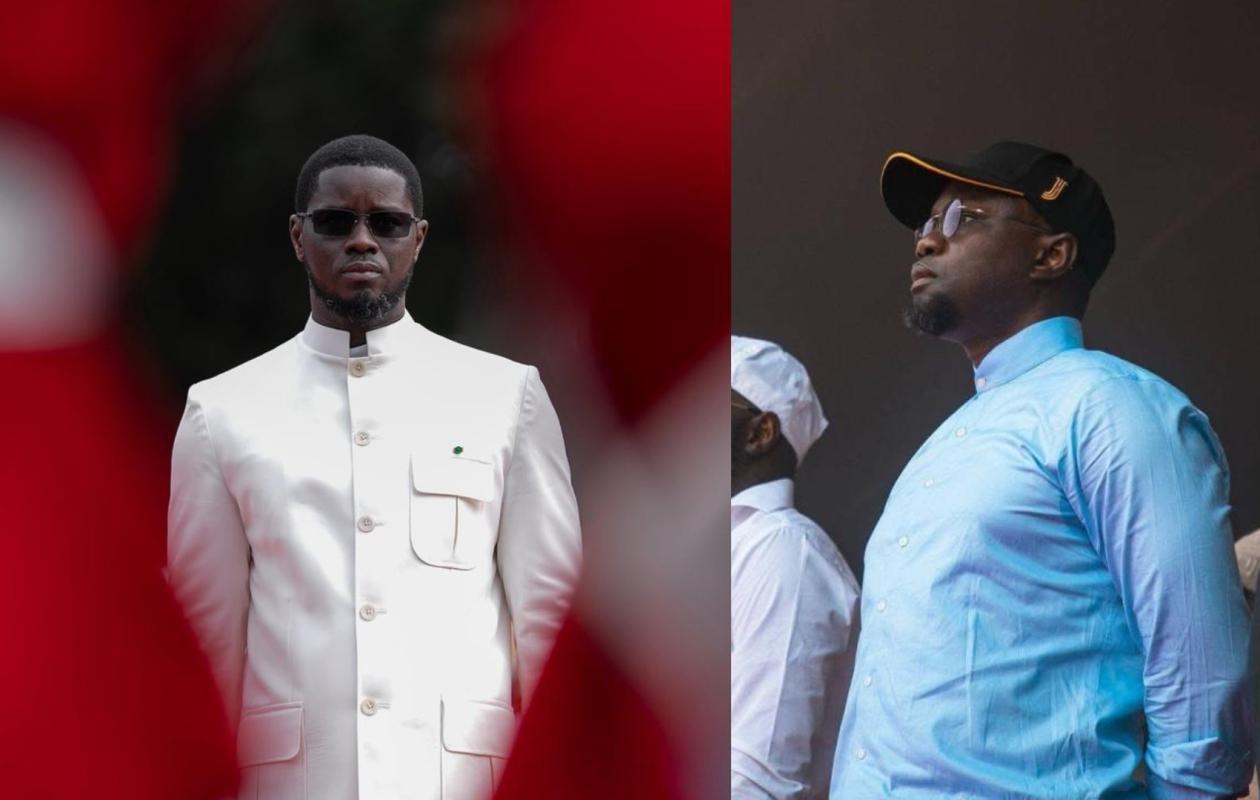
Dyarchie au sommet de l’État : « On ne peut pas laisser cette situation perdurer » (Penda Mbow)
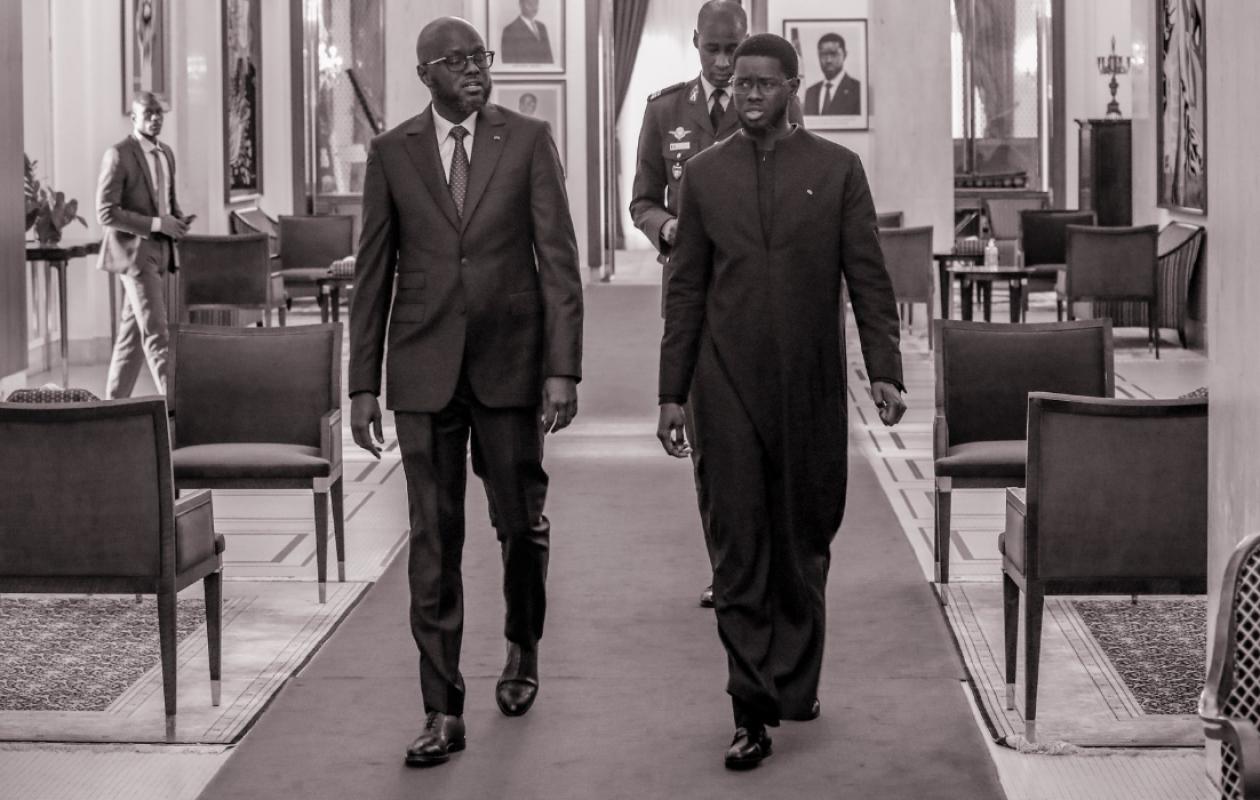
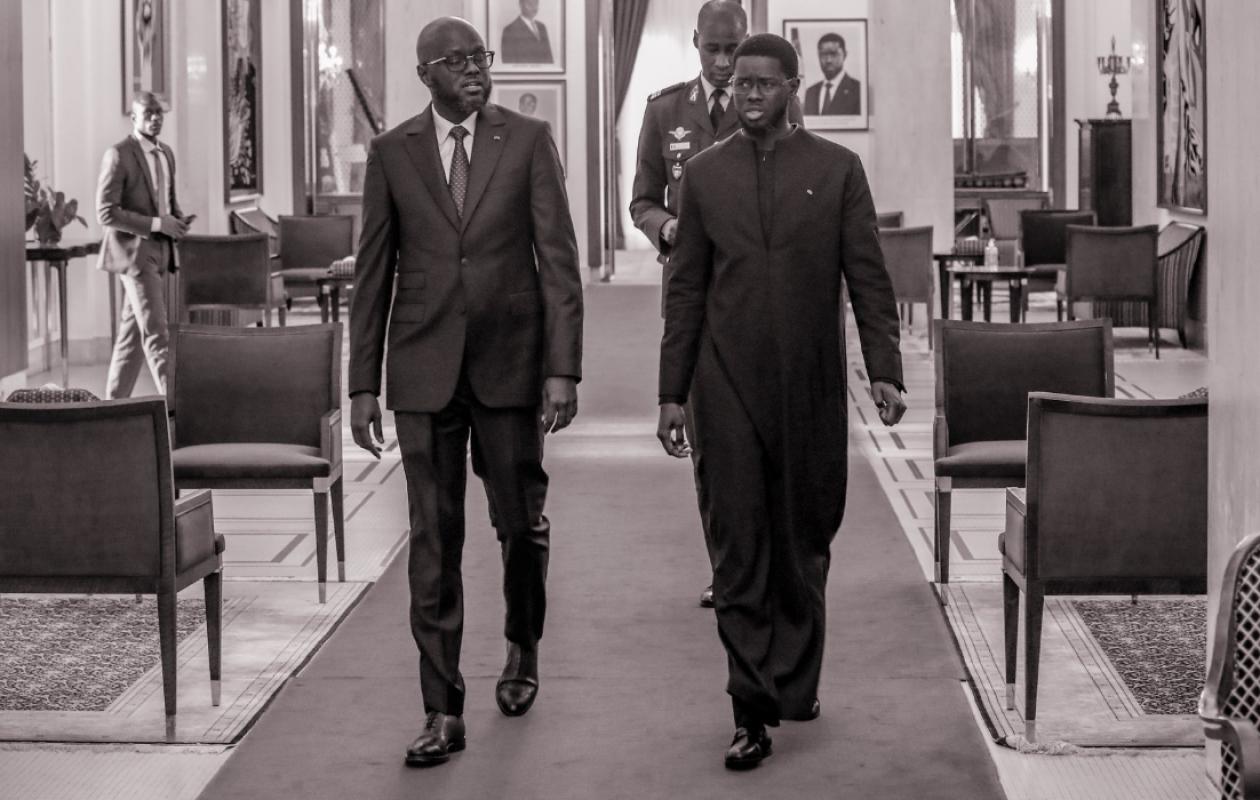
Although the Senegalese Constitution enshrines a strong presidential system, the relationship between President Bassirou Diomaye Faye and his Prime Minister Ousmane Sonko is reshaping the dynamics of power at the Presidential Palace on Avenue Roume. Since the Diomaye-President coalition congress, followed by the parallel launch of the Patriotic Alliance for Labor and Ethics (APTE), the relationship has shifted from a partnership to a more or less discreet power struggle.
A situation that "must not be allowed to continue," according to Penda Mbow. The historian, who co-hosted a panel on the root causes of instability in the Sahel, gave her perspective on current political events, particularly this troublesome dual leadership at the top of the state.
“Today, the political situation in the country has resulted in two people being at the head of state. This issue must be addressed,” she stated. According to Professor Mbow, the current legal framework is completely out of step with the reality of power. She advocates for major constitutional reforms to establish a genuine balance of power, suggesting in particular a shift to a parliamentary system that takes reality into account. But, she insists, “we cannot allow this to continue with laws that do not reflect the current situation.”
According to the former Minister of Culture, President Diomaye and his friend and political mentor (Sonko) may be making efforts to remain together, as their supporters demand, "but exercising power is another matter." "The exercise of power becomes very difficult because we have a constitution that doesn't allow for an ephemeral President of the Republic. But political reality has given the Prime Minister a legitimacy derived from his political role and the support of a large segment of the youth," explains Penda Mbow.
How can this problem be solved when the Constitution has never faced this type of situation? She believes that a constitutional reform is necessary.
Finally, she firmly opposed Prime Minister Ousmane Sonko's vision regarding the party's dominant role. "We cannot return to the one-party state. The one-party state is a thing of the past," she insisted. Moreover, the academic explained, "no party today will have sufficient strength and capacity to be a one-party state that will control everything in society. Only a participatory, citizen-led revolution can address our development needs."

![[EXCLUSIF] Ndiaga Seck : Ce qu'il a dit sur Ousmane Sonko](https://image.seneweb.com/content/news/2026-21-18//thumb_1260x800_6a0b59b4699aa_zsVjCNITAk.jpg)









Commentaires (15)
Participer à la Discussion
Règles de la communauté :
💡 Astuce : Utilisez des emojis depuis votre téléphone ou le module emoji ci-dessous. Cliquez sur GIF pour ajouter un GIF animé. Collez un lien X/Twitter, TikTok ou Instagram pour l'afficher automatiquement.