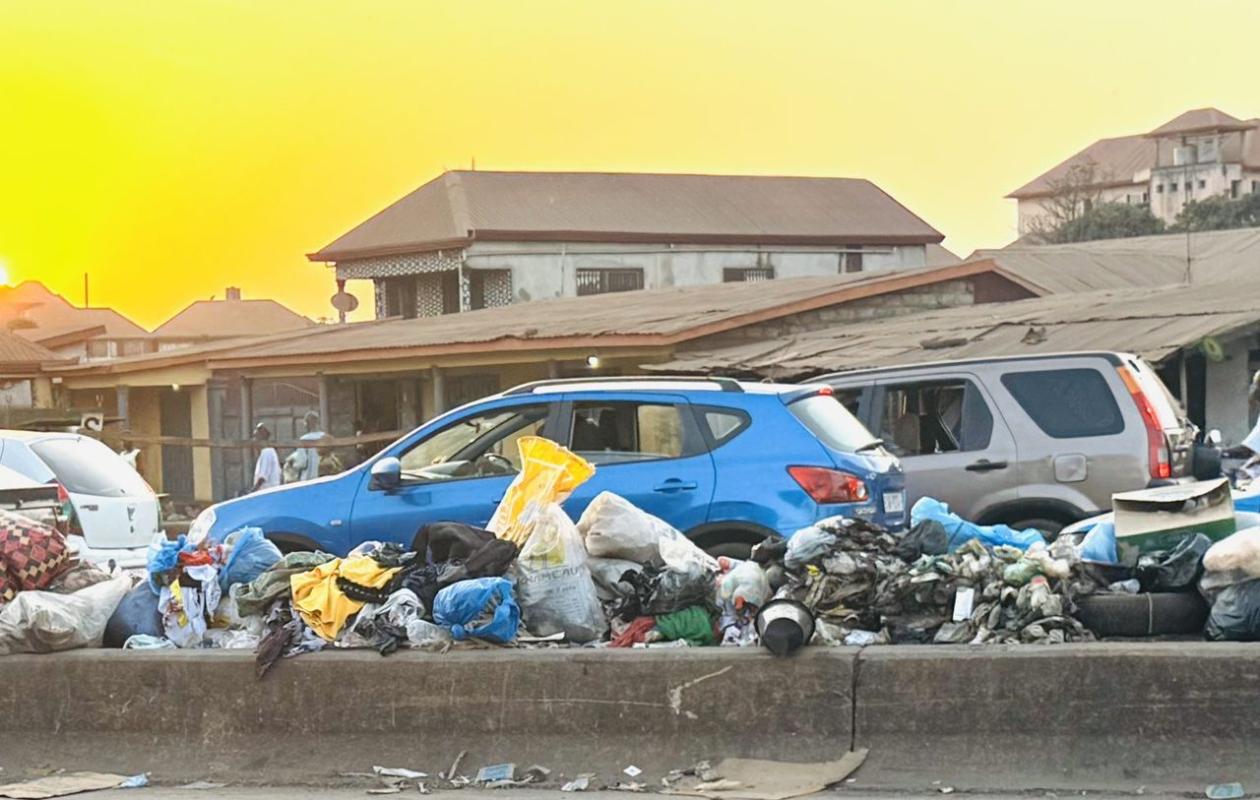
Guinée : Conakry suffoque sous les ordures, le cri de détresse des habitants
Since the removal of public trash cans, the Guinean capital has been facing a worrying accumulation of waste. This situation is causing incomprehension and exasperation among citizens.
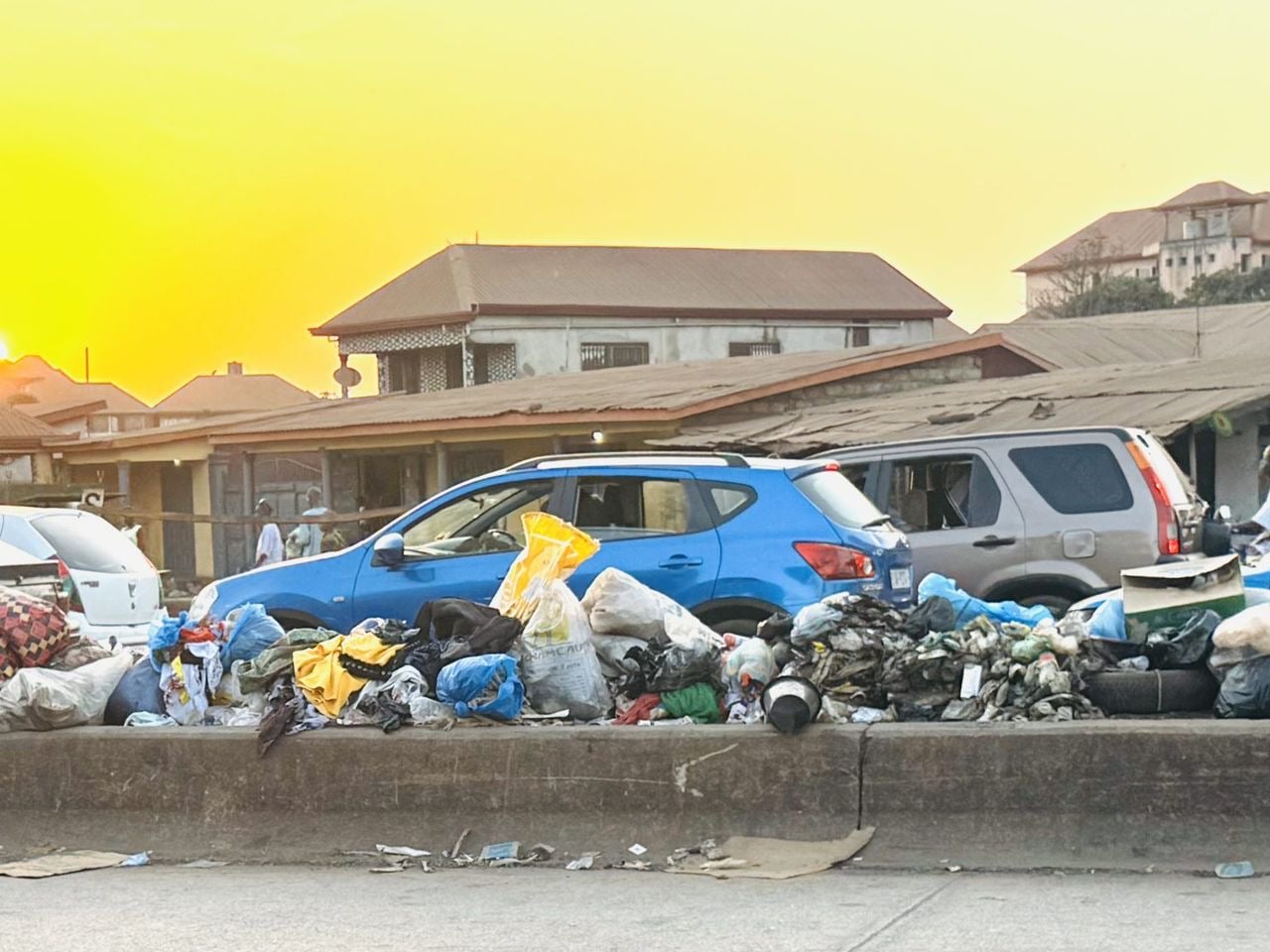
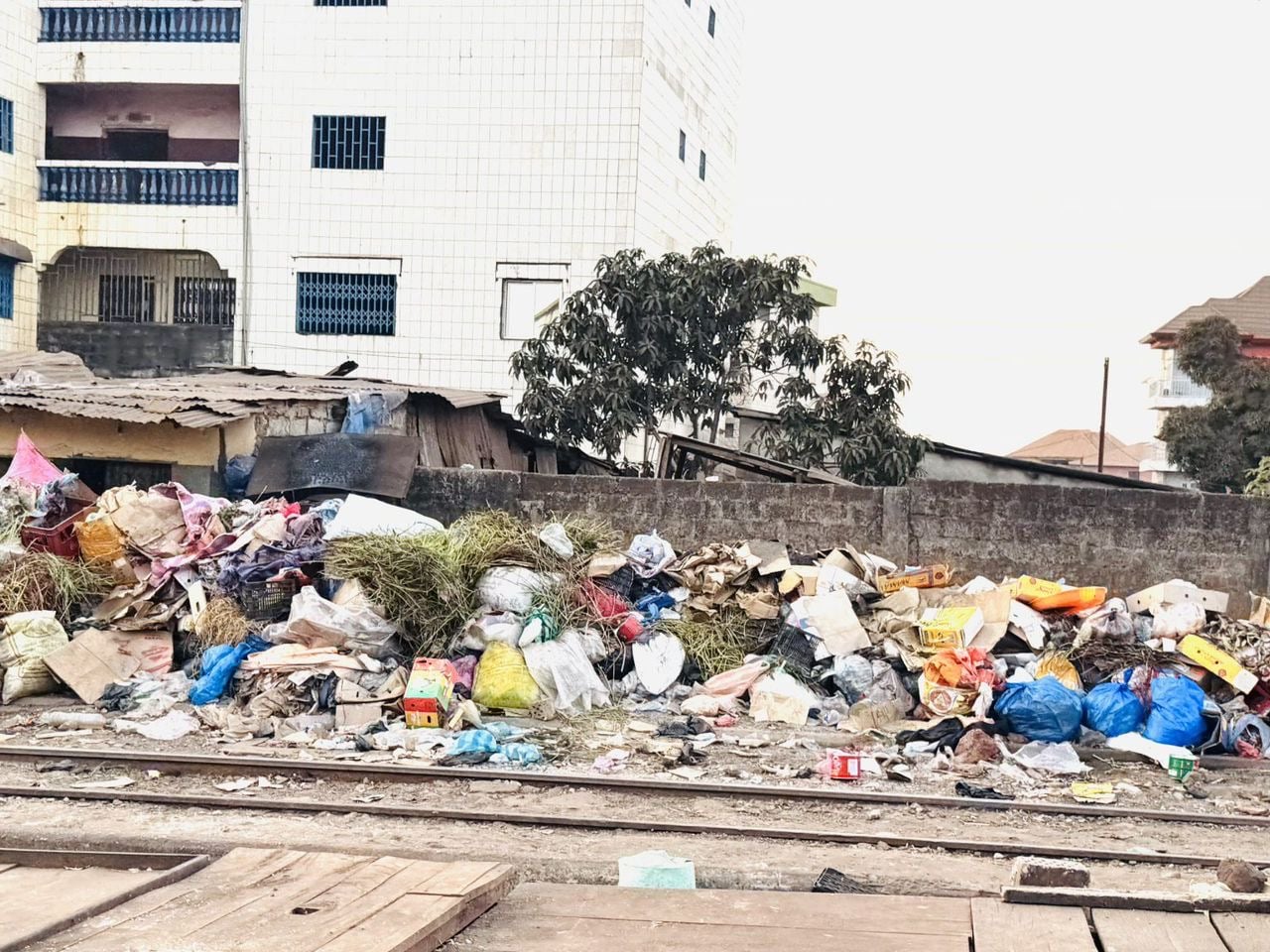
Conakry. In several neighborhoods of the capital, unsanitary conditions have become a daily reality. From main thoroughfares to railway lines, piles of garbage accumulate, giving the impression of a city gradually being overwhelmed by its own waste. This situation stems from a decision by the authorities: the removal of public trash cans in an effort to encourage residents to subscribe to private waste collection services. But on the ground, the results have been far from convincing.
A measure contested by residents
In neighborhoods like Cosa, the situation is clear. “Before, we could at least put our trash in the bins. Now, there’s nothing. Everything stays in the street and piles up quickly,” says one resident. The same story is heard elsewhere: “We don’t know where to throw our trash anymore. Everything ends up in the street,” says another resident. For many, removing the collection points hasn’t solved the problem, but has simply shifted it to the public space.
Along the railway tracks, the scene is particularly striking. For several meters, piles of garbage composed of plastic bags, food scraps, and stagnant water invade the environment. "The smell has become unbearable, especially with the heat," explains a vendor located nearby. These areas, once thoroughfares, are gradually becoming breeding grounds for unsanitary conditions, exposing local residents to major health risks.
Beyond the disappearance of trash cans, the effectiveness of the collection system is also being questioned. "The tricycles rarely come, and sometimes very late. Even those who pay don't see any immediate change. Meanwhile, the garbage piles up," laments a resident of Koloma Market. This situation fuels skepticism and undermines citizens' trust in the systems in place.
Low-income households on the front line
The sanitation crisis is particularly affecting the most vulnerable populations. Lacking the means to subscribe to collection services, some residents have no choice but to dump their waste directly on the ground. "We do what we can," sums up one resident. This reality highlights the glaring inequalities in access to essential urban services.
Anger and resignation in the neighborhoods
In areas like Cité Enco 5, there is total incomprehension. "Not everyone can pay. As a result, the garbage remains in the street and we breathe in these stench every day," complains a shopkeeper. Caught between anger and resignation, residents helplessly witness the deterioration of their living environment.
The accumulation of waste in Conakry now poses a serious public health and urban governance challenge. Without swift and appropriate solutions, the situation could continue to worsen. Beyond incentives, many citizens are calling for a more inclusive and effective approach, capable of reconciling accessibility, reliable service, and collective responsibility.



















Commentaires (4)
Participer à la Discussion
Règles de la communauté :
💡 Astuce : Utilisez des emojis depuis votre téléphone ou le module emoji ci-dessous. Cliquez sur GIF pour ajouter un GIF animé. Collez un lien X/Twitter, TikTok ou Instagram pour l'afficher automatiquement.