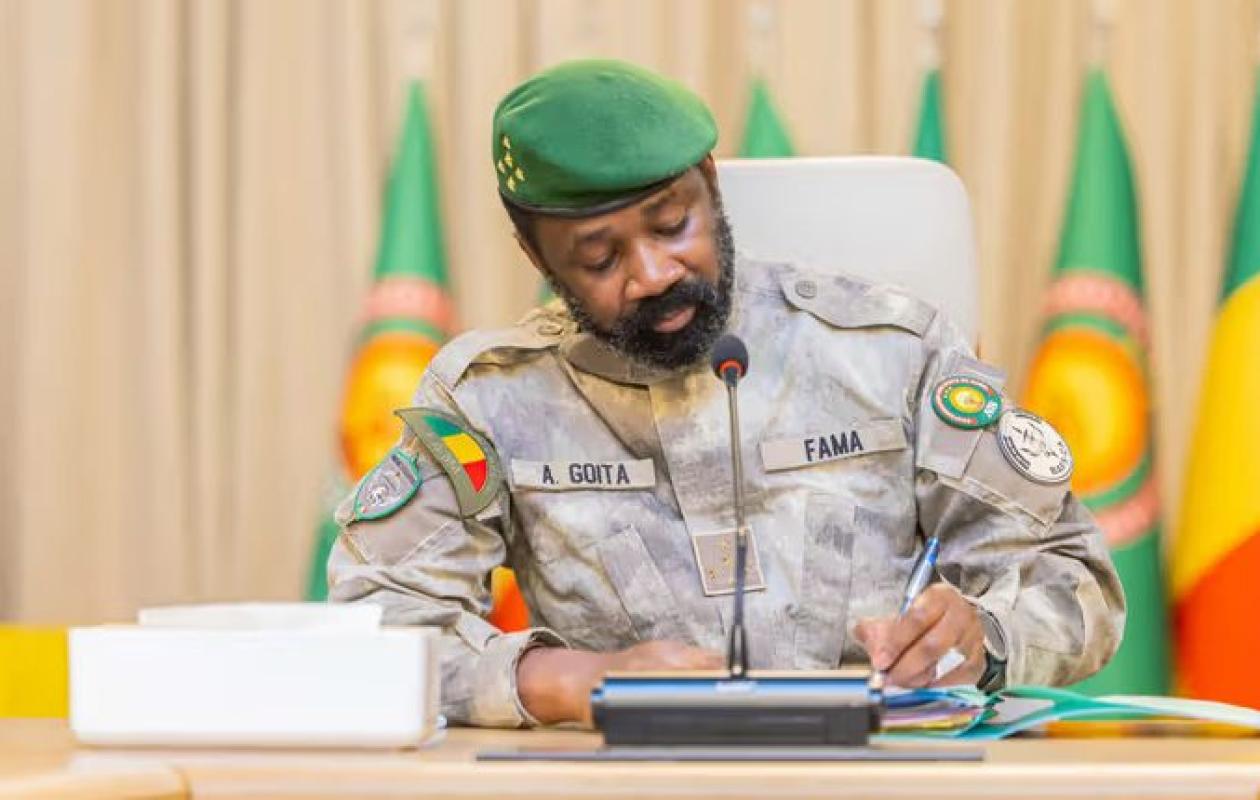
Le Mali restructure ses ambassades en Russie, en Chine et dans 5 autres pays
Malian leader Assimi Goïta is accelerating Mali's diplomatic and economic repositioning as the country expands its global influence and strengthens its control over its gold sector, measures that reflect a broader readjustment by the Alliance of Sahel States (AES).
At a cabinet meeting held in Koulouba on March 18, the Malian government approved a series of decrees establishing updated organizational frameworks for the embassies in Beijing, Berlin, Kigali, Rome, Cairo and Moscow, as well as for its consulate in Paris.
The reforms signed by the Secretary General of the Government, Birama Coulibaly, aim to correct the shortcomings of previous frameworks while preparing the diplomatic corps for the personnel and operational needs of the next five years.
The restructuring of the embassy reflects a deliberate effort by Mali – and by extension the AES bloc – to deepen its engagement beyond its immediate regional sphere.
Although this alliance, which includes Burkina Faso and Niger, has often been presented as a change of course from traditional Western partners, the inclusion of capitals such as Berlin, Rome and Paris reflects a more pragmatic strategy: diversifying partnerships rather than abandoning them.
This suggests that, even in the presence of political tensions with some Western governments, economic and diplomatic channels remain open.
Mali is extending its global influence through gold reforms that strengthen state control.
Alongside its diplomatic efforts, the government is strengthening its grip on the country's most strategic resource: gold.
In 2022, Mali recorded gold production of 72,227 tonnes, including 6 tonnes from artisanal mining, generating 763 billion CFA francs for the national budget. The gold sector contributes 9.2% to the gross domestic product.
Despite this contribution, Mali has encountered difficulties in controlling flows from gold panning and small mines due to discrepancies between official national statistics and the quantities received in destination countries.
A separate decree approved the extension of an exploration permit for Roscan Gold Mali SARL in the Kandiolé-Nord area, while authorities also took steps to establish a new state body to oversee precious substances.
The Malian Office of Precious Substances, whose creation is planned, should formalize and secure the marketing of gold from artisanal mining, a sector long plagued by informality and revenue losses.
These reforms come as Mali seeks to maximize returns from its mining sector while asserting greater sovereignty over its natural resources, an approach increasingly common among ESA member states.
Stricter controls on artisanal gold production could help increase state revenue during this period of budgetary pressures, while also improving the traceability of global supply chains.
Beyond diplomacy and mining, the government has also approved a national entrepreneurship strategy for 2026-2030, aimed at stimulating private sector growth and job creation. These measures reflect a two-pronged strategy: opening up to international partners while simultaneously consolidating national control over key economic assets.

















Commentaires (0)
Participer à la Discussion
Règles de la communauté :
💡 Astuce : Utilisez des emojis depuis votre téléphone ou le module emoji ci-dessous. Cliquez sur GIF pour ajouter un GIF animé. Collez un lien X/Twitter, TikTok ou Instagram pour l'afficher automatiquement.