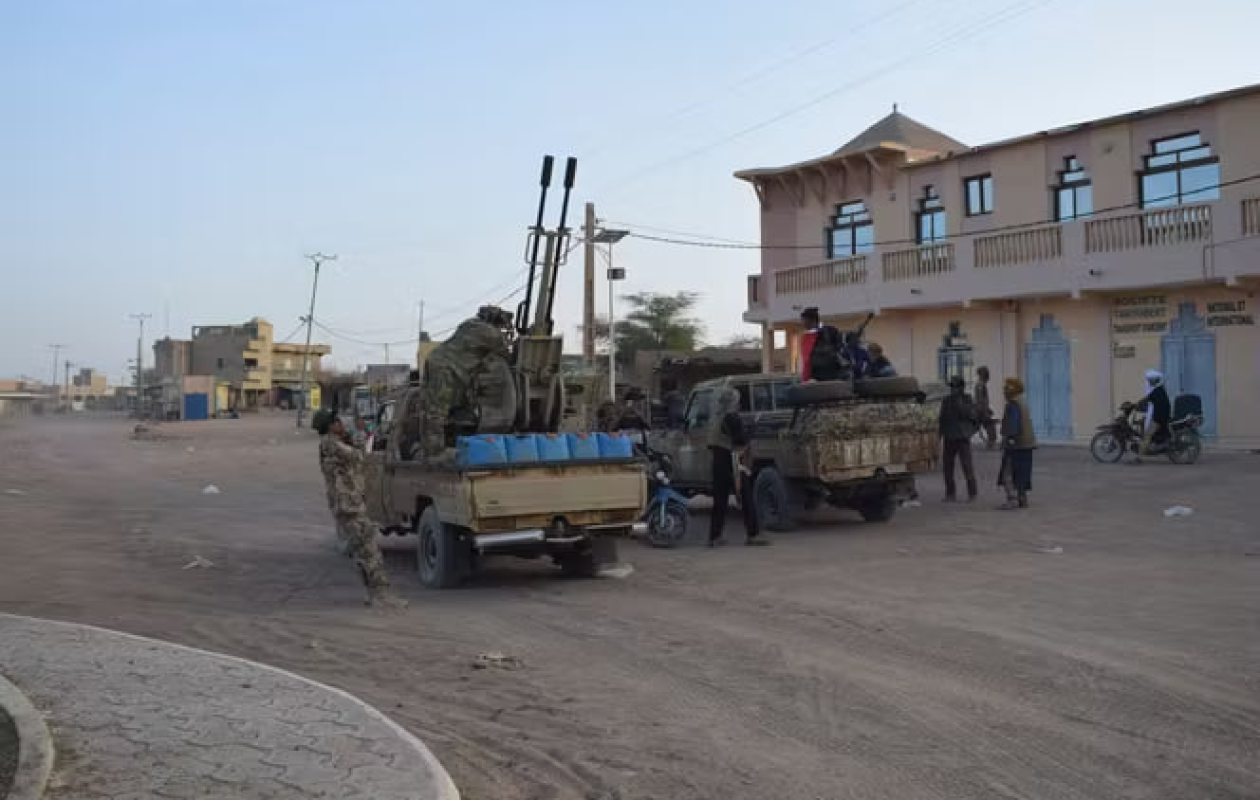
Mali : la polémique enfle autour du traitement médiatique français du FLA
As Mali continues to grapple with the aftermath of violent attacks that struck several cities across the country, a major controversy is emerging regarding the role of French media in shaping public perception of the conflict. Amidst a period of mourning and national mobilization, certain content published in France is sparking growing outrage among the Malian public.
This is particularly true of one article, which questions the classification of the Azawad Liberation Front and puts forward arguments suggesting that its members should not be considered terrorists. Many observers perceive this approach as an attempt to downplay the actions of a group implicated in repeated acts of violence.
This outrage is all the greater given that the LAF is accused of having participated in coordinated attacks on April 25 alongside the Group for the Support of Islam and Muslims, an organization whose terrorist nature and atrocities are widely documented. These operations targeted not only military positions but also civilians, exacerbating the climate of insecurity in the country.
In this context, several voices are being raised to denounce a form of complacency. According to some security analyses, France's reaction to these attacks has been deemed particularly muted in terms of solidarity, contrasting sharply with the media attention given to representatives of the FLN. This situation fuels a sense of unease regarding Paris's true intentions in the region.
One of the voices is security expert Souleymane Amzat, who provides a particularly critical perspective on France's attitude.
"After the coordinated attack in Mali with the support of external sponsors, France remained very reserved in expressing its compassion, but on the other hand offered a platform to terrorists to spread their message," he points out.
According to him, this stance is part of a broader strategy. "France understands that it can no longer influence the leaders of the Alliance of Sahel States as it did before. It has therefore opted for a different approach aimed at restoring its influence in the region, by actively supporting armed groups, notably through the supply of weapons, but also through a media campaign aimed at improving the image of the FLA."
Meanwhile, suspicions of foreign interference in the organization of the attacks continue to circulate. The press revisits these persistent questions. The coordinated offensive in Mali raises suspicions of foreign intervention. These factors reinforce the idea that the logistical capabilities deployed exceed those of isolated armed groups.
The authorities of the Alliance of Sahel States also expressed their concern about these developments. The President of Niger, in particular, denounced a destabilization strategy targeting countries that have chosen to break with the old dynamics of economic exploitation. Following the conclusion of the Nigerien Council of Ministers meeting, he alluded to the existence of external support with considerable resources.
This interpretation of events fuels a profound debate on the true geopolitical issues at play in the region.
Thus, between controversial media treatment, accusations of interference and suspicions of strategic agreements around resources, the situation highlights a growing crisis of confidence between a part of Sahelian public opinion and France.








Commentaires (16)
Participer à la Discussion
Règles de la communauté
💡 Astuce : Utilisez des emojis depuis votre téléphone ou le module emoji ci-dessous. Cliquez sur GIF pour ajouter un GIF animé. Collez un lien X/Twitter, TikTok ou Instagram pour l'afficher automatiquement.
Se connecter
Commentez avec votre profil, votre photo, et soyez averti des réponses.