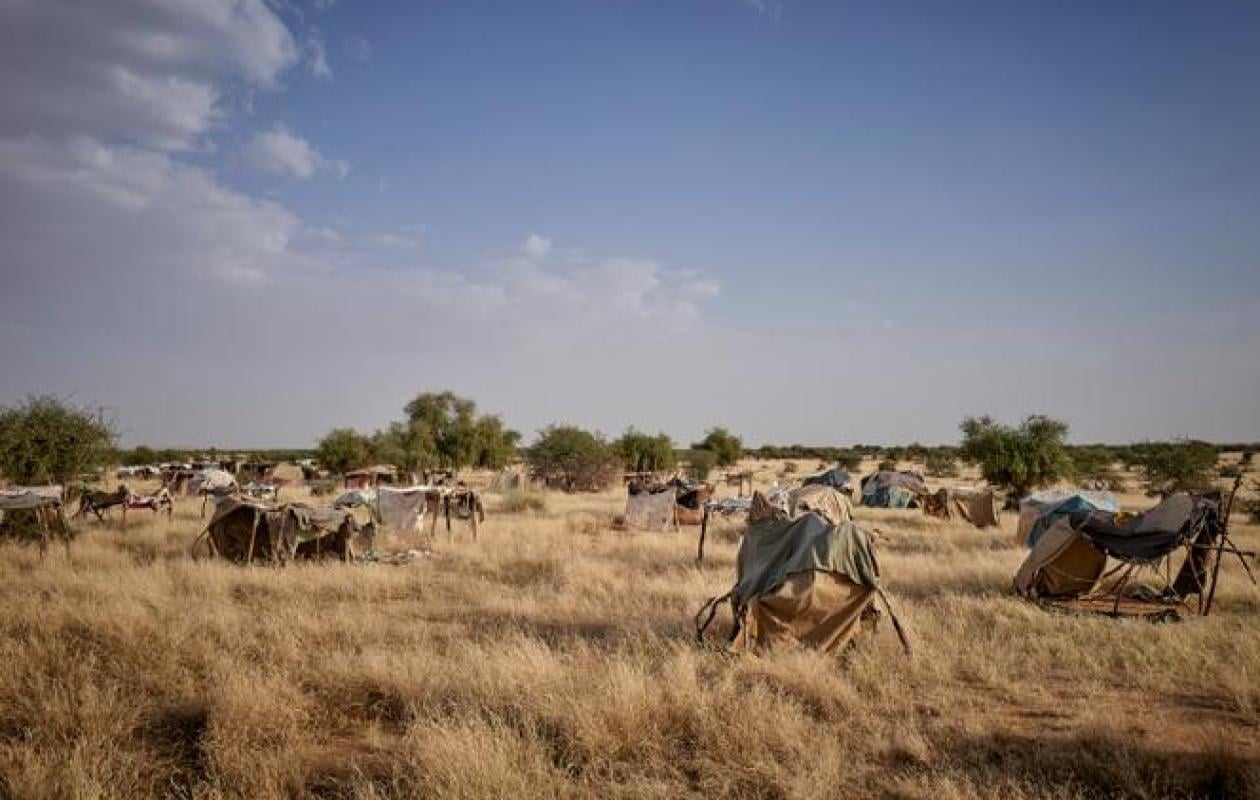
Mali: plus d'une centaine de jihadistes présumés libérés contre le passage des convois de carburant
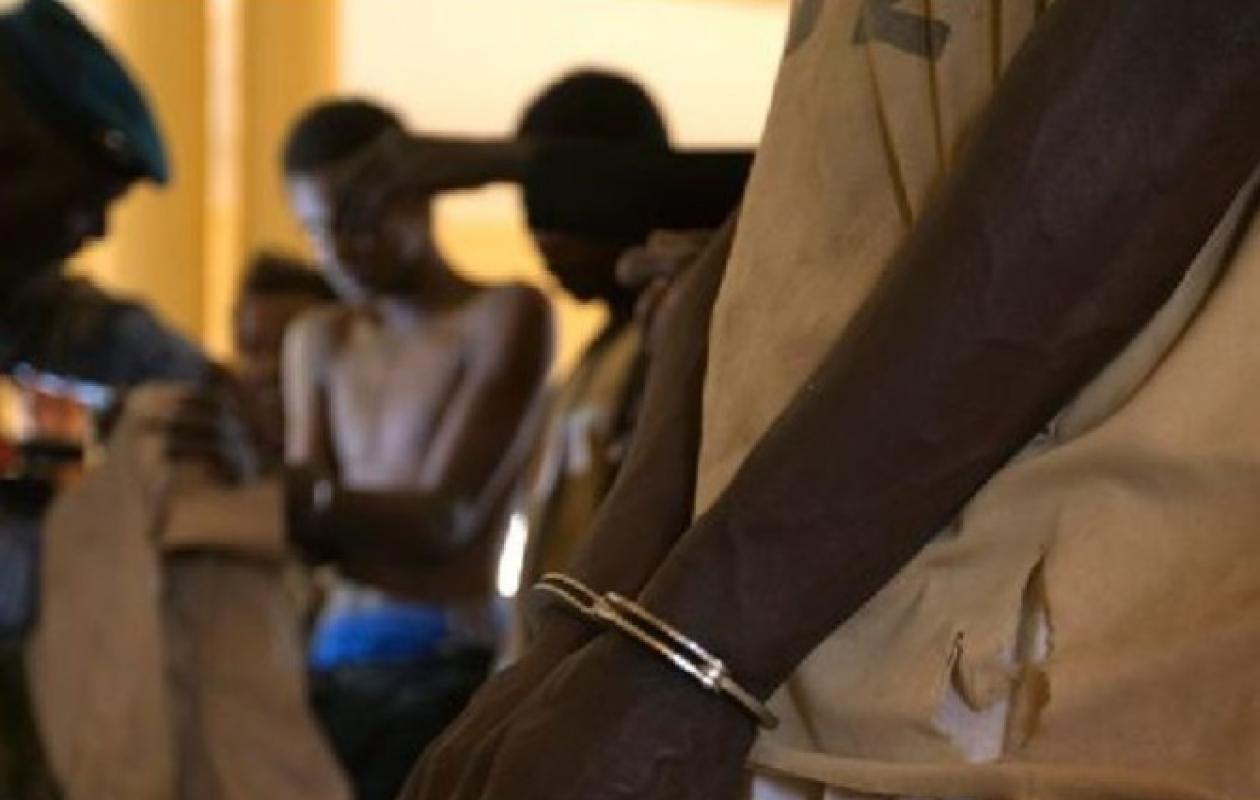
More than a hundred suspected jihadists were released earlier this week in Mali as part of a truce on attacks on fuel convoys that are suffocating the economy of this landlocked country, AFP learned Sunday from security sources and local officials.
Since last September, jihadists from the Group for the Support of Islam and Muslims (JNIM), affiliated with Al-Qaeda, have been attacking convoys of tanker trucks, going so far as to completely paralyze the economy in the capital in October.
After several months of calm, at the beginning of March, the people of Bamako were once again faced with a shortage of diesel fuel, the stocks of which were used primarily to supply thermal power plants.
Since the agreement reached mid-week, just before the Korité festival marking the end of Ramadan, the situation has significantly improved in the Malian capital with the arrival of fuel convoys.
A local official confirmed to AFP the "release of more than 100 jihadists" in exchange for "the opening of a corridor" "to allow convoys of tanker trucks to pass through".
"We learned that this week more than a hundred young people accused of being jihadists were released by State Security (Mali's intelligence services). In return, fuel convoys were not attacked," adds an elected official from central Mali who resides in Bamako.
A Malian security source interviewed by AFP confirmed that "in the context of peace and national unity, expansion measures have been taken," without specifying the nature of the agreement.
Several security sources told AFP that the truce would remain in effect until the major Muslim festival of Tabaski, which will take place at the end of May.
"Many of the arrested Fulani have also been released," AFP learned from an association defending this ethnic group, which is often associated with jihadists.
A community source confirms the release of eight young people from the center of the country: "They are traumatized by the treatment they have suffered. They are seeking to rejoin their families. They were released as part of discussions between jihadists and the government."
Since 2012, this landlocked Sahelian country has faced a profound security crisis fueled in particular by violence perpetrated by groups affiliated with Al-Qaeda and the Islamic State (ISIS), as well as by community-based criminal groups. This security crisis is compounded by a severe economic crisis.











Commentaires (3)
Participer à la Discussion
Règles de la communauté :
💡 Astuce : Utilisez des emojis depuis votre téléphone ou le module emoji ci-dessous. Cliquez sur GIF pour ajouter un GIF animé. Collez un lien X/Twitter, TikTok ou Instagram pour l'afficher automatiquement.