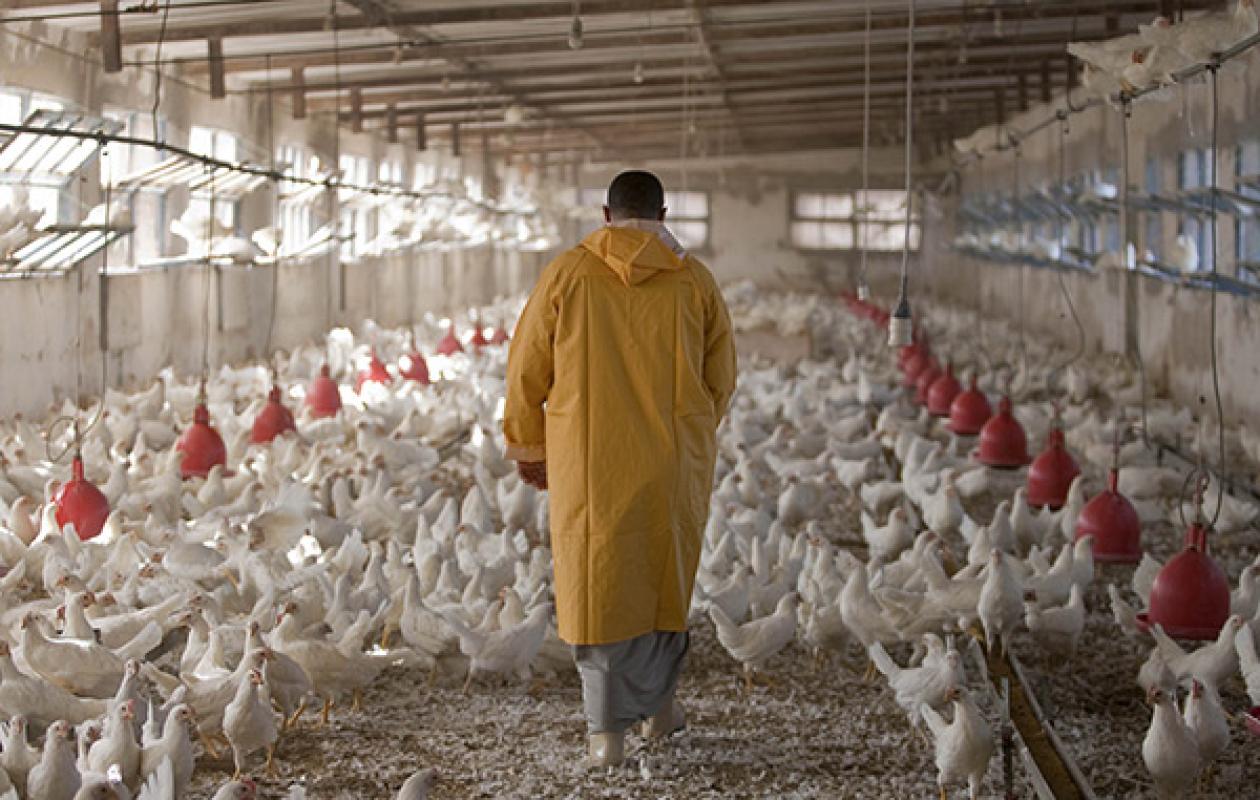
Cri du cœur des aviculteurs de Thiès : Hausse des coûts des intrants, manque de poussins de qualité, problèmes de commercialisation
Rising input costs, a shortage of quality chicks, and marketing problems despite the sector's growth: these are some of the difficulties faced by poultry industry stakeholders in the Thiès region.
Due to the 2005 ban on poultry imports, implemented amid a global outbreak of avian influenza, which led to significant growth in the Senegalese poultry sector, national production has increased from five million birds to over 60 million in two decades, according to industry stakeholders. Despite this growth, poultry farmers in Keur Madaro and Touba Peykouck, in the Thiès region, are currently facing a difficult period.
Producers in this area of the Niayes region, ideal for poultry farming, are strongly denouncing "the rising cost of inputs, difficulties in obtaining quality chicks, and problems selling their produce." As a result, several farms are struggling, to the point that some farmers are even considering ceasing operations.
A 2022 survey conducted for the FAO, through ECTAD, reveals that the Thiès region remains the country's main poultry-producing area with 786 farms recorded, ahead of Dakar. The departments of Thiès, Mbour, and Tivaouane concentrate a large proportion of commercial farms.
From Keur Madaro to Touba Peykouck, many producers, now forced to combine onion farming and chicken breeding to maintain their activities, explain that "farmers lived better after the cessation of imports of foreign poultry, because marketing was simpler".
They continued: “Today the situation is more complicated. The sector continues to face persistent constraints. The high cost of feed, viral diseases, and the shortage of chicks for laying hens are making the work of farmers extremely difficult. Feed prices increased sharply during the Covid-19 period, rising from 12,000 to nearly 18,000 FCFA per bag. Even though a slight decrease was observed afterward, the costs remain heavy for farmers.”
Added to this is the fact that chick orders sometimes take several months to be delivered, and the quantities received are often insufficient. Those involved in the sector, who despite these difficulties remain convinced that the region has strong potential to contribute to food sovereignty and the development of poultry farming in Senegal, express concern about the proximity of farms, which facilitates the spread of diseases, particularly since the emergence of the H9N2 avian influenza, responsible for high mortality rates.
























Commentaires (4)
Participer à la Discussion
Règles de la communauté :
💡 Astuce : Utilisez des emojis depuis votre téléphone ou le module emoji ci-dessous. Cliquez sur GIF pour ajouter un GIF animé. Collez un lien X/Twitter, TikTok ou Instagram pour l'afficher automatiquement.