
Médias et politique : Le cas des plateaux spéciaux
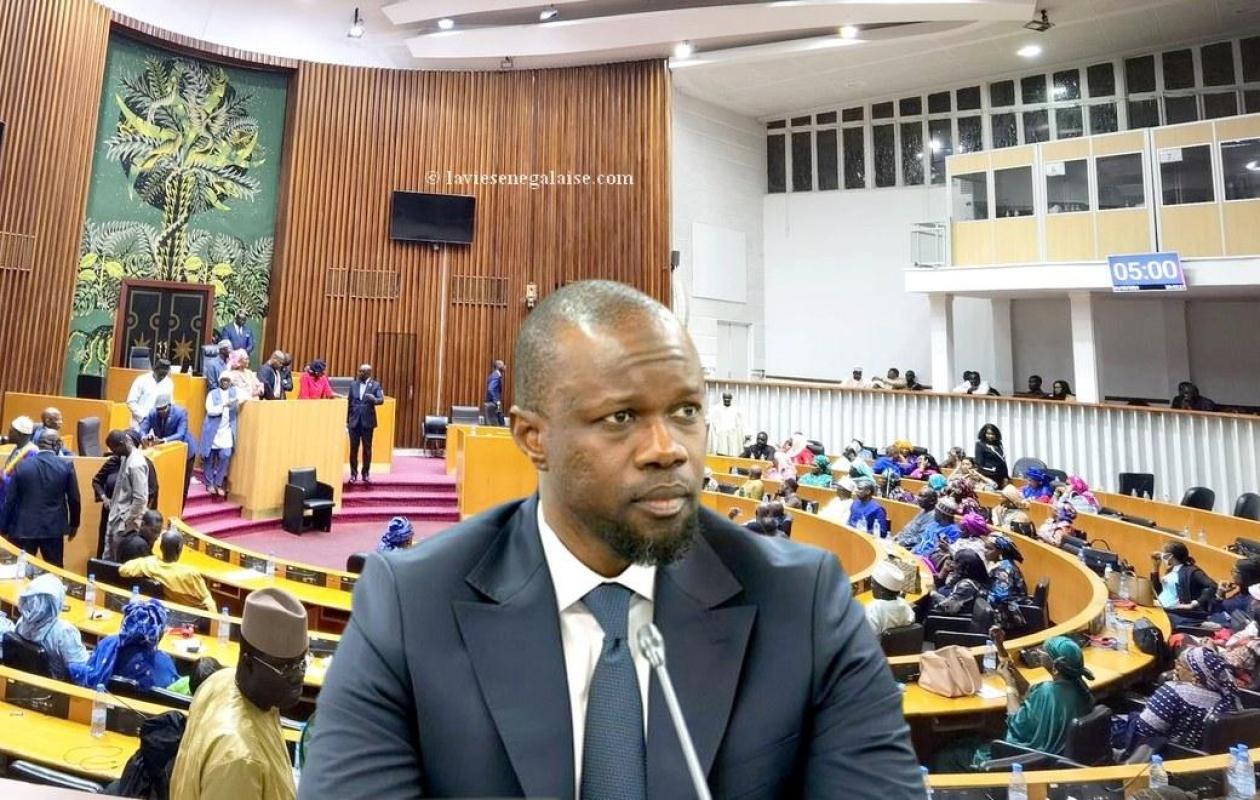
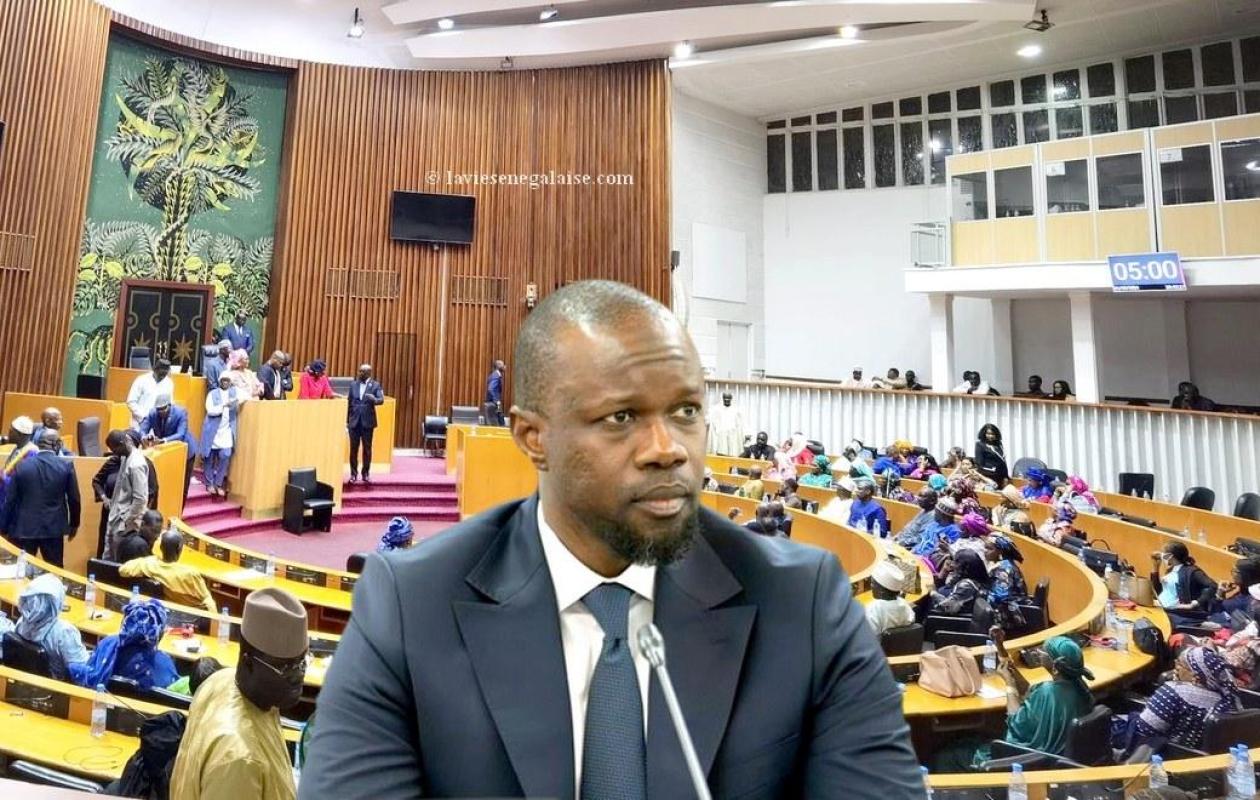
In his address to the nation on December 31, 2025, President Bassirou Diomaye Faye spoke about the economy, health, education, and justice, among other topics. But to truly grasp the message to the Senegalese people, the media felt that no one was better placed than politicians to offer their perspective.
Thus, TFM invited Minister Cheikh Tidiane Dièye and Sidy Bara Fall for the presidential majority, Hamidou Anne and Madana Kane for the opposition.
Sen TV, for its part, invited Moussa Niang from Gueum Sa Bopp, Aboubakry Sokomo from the APR, Bachir Diawara from the PDS, and Bachir Fofana, a "political analyst" who could easily be considered an opposition figure. Not to mention Thierno Alassane Sall, who was supposed to participate remotely. And to counter this opposition, Babo Amadou Ba from Pastef, who apparently did not ultimately attend.
2STV follows this same logic when it invites Abdourahmane Diouf and Babacar Sané Ba for the ruling party, Aïda Sophie Niang and Alioune Badara for the opposition, and finally Elimane Haby Kane from civil society to ensure balance.
The same thing happened at Radio Senegal, where Fadilou Keita and Ibrahima Hamidou Dème faced off, with Cheikh Tidiane Sy, a member of civil society, in the middle.
Seneweb TV did not escape this logic with two guests from the presidential movement and two from the opposition.
Meanwhile, other media outlets are following the same pattern, but with a single, unified perspective. While RTS unsurprisingly opts for the government spokesperson, Walf TV rolls out the red carpet for Déthié Fall, while Cheikh Yérim Seck feels right at home on 7TV, opposite Maïmouna Ndour.
By proceeding in this way, the media reduce the public sphere to a binary logic of power versus opposition. In fact, everything is done as if those involved in partisan politics were the only voices that matter. Even when civil society is invited, the political voice is chosen—that is, the segment concerned with elections, civil liberties, in short, governance and democracy.
Consequently, despite the fact that the economy dominated the news throughout 2025, economic actors and experts were completely absent from the media. For a year now, those in the construction industry have been listening to others speak on their behalf. The end of the year and the prospects of the new year should have finally provided them with an opportunity to express their views. But the press felt that politicians could do so better than the business leaders and employees who experience the situation firsthand.
Disconnected from the realities of the people
What holds true in economics also applies to education and healthcare, topics that recurred in President Faye's speech. Yet, at no point did the media deem it relevant to give a platform to those working in these sectors. This politically focused framing meant that a news story as significant as the Softcare affair was, to say the least, trivialized. However, if this scandal involved a political figure, it would still be making headlines.
Special programs reveal the media's disconnect from the daily realities of Senegalese people. Political, economic, social, and other events are viewed through the distorting lens of political affiliation. And it's almost always the same people. For example, since Pastef came to power, Abdourahmane Diouf and Cheikh Tidiane Dièye have almost always participated in a special program, whenever the opportunity arises. Why invite Bachir Fofana, who appears every evening on Sen TV? These examples show that the same small group dominates the media for 12 months, to the exclusion of everyone else.
Furthermore, these formats do not allow for constructive debate. Following this logic, television studios are never the calm, peaceful spaces conducive to reasoned argument. On the contrary, they become gladiatorial arenas, a platform for smooth talkers where noise and communication techniques prevail over the issues that impact the lives of Senegalese people.
Thus, by focusing so intently on politics, journalists have come to believe that it's the only topic that sells. However, just like the print media, the public is increasingly disengaged from the media. This self-deception by the press opens the door to other players, particularly creators of informational content.







Commentaires (7)
Vous critiquez une logique instaurée dans nos médias, une politisation a outrance de l'espace publique. Sur ce point je suis daccord avec vous, nous gagnerions à diversifier les contenus de nos plateaux de télé notemment avec des sujets a forte valeurs ajoutées qui ne sont pas toujours orientés vers la polémique, la confrontation et la politique politicienne.
Là ou vous avez raté le coche, c'est d'avoir, sans discernement, mis tout le monde dans "le meme sac"; dans votre texte au ton l'ecriture qui rappelle celui des personnes a qui vous en faite la reproche.
Non Sadikh, sur les plateaux d'apres discours du chef de l'etat il n'y avait pas que des politiciens qui ne connaissent rien à l'education, a l'economie, a la santé. Vous auriez pu avoir l'honneteté intellectuel d'au moins dresser le profil des invités/ du moins de certains invités, je suis persuadé que vous seriez surpris par la pertinence de certains et par consequence de la légitimité de leur presence.
Participer à la Discussion
Règles de la communauté
💡 Astuce : Utilisez des emojis depuis votre téléphone ou le module emoji ci-dessous. Cliquez sur GIF pour ajouter un GIF animé. Collez un lien X/Twitter, TikTok ou Instagram pour l'afficher automatiquement.
Se connecter
Commentez avec votre profil, votre photo, et soyez averti des réponses.