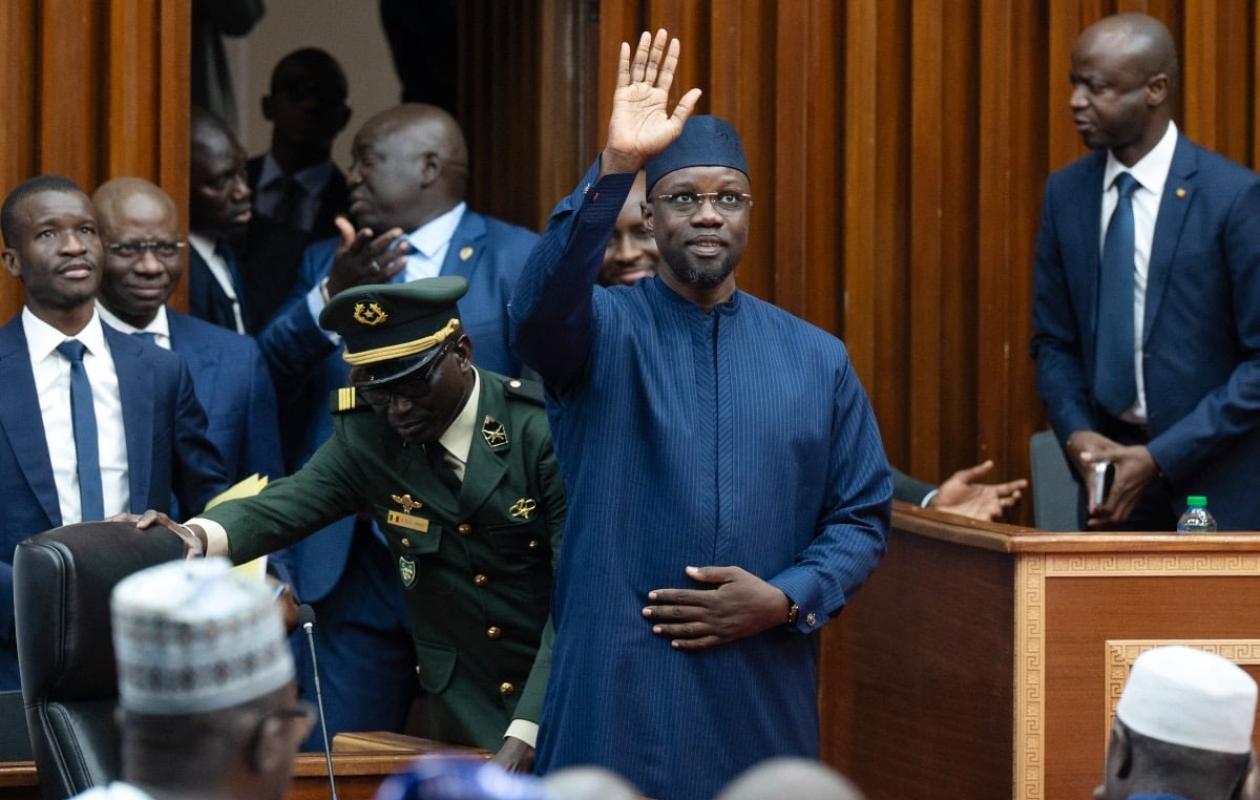
Modification des articles L29 et L30 : quand l’urgence épouse l’agenda politique
There are laws that go almost unnoticed. And then there are those that awaken something deeper, something more sensitive. The reform of Articles L.29 and L.30 of the Electoral Code clearly belongs to this second category. Because ultimately, behind the legal terms, a simple question arises: Who has the right to participate in the democratic process?
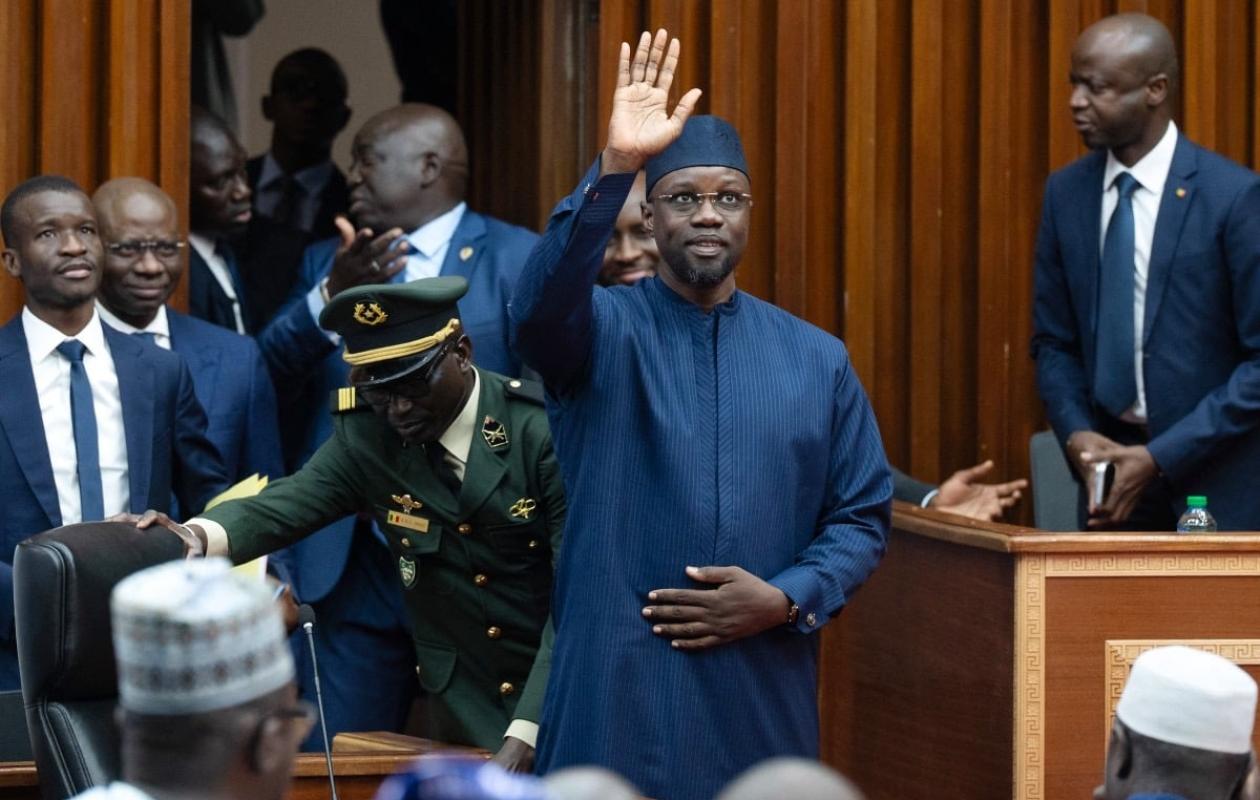
By proposing a review of these provisions, Ousmane Sonko's camp is defending an idea that, at first glance, seems difficult to reject: that of a fairer, more humane, less automatic electoral sanction. After all, should a citizen really be permanently excluded from political competition for a fine or a press offense?
In a country where speech has been liberated, where every word can be amplified, the question deserves to be asked.
But in Senegal, a law is never judged solely on what it says. It is also interpreted through the moment in which it comes into being.
And the timing, precisely, raises questions. The reform is being initiated under emergency procedures in the National Assembly.
The Law Commission is meeting this Saturday, and a plenary session has already been announced for Tuesday. Everything is moving fast. Very fast. At the same time, the Minister of the Interior has invited political parties to a meeting on April 30th to discuss the electoral process. It's like two rhythms that don't seem to be communicating: the announced consultation process, and the accelerating pace of decision-making.
It is in this gap that doubt takes root.
For the opposition, there is no ambiguity. This reform is tailor-made, a "law for one man." Sonko's name is constantly being mentioned in discussions, seen as an obvious choice by some, and as a caricature by others.
The majority, however, assumes a completely different interpretation, namely correcting an inherited injustice, turning the page on practices deemed political under Macky Sall.
The truth, as is often the case, lies somewhere between these two accounts.
Yes, Articles L29 and L30 bear the marks of another era. Designed to address serious offenses, they now produce effects that may seem disproportionate. But altering eligibility is not a technical adjustment. It is a decision that strikes at the very heart of democracy. And that is where the question of method becomes crucial.
Voices like those of Alioune Tine or Moundiaye Cissé don't necessarily reject the substance of the issue. They raise concerns about the path being taken. In Senegal, the rules of the electoral game have always been, at least in principle, the result of a consensus. Not a perfect one, but a necessary one. Because a rule imposed without support always remains fragile.
Ultimately, this debate goes far beyond a name or a specific situation. It brings us back to a broader choice. Do we want a more inclusive democracy, even at the risk of weakening certain safeguards? Or a stricter democracy, even at the risk of exclusion?
There is no simple answer. But there is a requirement.
Humanizing punishment, yes. But without trivializing wrongdoing. Reforming, yes. But also without giving the impression of adapting the rule to the times or to the individuals involved.
Because a democracy doesn't hold together solely through its laws. It holds together through the trust they inspire. And that trust can never be decreed in haste.
![[EXCLUSIF] Un gendarme auxiliaire tombe dans l'affaire Pape Cheikh Diallo](https://image.seneweb.com/content/news/2026-17-26//thumb_1260x800_69ee19493167f_XiDKaJHO1e.jpg)









Commentaires (14)
Participer à la Discussion
Règles de la communauté :
💡 Astuce : Utilisez des emojis depuis votre téléphone ou le module emoji ci-dessous. Cliquez sur GIF pour ajouter un GIF animé. Collez un lien X/Twitter, TikTok ou Instagram pour l'afficher automatiquement.