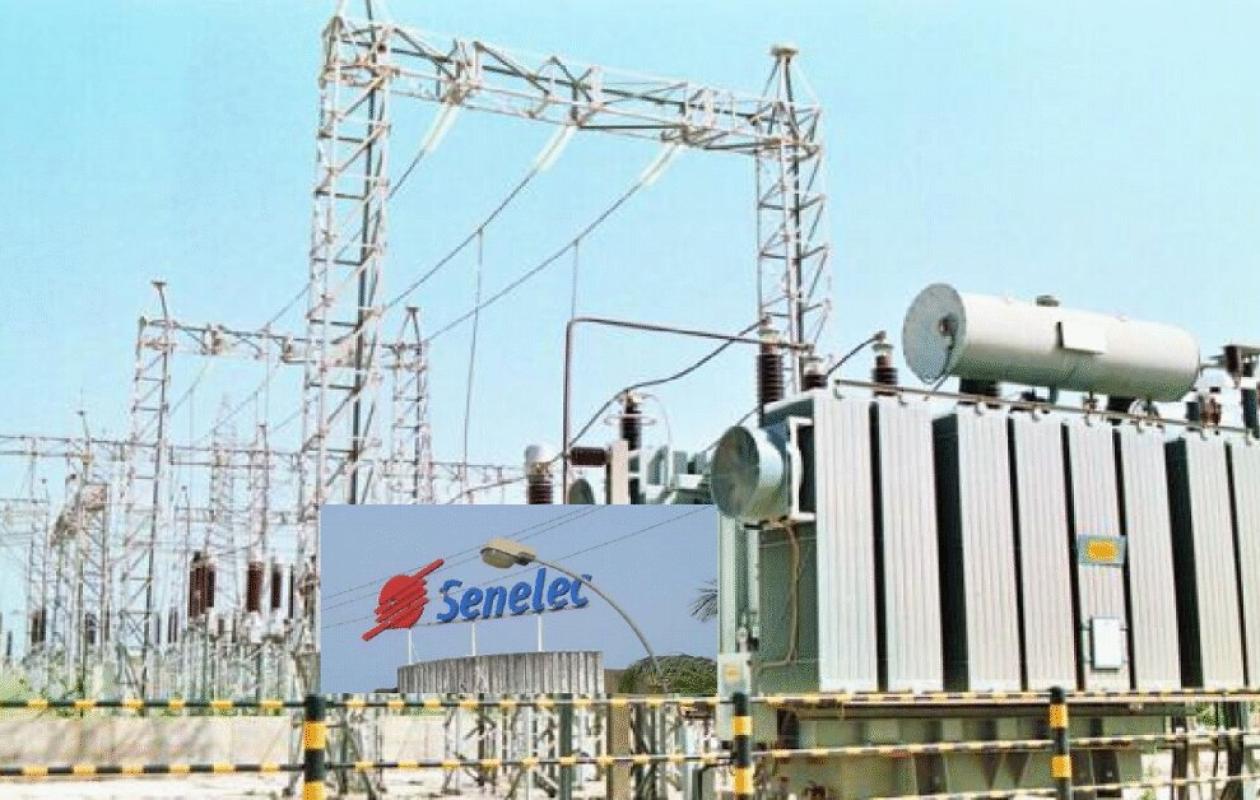
Acquisition de WAE : Pourquoi on devrait s’en inquiéter
The national electricity company, Senelec, has been the sole shareholder of the West African Energy power plant since April 26th. Senelec now owns 100% of the capital after acquiring the shares held by businessmen Harouna Dia, Abdoulaye Dia, Samuel Sarr, and Moustapha Ndiaye. The transaction has been widely praised by the press as a positive decision.
In the specific case of WAE, there is cause for celebration, as the shareholder war risked having consequences that went beyond the economic interests of a few. Investments had ground to a halt, according to the media, and the power plant was at risk of being shut down.
But when you delve deeper into the analysis, this "nationalization" of WAE by the Senegalese state is rather bad news. It reveals the inability of Senegalese businesspeople to unite on a project without sparking conflict.
At its launch, the project sparked great hope. It marked a turning point, with Senegalese people joining forces to answer the government's call. It was a signal demonstrating the ability of Senegalese investors to come together around an economic project that was both profitable for them and transformative for the country. In other words, it proved that the national private sector could drive the country's development.
Consequently, the shareholder conflict and the ensuing legal battle have dashed the hopes of the Senegalese people, especially the authorities. The collapse of WAE is not merely the end of a project; it casts doubt on a dream, a hope: that of seeing Senegalese economic champions dominate the country's strategic sectors.
The national private sector has consistently denounced its exclusion from major government projects. Politicians, driven by electoral imperatives, have generally retorted to industry leaders that they lack the financial resources to win these contracts. The consortium of four businessmen was therefore a concrete response to the financial issue. Had this project been completed without a hitch, it would have paved the way for others.
Nearly 30 years earlier, four other businessmen had the same result.
Unfortunately, everything suggests that Senegal has not yet reached the point where its economy is driven by its own people. Foreign multinationals still have a bright future ahead of them, despite the rhetoric of some and the commitments of others. Indeed, this inability to reach an agreement is not new. Nearly 30 years ago, towards the end of the 1990s, four businessmen joined forces around a media project: Baba Tandian, Youssou Ndour, Bara Tall, and Cheikh Tall Dioum, along with the newspaper Le Matin .
Here too, private interests prevailed over the common good, and the initiative quickly fizzled out. Even today, the press sector faces enormous difficulties, but the owners have never managed to pool their resources to finance a printing plant, distribution channels, or shared premises to ease their financial burden.
Serigne Mboup and Abdoulaye Sow have been brought before the courts over their control of the Dakar Chamber of Commerce and the National Union of Chambers of Commerce of Senegal. All these examples illustrate the difficulties businesspeople face in working together. In response to this situation, the Senegal Investors Club (CIS) was established in 2018 to transcend existing business organizations. Eight years later, despite changes in the club's leadership, no significant impact has been observed.
Our economic players will remain divided until multinationals invest in strategic sectors, only to then cry foul over a lack of support or disregard. Yesterday, it was Auchan in the supermarket sector and, to a lesser extent, Total in the hydrocarbons sector.
Today it's the agri-food sector, particularly onion and potato production. Tomorrow it will be transportation (it's already started), bakeries (the current quality of bread is poor), or housing, not to mention government contracts. And the time for indignation will always be followed by a time for regret.











Commentaires (18)
Participer à la Discussion
Règles de la communauté
💡 Astuce : Utilisez des emojis depuis votre téléphone ou le module emoji ci-dessous. Cliquez sur GIF pour ajouter un GIF animé. Collez un lien X/Twitter, TikTok ou Instagram pour l'afficher automatiquement.
Se connecter
Commentez avec votre profil, votre photo, et soyez averti des réponses.