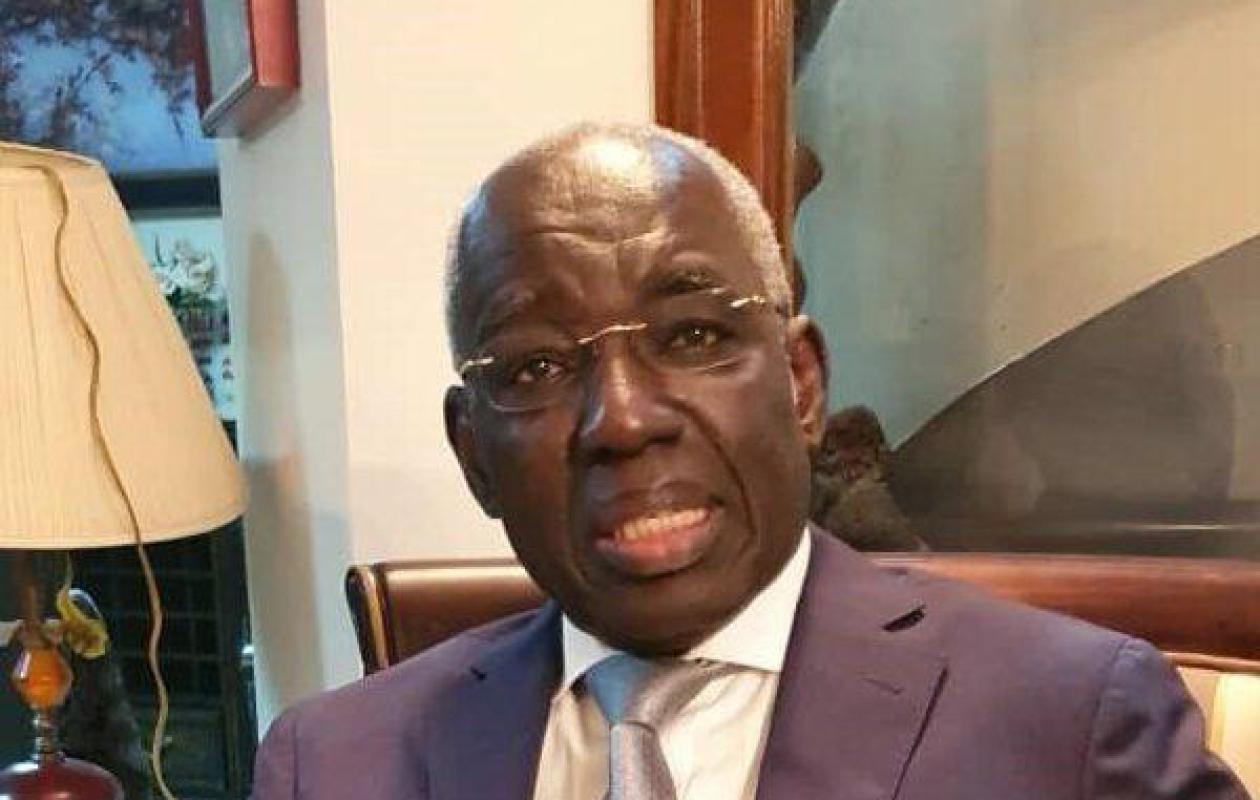
Adama Lam, l’exemple qui interpelle le patronat (Par Abdoulaye Dieng)
In an institutional landscape where leaving is often more difficult than staying, some choices deserve to be applauded. Adama Lam's departure from the head of the National Confederation of Employers of Senegal (CNES) is one of them.
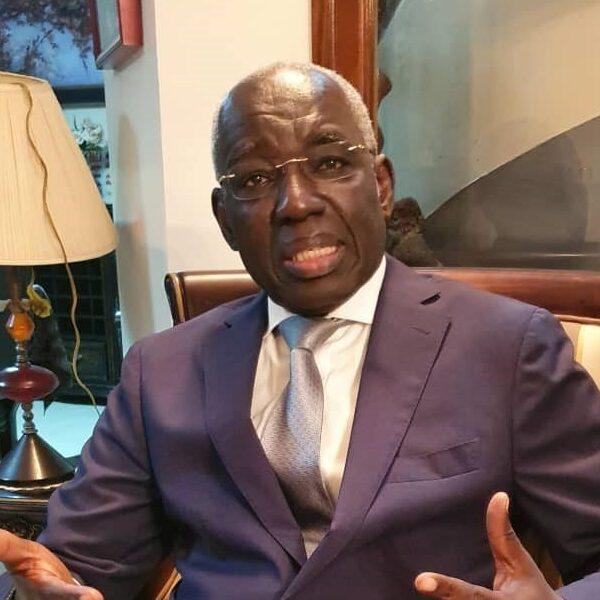
A civil engineer with a strong financial background and a seasoned entrepreneur, particularly in the strategic fishing sector, Adama Lam embodies a generation of builders whose legitimacy rests on experience, rigor, and commitment to the real economy. His appointment as president of the CNES in March 2021 came at a particularly sensitive time, marked by the death of Mansour Cama. In this moment of institutional fragility, his selection was a natural choice. He was unanimously seen as the figure capable of ensuring continuity and preserving a structuring legacy for Senegalese business leaders. But he did not simply ensure a transition: he consolidated, structured, and repositioned the institution.
Under his leadership, the CNES regained visibility, credibility, and a place in the national economic debate. He championed a demanding vision: that of an organized, responsible business community fully committed to the country's economic transformation. His advocacy for closer ties between the CNES and the CNP reflects this desire to overcome fragmentations that had become counterproductive.
Because the reality is there, and it must be acknowledged: Senegalese business leaders remain structurally fragmented, sometimes held captive by sectoral logics or individual interests, at the very moment when the challenges demand coherence, collective strength, and strategic vision. This fragmentation is not without consequences: it weakens their capacity for influence, dilutes their positions, and delays necessary transformations. But it is at the moment of their departure that the full impact of their actions becomes apparent.
In our environment, smooth transitions remain the exception. Too often, responsibilities are prolonged, renewals delayed, and roles end up being indistinguishable from positions to be preserved, to the detriment of the institution. This silent slide weakens our organizations and distances them from reality, even as, in the midst of the economic, social, and generational shifts our country is undergoing, both employers and unions can no longer postpone their transformation: renewal is no longer an option, it is imperative. Refusing this evolution means risking institutions that are increasingly less representative, increasingly disconnected, and ultimately bypassed.
By choosing to prepare for succession and pass the torch with serenity, Adama Lam is taking an action that transcends his own person: he is establishing a norm, that of placing the institution above individuals. Having known him personally, I can attest to this: Adama Lam is a man of great humility, a profound unifier, driven by sincere patriotism and imbued with unparalleled generosity. A discreet but genuine generosity that explains the respect he commands.
His departure opens a new chapter for the CNES. But above all, it opens a dividing line for the entire business community, professional and trade union organizations in our country: between those who will have the courage to evolve, and those who will choose to cling on.
The example is there. It is clear. It is demanding. The question remains: who will have the courage to follow it? Because ultimately, it is not power that elevates a leader, but their ability to detach themselves from it.
By Abdoulaye Dieng, Entrepreneur























Commentaires (9)
Participer à la Discussion
Règles de la communauté
💡 Astuce : Utilisez des emojis depuis votre téléphone ou le module emoji ci-dessous. Cliquez sur GIF pour ajouter un GIF animé. Collez un lien X/Twitter, TikTok ou Instagram pour l'afficher automatiquement.
Se connecter
Commentez avec votre profil, votre photo, et soyez averti des réponses.