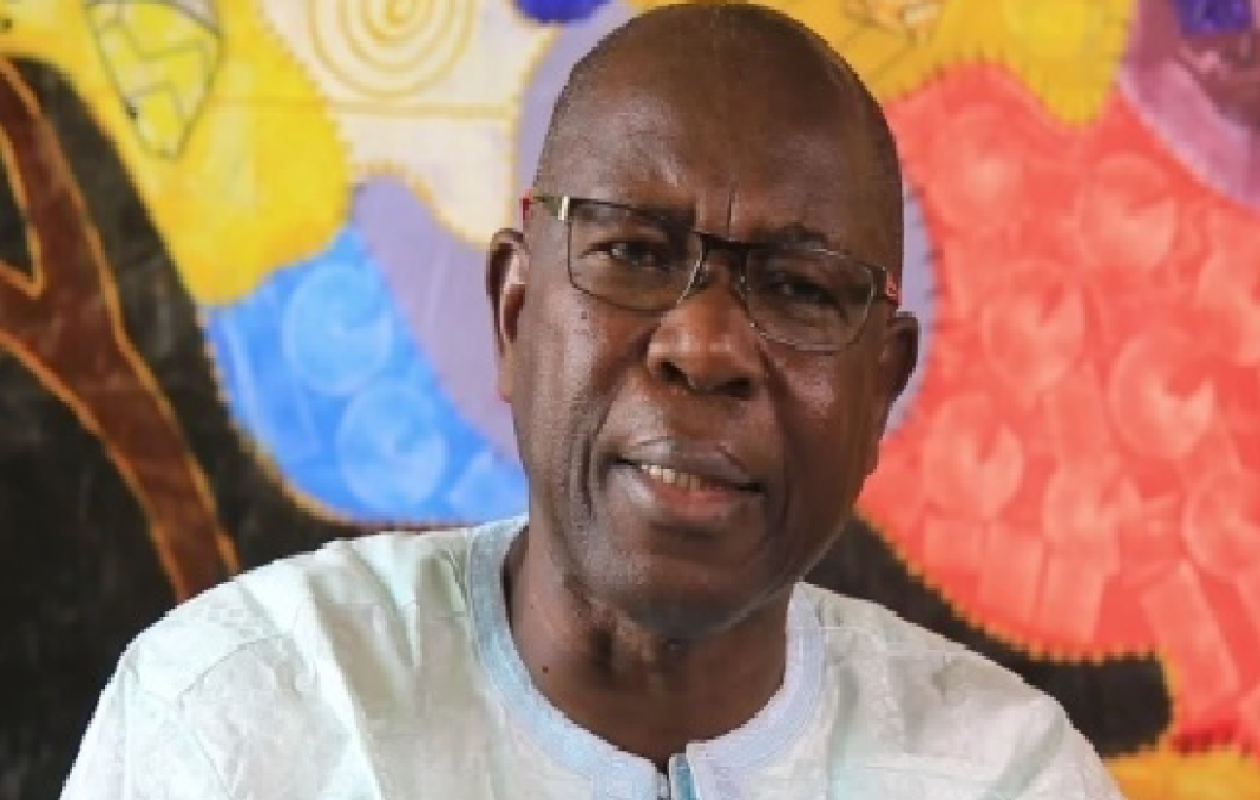
De la cohabitation à la rupture ? (Par Pr. Moussa DIAW, politologue)
The "Diomaye-Sonko" duo emerged as a political innovation within the context of the change that occurred on March 24, 2024, intended to symbolize a political shift and offer a perspective for profound transformations in the art of governing and practicing politics. This "revolution" expressed the aspirations of citizens, the majority of whom were determined to break with a waning political system characterized by partisan management of power. The ultimate goal was to preserve special interests at the expense of the Senegalese people, most of whom faced the harsh realities of poverty and destitution.
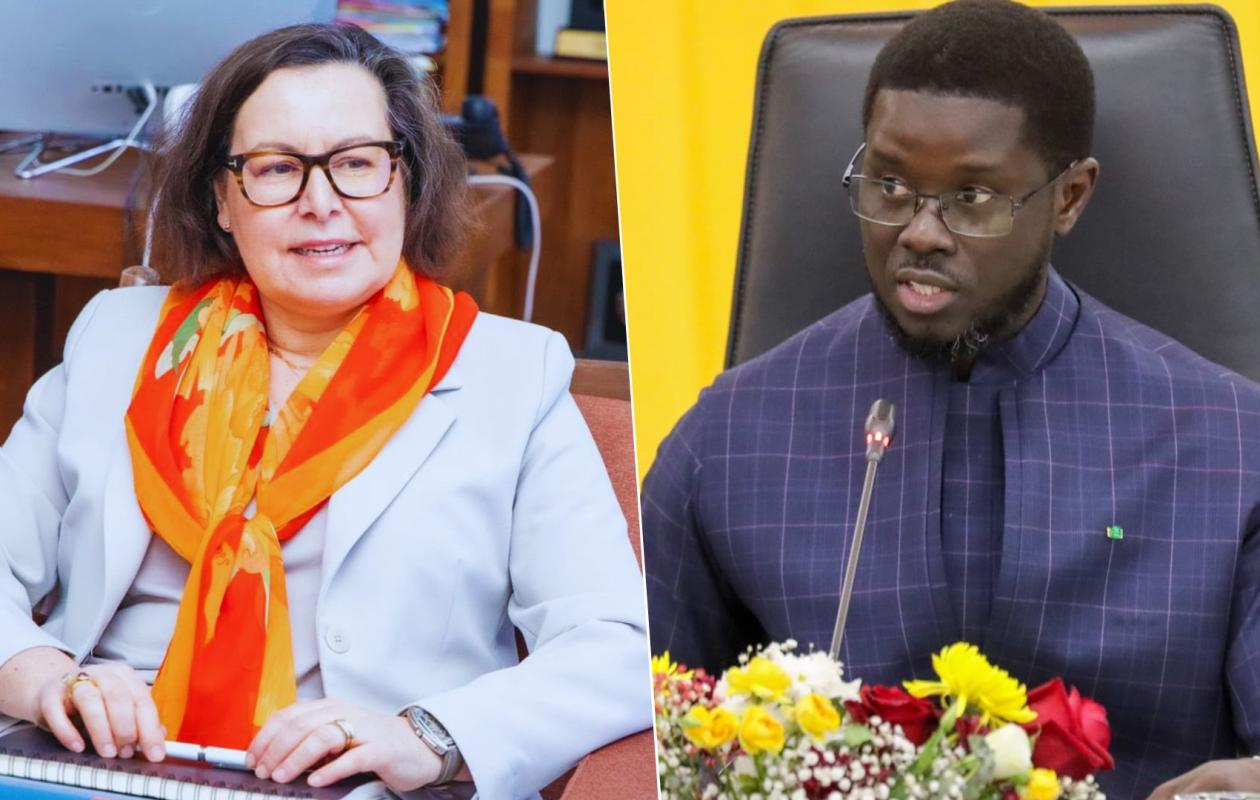
But today, realpolitik, and especially the old demon of the thirst for power and its privileges, has dealt a blow to this duo, which had clearly inspired much hope through its visceral commitment to the political, economic, and social transformation plan. At a time when the country is facing numerous challenges, including a hidden, abysmal debt, a university crisis, budgetary tensions, and a simmering social unrest, President Bassirou Diomaye Diakhar Faye is embarking on a political maneuver by creating a "Diomaye-President" coalition. He intends to use it as leverage for his political ambitions, supported by orientations that seem to signal a change of course, thus distancing himself from his primary party, Pastef, to which he claims allegiance.
How can we analyze this about-face of a man who had resolutely committed himself to systemic transformations, and what impact could it have on the functioning of institutions?
The laudatory speeches of the speakers at the "Presidential Coalition" assembly and the response of President Bassirou Diomaye Diakhar FAYE reveal his true motivations in terms of political calculations and his desire to now align his actions with this coalition, which he intends to open broadly to others without restriction. In other words, he does not rule out recruiting members of the current opposition.
At the same time, President Bassirou Diomaye Diakhar Faye proclaims his affinity with Pastef, finding himself torn between two paradoxical structures. The aim is to provoke a split in order to weaken the party and thus strengthen his political base in preparation for upcoming elections, particularly the 2027 local elections, which he sees as a test for the 2029 presidential election. In any case, President Faye demands greater respectability from the Pastef leader. He no longer refers to the main objectives defined by the majority, which include accountability, the need for investigations to establish responsibility for the deaths of protesters between 2021 and 2024, and good governance to prevent hidden debts amounting to 7 trillion CFA francs.
Despite attempts at clarification, the political landscape remains highly confused, rife with innuendo and historical pronouncements that stray from the true commitment of the real players in the presidential movement. This new stance risks triggering the political comeback of figures implicated in the country's mismanagement. Furthermore, the discredited system could rise from the ashes and destroy all efforts made toward political change. This is, in essence, a fear that pervades the minds of some Pastef party officials, who remain optimistic about a potential political turnaround.
If the break is confirmed in reality by a profound divergence, it is clear that the "soft cohabitation" will become strained as the elections approach. This final stage will impact the functioning of institutions, given that the Prime Minister does not intend to resign, in which case a showdown would be inevitable. The battle will be for control of the National Assembly, practically dominated by Ousmane Sonko's allies. Now, it is up to Pastef and its leaders to provide political responses commensurate with the challenges, so as to spare Senegal a major political crisis.
By Moussa DIAW, political scientist, lecturer-researcher in political science, specialist in international relations.
















Commentaires (5)
Participer à la Discussion
Règles de la communauté :
💡 Astuce : Utilisez des emojis depuis votre téléphone ou le module emoji ci-dessous. Cliquez sur GIF pour ajouter un GIF animé. Collez un lien X/Twitter, TikTok ou Instagram pour l'afficher automatiquement.