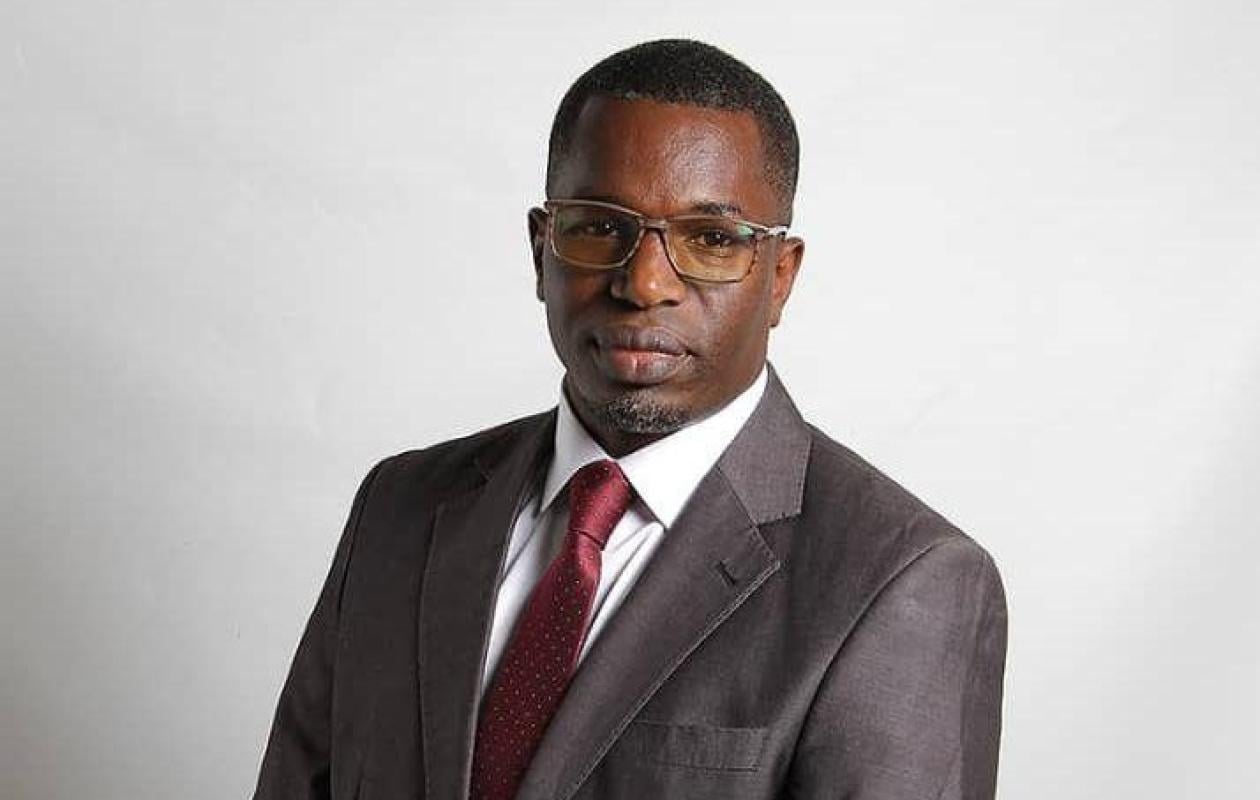
La fragilisation de l’ordre mondial (Par le Pr Moussa Diaw)
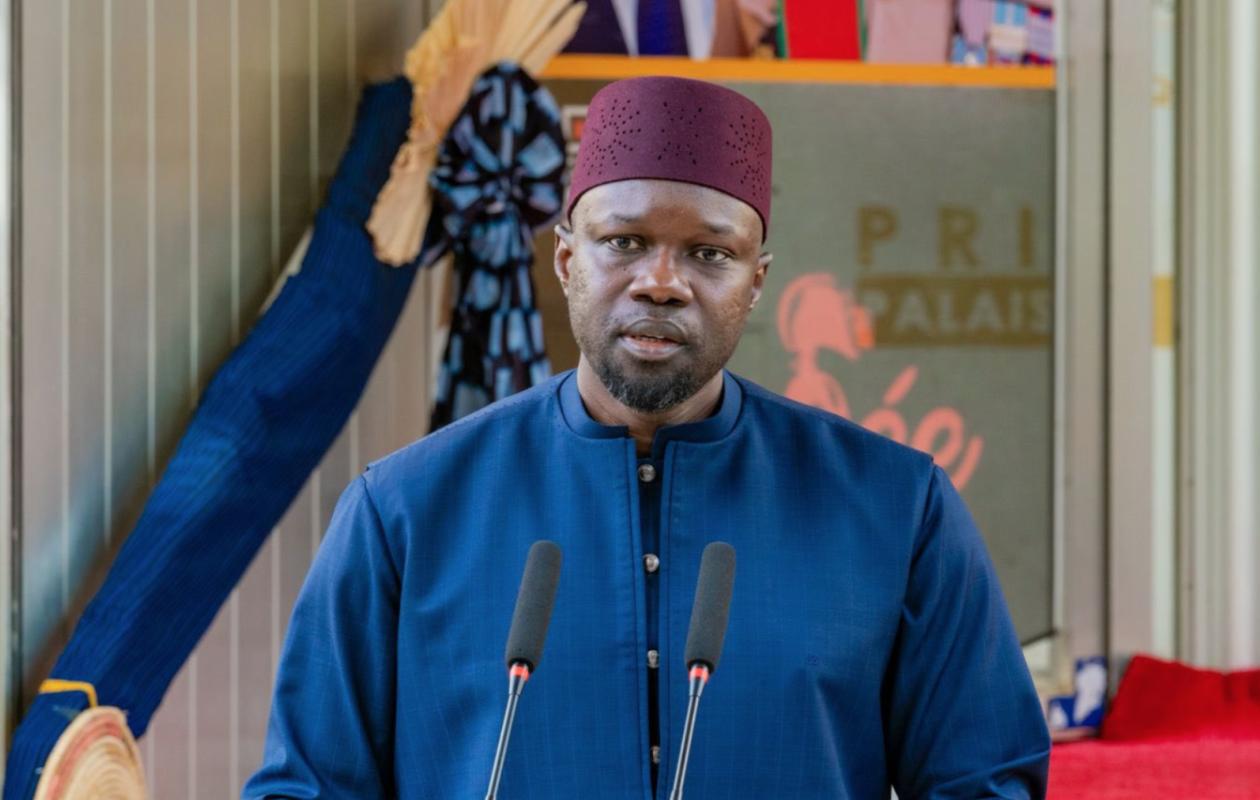
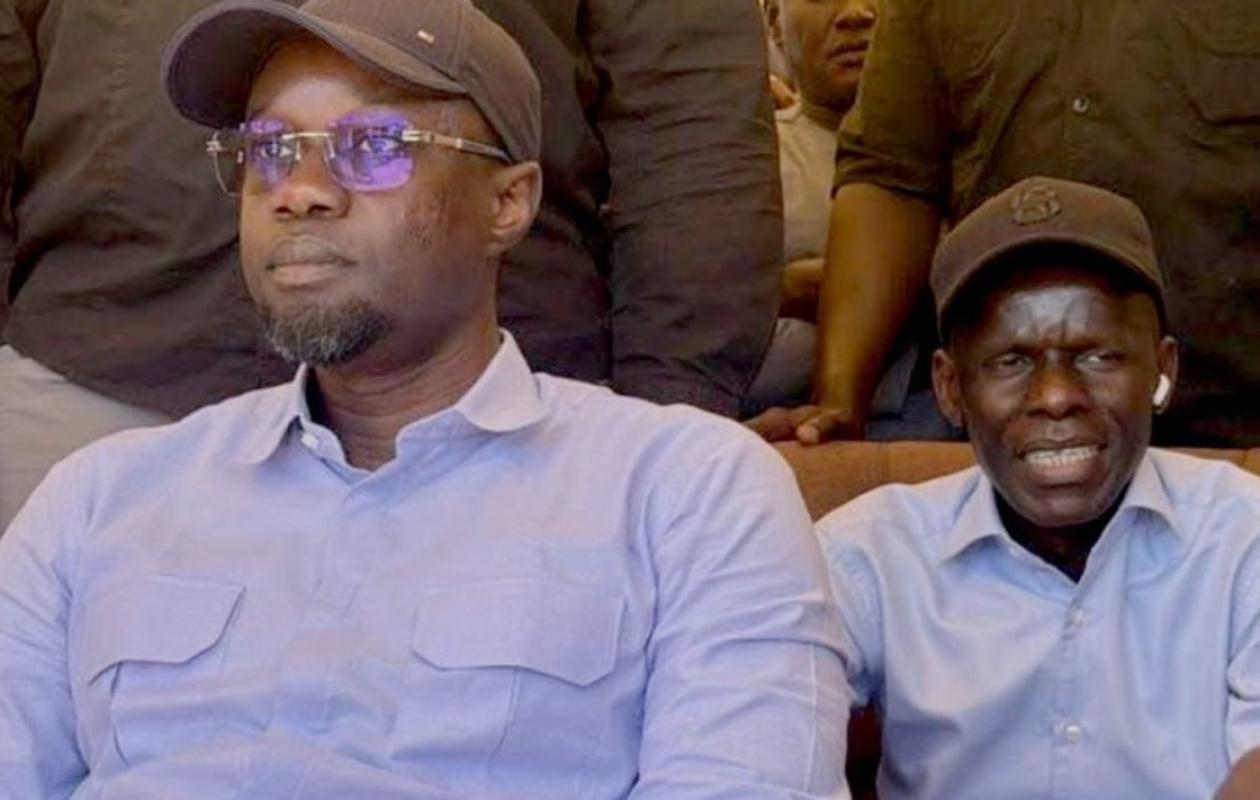
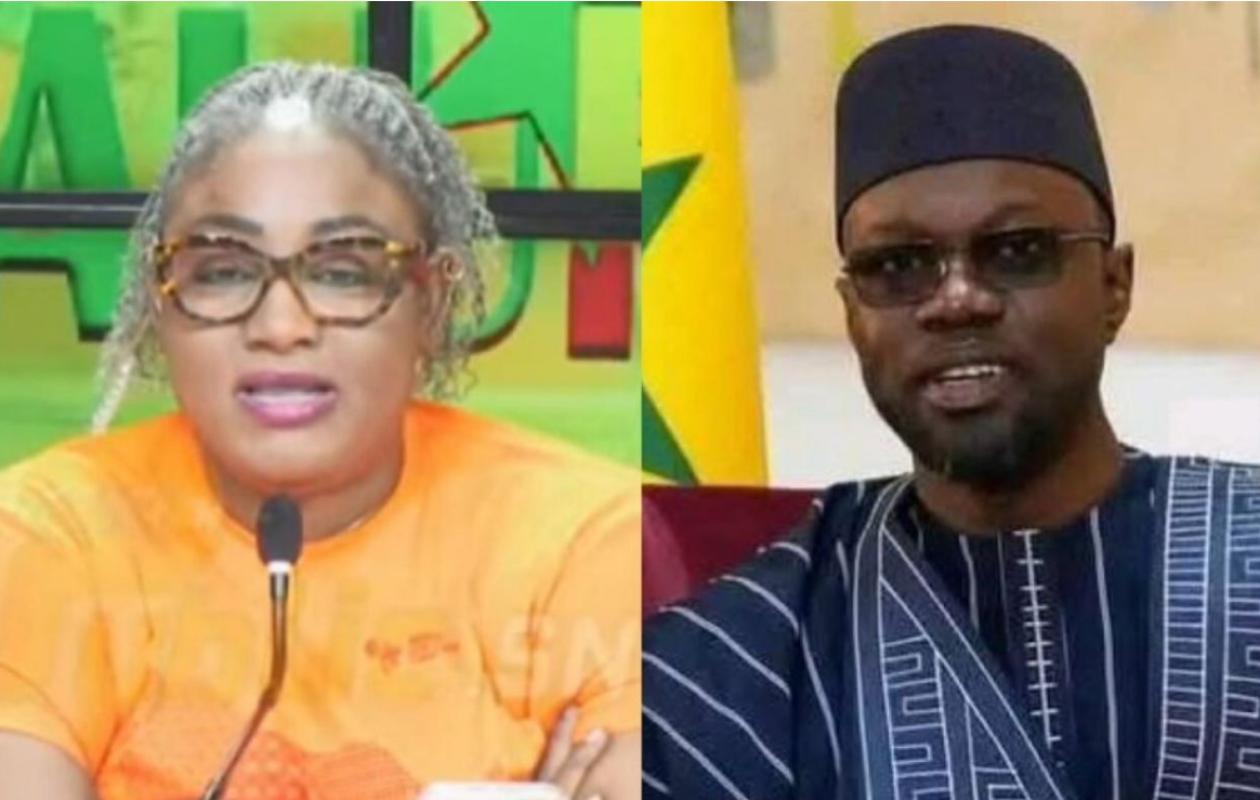
Prime Minister Ousmane Sonko's intervention at Pascal Boniface's conference on sovereignty sparked considerable reaction. Some did not hesitate to condemn his remarks regarding his analysis of the international system, arguing that the American president is not a peacemaker but rather a "destabilizer of the world." This observation reflects the reality of an international system dominated by the disproportionate use of force in the service of geopolitical ambitions or national interests. The Prime Minister, in his capacity as a political leader, like any other observer, is reacting to the current dynamics of international relations, where power seems to be prioritized in interactions between states.
Indeed, classical realist theorists, such as Thomas Hobbes, Raymond Aron, and Morgenthau, based their analyses on the preponderance of state actors backed by military power to defend specific interests. However, what is important in their ideas is that they noted the anarchy that characterizes the global space and the existence of conflict linked to power rivalry in the pursuit of domination or influence. The configuration of new international relations reinforces the relevance of the realist approach, even if it is necessary to qualify it by taking into account the plurality of actors and the realignment within this space.
It must be acknowledged that since the end of the Cold War the world order has undergone substantial changes which opened up prospects for multilateralism, especially as the unipolar world order has clashed with regional realpolitik, as seen in the situations in Iraq and Afghanistan where the American hyperpower has shown impotence.
Today, the USA, led by Donald Trump, appear as the major disruptors of the world order by trampling on international law through outlandish actions such as the kidnapping and imprisonment of the Venezuelan head of state, but above all the declaration of war against Iran.
What is the attitude of other actors and observers in the international system?
Should we remain silent and keep a low profile in the face of the verbal excesses of this man, who lacks any sense of proportion and is fond of provoking his African and European peers? Moreover, he didn't hesitate to call Africa a "shithole continent" when another condescending individual considered that it "has not entered into history."
It is true that Africa is marginalized and fragmented, and therefore cannot play a significant role in the global arena, dominated by globalization and the hegemony of power. It is essential to recognize the need to build collective dynamics through processes of economic, monetary, and social integration. This union of forces remains indispensable if the continent wishes to escape underdevelopment, make its voice heard in the international community, and command respect. However, the crucial question is whether the continent has leaders capable of driving initiatives that can address these challenges with an uninhibited spirit, committed to the principles of sovereignty and continental interests.
Hope rests on the shoulders of young leaders committed to the crucial changes needed to redistribute wealth to the benefit of African populations suffering from poor governance and the abuse of power. Meanwhile, the global landscape resembles what Thomas Hobbes called the "state of nature," that is, a display of force and power in the absence of a legitimately recognized authority to restore and guarantee order and security. In this regard, the most troubling observation is the disturbing silence of the United Nations, which has proven itself overwhelmed by the turmoil in the world order, highlighting its inability to regulate and enforce a lasting peace.
Now, the confrontation has shifted from economics and trade to geostrategic rivalry between powers. The American decision to intervene with a naval blockade of the Strait of Hormuz will not go unanswered by emerging powers like China and India, as the economic and energy stakes are considerable. No country can escape the consequences of this unilateral action. The international balance of power could lead to a search for consensus that would facilitate the establishment of a new world order.
By Moussa DIAW, political scientist, specialist in international relations.






Commentaires (4)
Participer à la Discussion
Règles de la communauté :
💡 Astuce : Utilisez des emojis depuis votre téléphone ou le module emoji ci-dessous. Cliquez sur GIF pour ajouter un GIF animé. Collez un lien X/Twitter, TikTok ou Instagram pour l'afficher automatiquement.