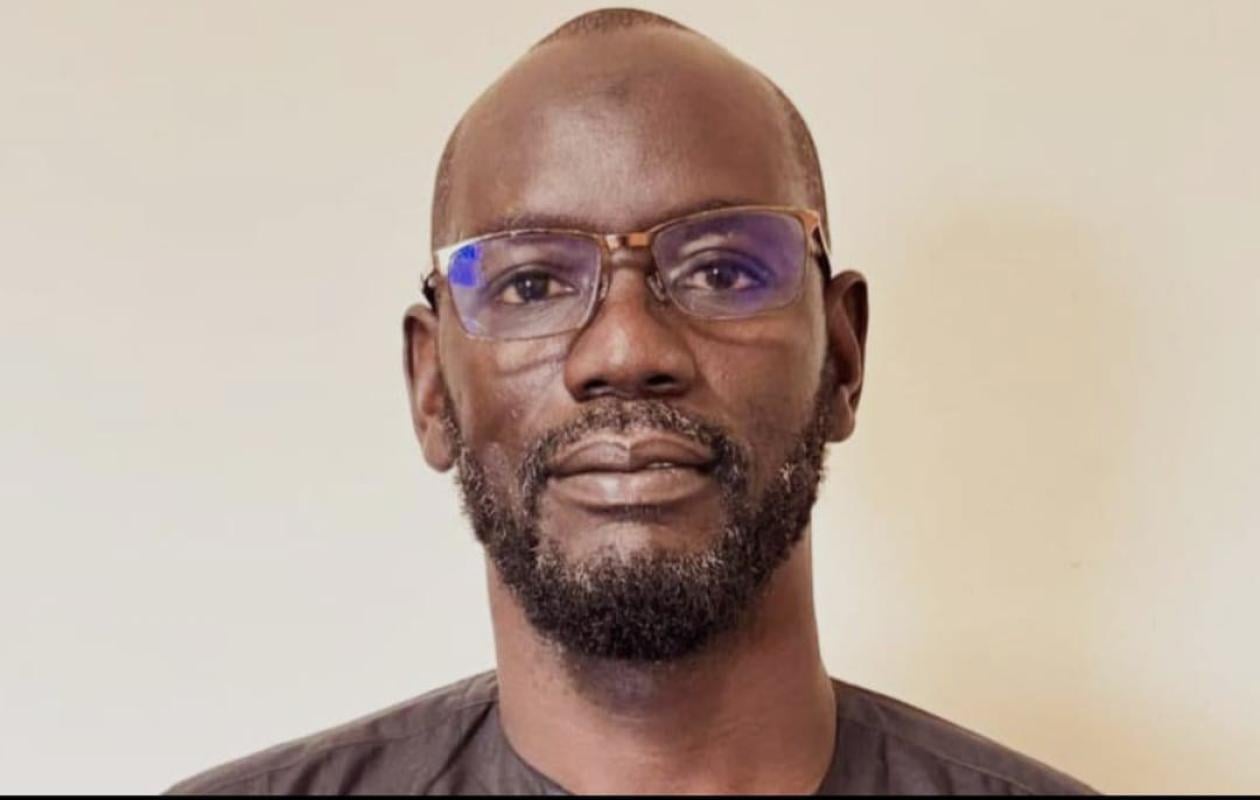
Le Sénégal face au paradoxe financier entre dégradations internationales et performances régionales , ( Par Dr Serigne Momar SECK )
Senegal is currently experiencing a financial period characterized by a striking contrast between, on the one hand, successive downgrades of its sovereign credit rating by major international rating agencies, and, on the other hand, positive momentum in the regional financial market where investors continue to place remarkable confidence in the country. This paradox raises essential questions about how national economic realities are perceived and assessed, as well as about the structural challenges the state must overcome to restore a stable and sustainable financial trajectory.
Since October 2025, international ratings have deteriorated significantly. Moody's downgraded Senegal's sovereign rating to Caa1, justifying this decision with an estimated budget deficit of 14% and public debt representing 119% of GDP. According to the agency, these indicators create a tangible risk of liquidity stress and weaken the country's refinancing capacity. A few months later, in March 2026, S&P Global Ratings followed the same trend, downgrading the local currency rating to CCC+/C, with a negative outlook, citing the lack of significant progress in securing multilateral support that could alleviate fiscal pressures. In market terms, this signifies a high risk of default, acute vulnerability to external shocks, and a strong dependence on global financial conditions and the availability of concessional financing. For the Senegalese authorities, these ratings reflect neither the structural robustness of the economy nor the reforms undertaken, particularly in debt management and budget transparency. They criticize a partial interpretation of the fundamentals, a lack of contextualization of regional dynamics, and an underestimation of the ongoing recovery efforts.
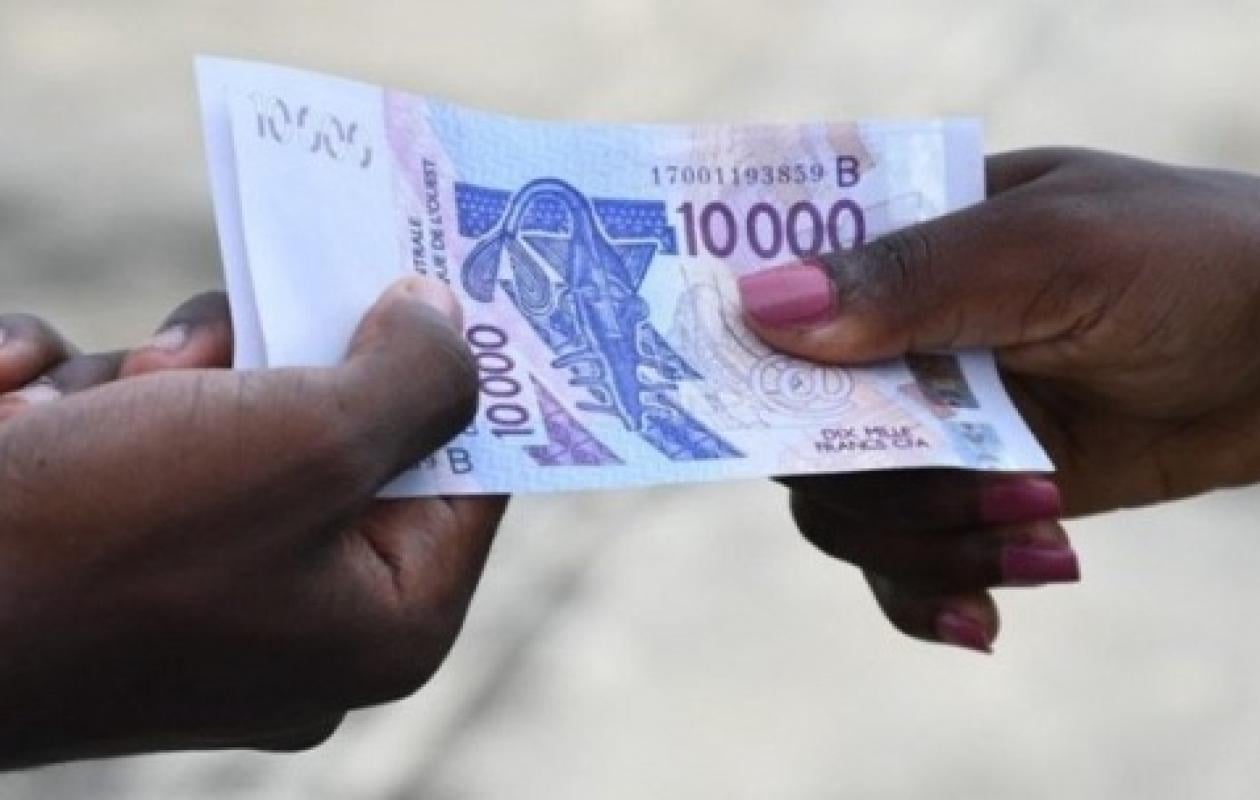
Paradoxically, at the very moment when sovereign ratings are being downgraded, the State of Senegal is posting exceptional performance on the regional financial market. In 2025, it raised over 4,004 billion CFA francs on the WAEMU market, reflecting the continued confidence of regional stakeholders. More recently, during the first quarter of 2026, the State launched its first Public Offering of the year, aiming to raise 200 billion CFA francs. Against all expectations, the operation was oversubscribed by 152%, raising 304.15 billion CFA francs. Investors, including banks, businesses, individuals, and members of the diaspora, responded overwhelmingly. This success demonstrates that Senegal's financial standing retains significant credibility in the region, and that economic actors continue to believe in the State's ability to repay its debts and in the medium-term viability of its economy.
However, this growing dependence on the regional market cannot be a sustainable strategy. Interest rates remain relatively high, maturities are still limited, and the frequency of issuances places the country in a situation of perpetual debt renewal, often referred to as a rollover. This mechanism, while effective in the short term for meeting cash flow needs, can, in the medium term, trap the country in a spiral of over-indebtedness that is increasingly difficult to control. It also reduces fiscal space, as a growing share of public resources is absorbed by debt servicing, to the detriment of structural investments, social programs, or support for the productive sector. When nearly a quarter of public revenue is devoted to debt repayment, the state's capacity to stimulate growth, modernize infrastructure, or support households is logically weakened.
One of the major causes of this situation is the discovery of a significant stock of undeclared debt inherited from the previous government. The public disclosure of this multi-billion dollar "hidden debt," while intended as part of a transparency initiative, had an immediate impact on markets and rating agencies. In a context already marked by macro-financial tensions, this announcement was interpreted as a sign of vulnerability, contributing to a reassessment of Senegal's risk profile. This episode also highlighted certain structural challenges related to public financial engineering, particularly regarding the active management of the debt portfolio, the management of derivative instruments such as Total Return Swaps, and the ability to anticipate the sometimes rapid and amplified reactions of international markets. The use and supervision of complex financial mechanisms require robust processes, both analytically and operationally, to ensure optimal control of sovereign risks. Furthermore, this situation underscores the importance of strengthened oversight of public financial communication. In an environment where investors react sensitively to information, the dissemination of uncontextualized information or information lacking prior impact analysis can induce additional tensions on the perception of sovereign risk and generate potential costs for the State.
To emerge from this period of turbulence and restore a sustainable financial trajectory, Senegal must undertake a profound transformation of its public financial architecture. Strengthening national capacities in debt management and financial governance is becoming increasingly urgent. A relevant solution would be the establishment of a national Task Force, composed of high-level experts from within the country and the diaspora—experts who have worked at the IMF, the World Bank, the AfDB, ECOWAS, or WAMA—including macroeconomists, specialists in international financial institutions, regional market analysts, and experts in data science applied to sovereign risk. This agile and technically skilled team could steer the debt stabilization strategy, negotiate targeted restructurings, optimize the existing portfolio, model prospective scenarios, and anticipate future tensions. It would be a responsive body, independent of immediate political considerations, with a clear mandate: to restore the country's financial sustainability and credibility.
In the same vein, a substantial strengthening of the Debt Directorate's capabilities appears essential to meet the growing demands of modern sovereign debt management. Beyond its traditional missions, this Directorate would benefit from integrating a highly specialized unit dedicated to advanced financial engineering. This unit could bring together experts in stochastic modeling, the structuring of complex financial instruments, structural swaps, the analysis and management of Total Return Swaps, and multi-scenario optimization. The objective would not be limited to the operational management of the existing portfolio, but would also aim to anticipate future risks, simulate macro-financial shocks, and equip the State with modern management tools capable of providing an integrated, dynamic, and forward-looking view of sovereign debt. Such a system, based on international best practices in public debt management, would significantly strengthen the country's capacity to absorb shocks, optimize its financing costs, and consolidate the confidence of its financial partners.
Financial communication, often hampered by the constraints of speed and complexity, would benefit from being more structured and anticipated. Every public announcement, especially those concerning debt, deficits, or international financial commitments, must be preceded by rigorous verification, consolidation of figures, and a thorough analysis of its potential impact on the markets. Improvisation is no longer an option in an environment where a poorly worded statement can instantly trigger interest rate hikes, rating revisions, or a loss of investor confidence.
Finally, the creation of a Senegalese Sovereign Risk Observatory would be a major step forward. This independent, scientific institution would be tasked with producing a quarterly bulletin on the country's sovereign risk, anticipating tensions, engaging directly with rating agencies, and improving Senegal's visibility on international markets. Such a tool would strengthen the country's credibility while addressing the current shortcomings in forward-looking analysis and communication strategy.
In short, Senegal finds itself at a crossroads. While the positive signals from the regional market are real and encouraging, they cannot mask the structural vulnerabilities highlighted by international agencies. The current period could be seen not as a crisis, but as an opportunity to profoundly transform the foundations of the country's financial governance. If the necessary reforms are undertaken with determination, Senegal could not only restore its credibility in international markets, but also build a modern, robust, and resilient financial architecture capable of supporting its economic ambitions for decades to come.
Dr. Serigne Momar SECK
Economist, Expert in financial and monetary policies













Commentaires (3)
Participer à la Discussion
Règles de la communauté :
💡 Astuce : Utilisez des emojis depuis votre téléphone ou le module emoji ci-dessous. Cliquez sur GIF pour ajouter un GIF animé. Collez un lien X/Twitter, TikTok ou Instagram pour l'afficher automatiquement.