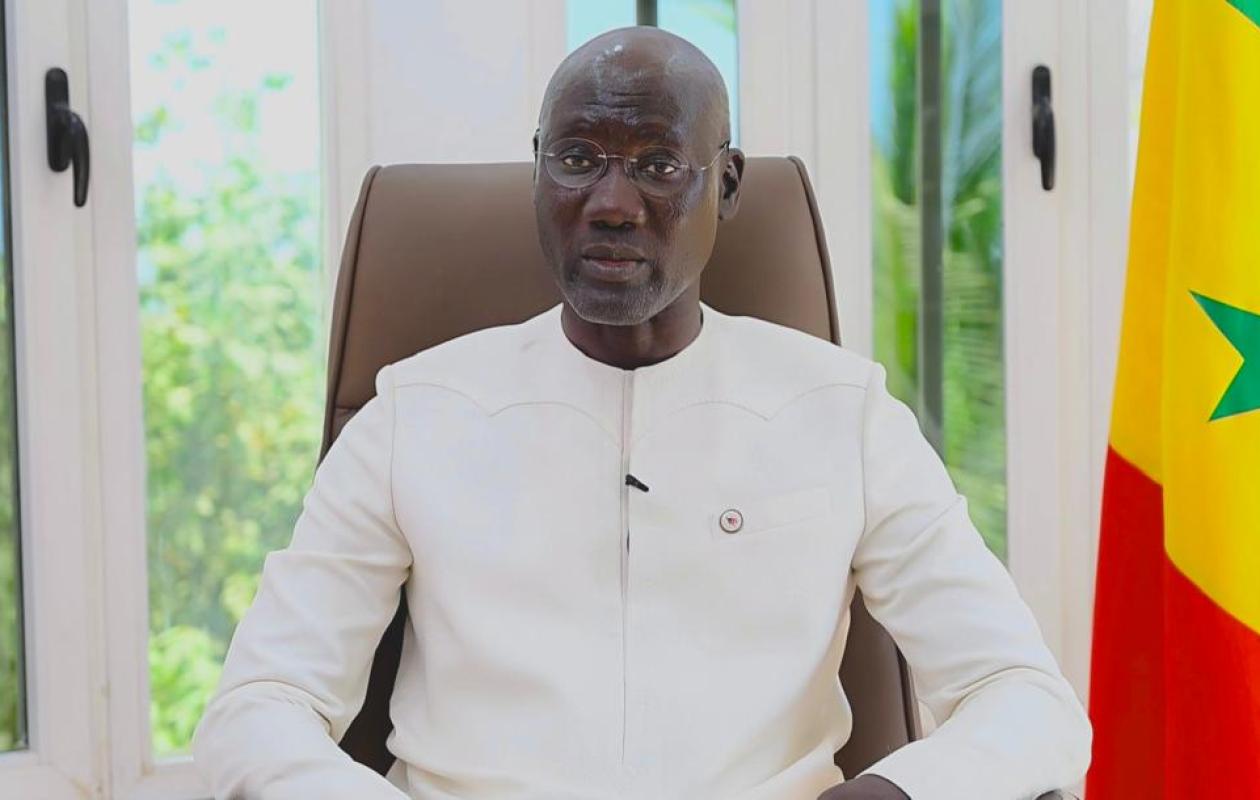
Macky Sall à l’ONU : Le discours de l’audition ou l’art de dire l’inverse de ce qu’il est et de son bilan à la tête du Sénégal (Mamadou Ibrahima FALL)
During his hearing at the United Nations, Macky Sall outlined a vision based on dialogue, trust, and moral authority. But as his words became more prominent, the blatant contradictions further tarnished what he perceived as an illegitimate ambition.
The man who must first answer to Senegalese and international justice is neither a man of dialogue, nor a custodian of his country's trust, much less a moral authority.
The rhetoric versus the facts
Before the member states of the United Nations, Macky Sall defended a plan to "restore trust," "strengthen moral authority," and "promote dialogue." This statement stands in stark contrast to the past actions of the man who now presents himself as a paragon of virtue. This rhetoric of consensus and de-escalation stands in direct contradiction to a practice of power in Senegal characterized by confrontation, restrictions on freedoms, and the systematic pressure exerted on the opposition.
The hearing thus revealed a stark contrast and a glaring paradox: promoting trust after having undermined it. At the heart of his argument, Macky Sall claims to want to "rebuild trust between member states." But how can one claim to rebuild on a global scale what has been weakened at the national level? The broken promises, documented by a dismal political record in Senegal, have profoundly damaged the credibility of his leadership. Yet, the role of Secretary-General is not based on institutional authority but on personal trust, which can be built or lost.
The moral authority invoked, but never demonstrated
Macky Sall insists on the need to strengthen the UN's "moral authority," but this authority cannot be decreed through a program. It is necessarily measured by the record of the person who claims to embody the institution. Yet, the episodes of repression of demonstrations, the loss of life, the mass arrests, and the circumvention of rulings by the African Court of Human and Peoples' Rights directly call this claim into question.
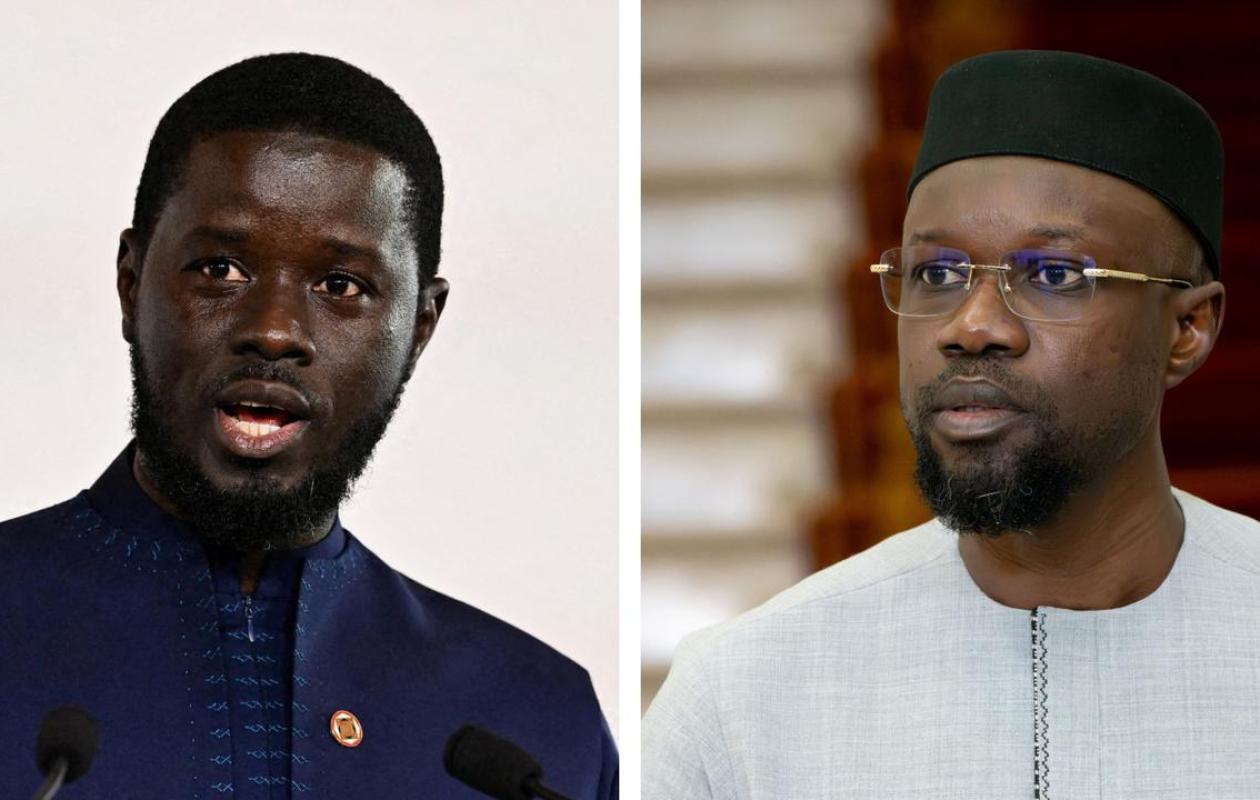
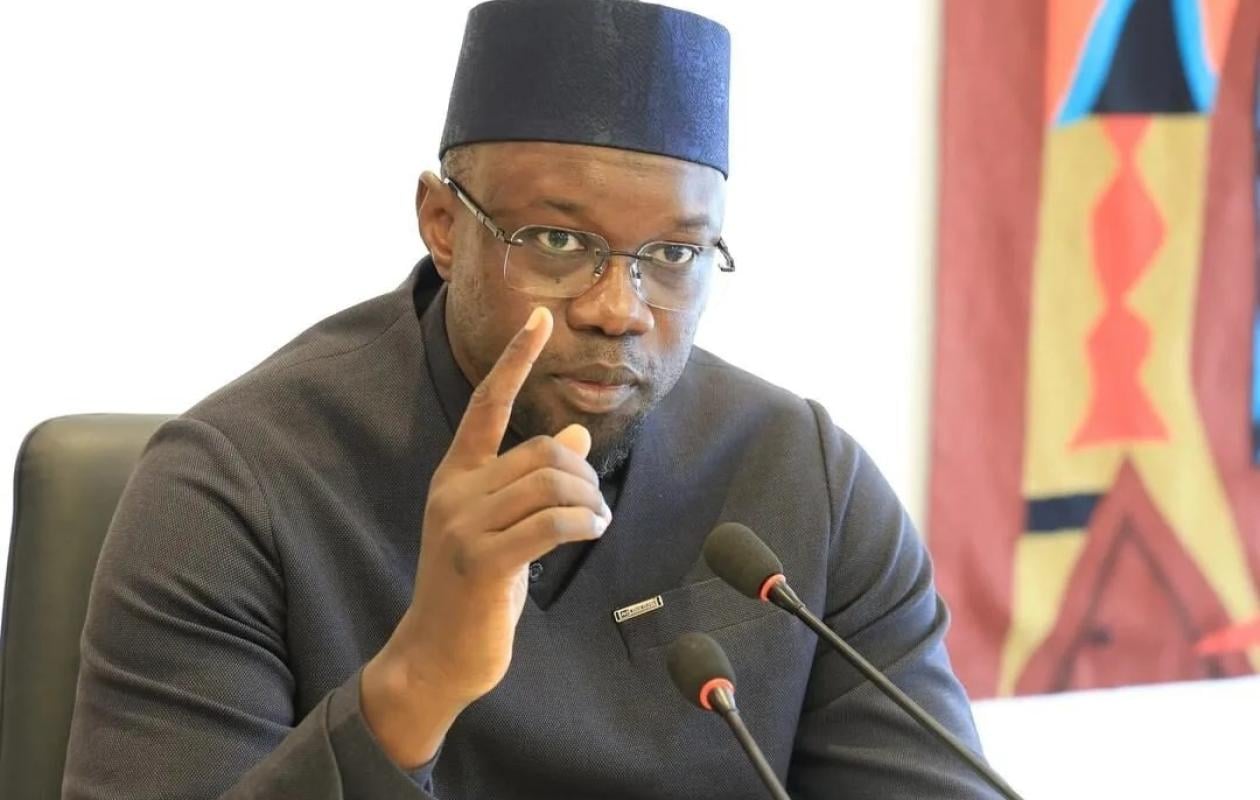
At this level of responsibility, we are faced with what, beyond mere weakness, stems from a structural incompatibility rooted in a disastrous national record. The cases of Karim Wade and Khalifa Sall initiated a cycle of political disqualification. The case of Ousmane Sonko was its culmination: arrests, party dissolution, and violent repression. Far from building bridges, a coherent strategy of fragmentation and weakening of the opposition was implemented through isolation, ineligibility, and division, all to consolidate the power of an aggressive political machine.
A shaky African rallying cry
In this context, the public support of certain states, which barely conceals a patchwork of attempts at political maneuvering, lends this candidacy a veneer of political weight. But it also reveals its limitations. For a diplomatic majority cannot erase a minority of facts. It cannot transform a contested record into an exemplary one. In other words, what politics consolidates, ethics continues to judge.
After a hearing that resembled a public speaking exercise, it's worth remembering that the position Macky Sall is seeking requires a certain embodiment of values. And when a candidate is forced to list, point by point, the principles he failed to uphold in his own country, the question is no longer whether he is competent. The question is whether he is credible. And at this point, the answer is unequivocal: No! No! No! A resounding no. Because Macky Sall's arrival at the UN would be a global disaster.
Mamadou Ibrahima FALL
Economic Diplomacy Advisor
International negotiator
Citizen








Commentaires (10)
Participer à la Discussion
Règles de la communauté :
💡 Astuce : Utilisez des emojis depuis votre téléphone ou le module emoji ci-dessous. Cliquez sur GIF pour ajouter un GIF animé. Collez un lien X/Twitter, TikTok ou Instagram pour l'afficher automatiquement.