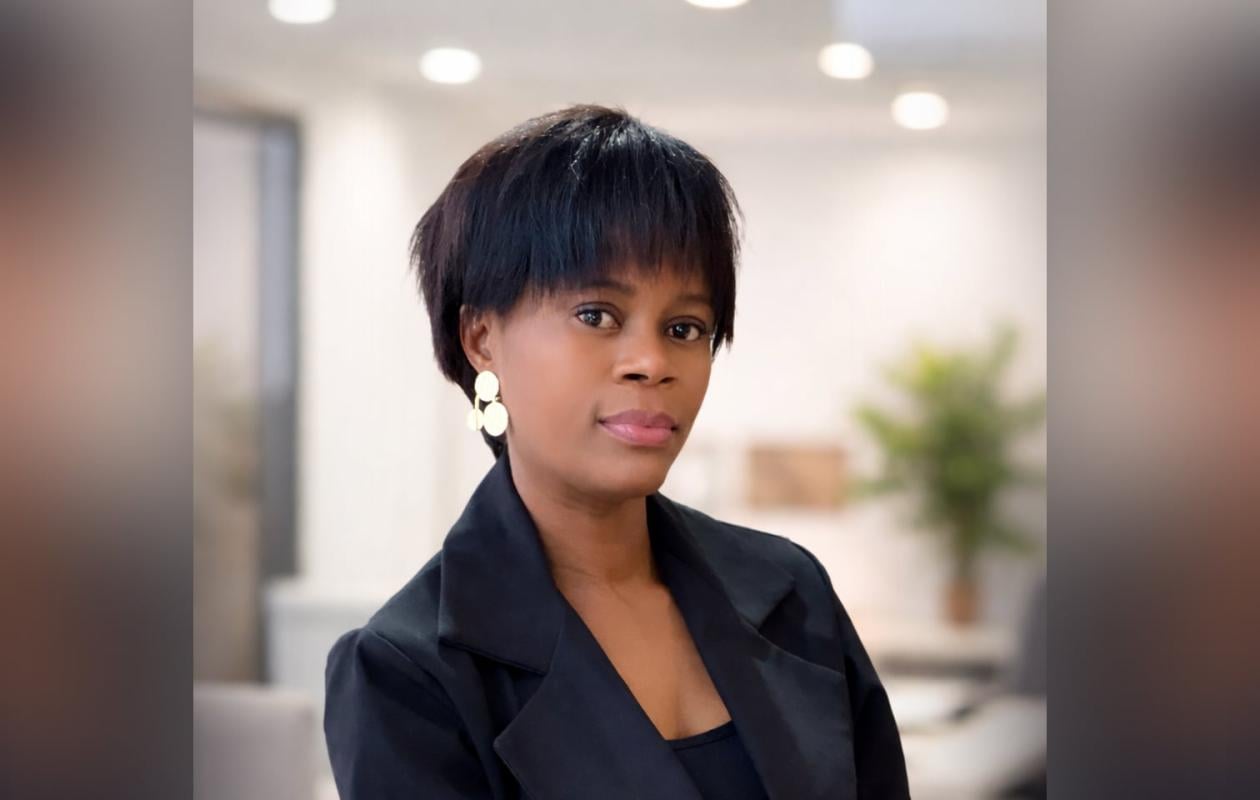
Macky Sall au poste de Secrétaire général de l’ONU : enjeux géopolitiques et gouvernance mondiale (Par Mama TOURE)
Macky Sall's candidacy for the position of Secretary-General of the United Nations is taking place within a context of reshaping international power dynamics. It highlights the tension between political legitimacy, the logic of regional rotation, and the power dynamics within the Security Council.
A former head of state committed to global issues such as development financing, climate change, and regional stability, Macky Sall possesses strengths comparable to those of several of his predecessors. His profile fits the classic profile of a Secretary-General: an experienced leader capable of engaging in dialogue with both major powers and developing countries.
However, his candidacy goes beyond the individual. It is part of a broader demand: for better representation of Africa in global governance bodies. The continent, directly affected by many of the challenges of the 21st century, remains underrepresented in international decision-making centers.
The process for appointing the Secretary-General is both institutional and political. While the UN Charter sets out the rules, reality reveals the decisive influence of the major powers, which hold the right of veto. In this context, informal rules, such as regional rotation, shape the choices. The notion that Latin America could be given priority for the next appointment illustrates this influence, even though no law mandates it.
Added to these dynamics are the current debates on gender representation. The pressure to have a woman lead the UN is redefining selection criteria, but also raises the question of reconciling gender equity with regional representation. In a system dominated by power dynamics, these criteria sometimes risk becoming mere variables for adjustment rather than genuine principles.
Ultimately, Macky Sall's chances do not rest solely on his qualifications. They depend primarily on his ability to reach a compromise acceptable to the major powers. The United States, China, Russia, France, and the United Kingdom play a central role in this process.
The lack of a clear consensus among African states also weakens the continent's bids. Without strategic coordination, it is difficult to compete with more structured diplomatic blocs.
Beyond the individual case, this candidacy raises questions about the limitations of the current system of global governance. It reignites debates on the transparency of the selection process, regional representation, and reducing the influence of the veto. Macky Sall's candidacy highlights the need for a more inclusive multilateralism and poses the central question: what place does Africa have in the global decision-making architecture?
Mama TOURE
Head of International Affairs
Development – Bilateral Cooperation








Commentaires (8)
Participer à la Discussion
Règles de la communauté :
💡 Astuce : Utilisez des emojis depuis votre téléphone ou le module emoji ci-dessous. Cliquez sur GIF pour ajouter un GIF animé. Collez un lien X/Twitter, TikTok ou Instagram pour l'afficher automatiquement.