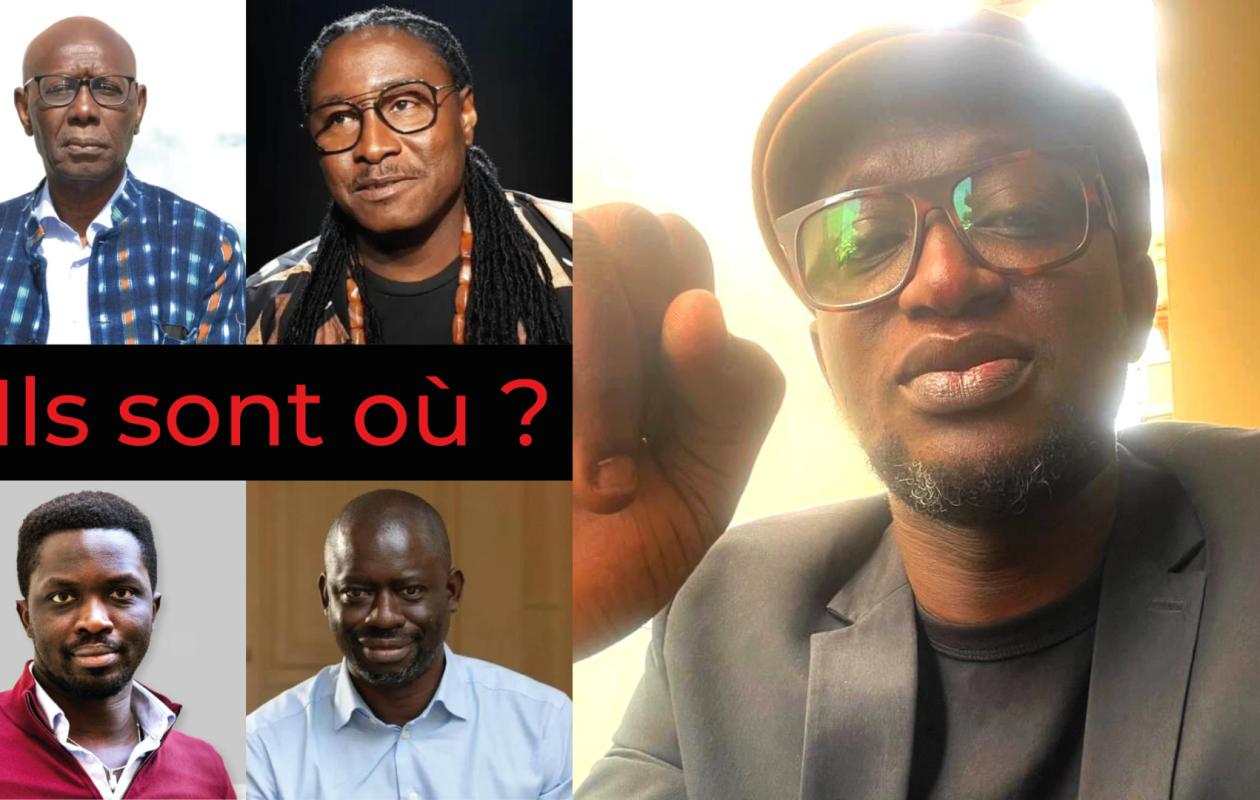
Mbougar, Felwin, Boris, Awadi c’est la dérive à Galsen. Sortez, votre silence est complice ! (par Alioune Badara COULIBALY)
Where have they gone? This isn't just a simple question. It's become a refrain, a recurring theme for many Senegalese, who are now searching for the trail of the petitioning academics, intellectuals, and artists who were regular contributors to the newspapers. We had grown familiar with these writers, these sharp and outspoken authors, staunch defenders of the opposition at the time. Before the rise of the Jub Jubbel Jubanti movement, the national media were abuzz with writings from these prominent citizens, whom no one could suspect of bias. These were scathing publications, designed to pillory President Sall's actions. Felwin Sarr, Boubacar Boris Diop, and Mohamed Mbougar Sarr, on one side; the petitioning academics, on the other; and also the artist, singer-songwriter Didier Awadi, amidst this plethora of contributions.
These articles and letters all shared a common goal: to paint a less than flattering picture of the outgoing regime. To what end? With hindsight, and considering how things have unfolded in the country, one can't help but suspect a coordinated effort by this intellectual elite and the singer to hasten President Sall's downfall. It was a veritable campaign to demonize and destroy the legacy of a man who, without a doubt, contributed more to the country's socio-economic development than any of his predecessors.
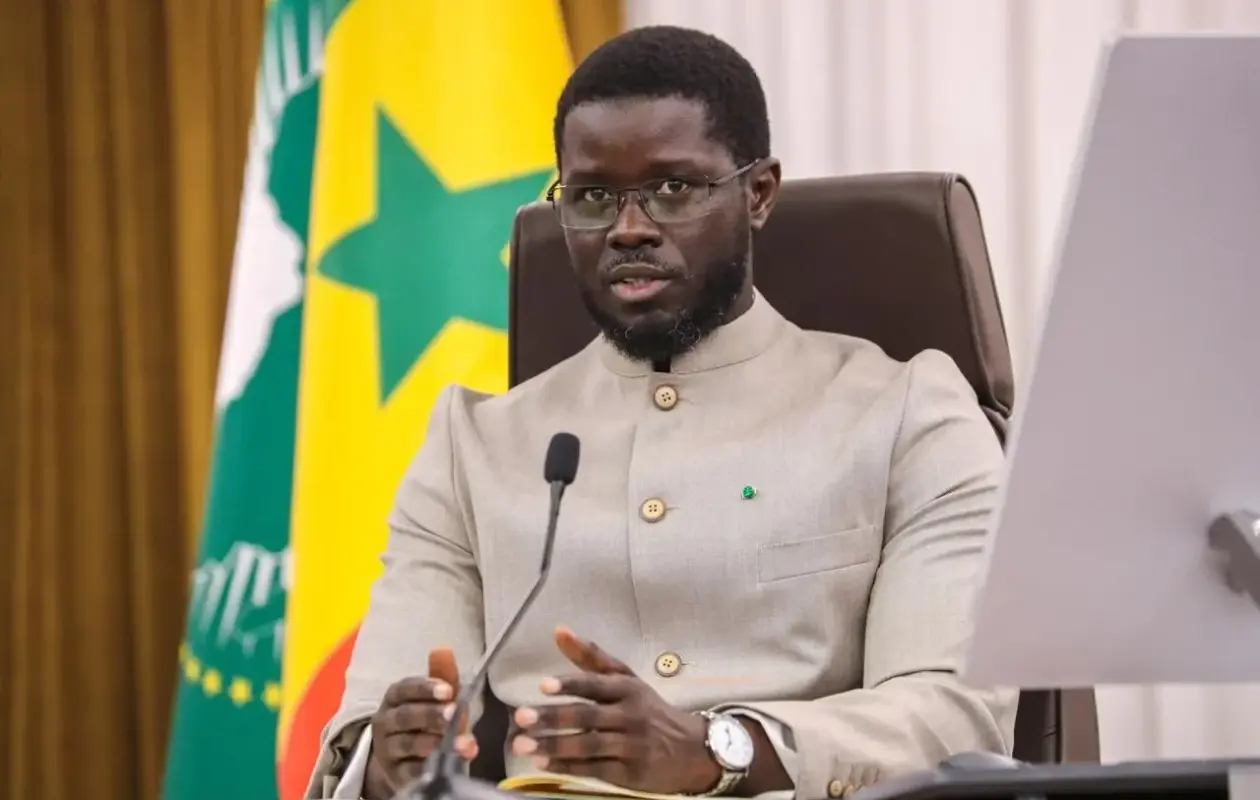
If we are struck today by the strong media presence of these great cultural figures of the time, it is primarily due to the fact that since the installation of the new regime, we no longer hear from them on matters of national interest. They all seem to be keeping quiet, as if forbidden to speak out. Complicit silence? Do they believe that everything is functioning normally? That the country has made great strides since falling into the hands of the Diomaye-Sonko duo? That no one has died at the university and that freedoms were not violated during the recent student protests? That the marketing of peanuts, horticultural products, etc., is going smoothly? That the rate of debt and the interest rates applied to our country are sustainable? That freedoms are not restricted? That there is no fratricidal war raging at the highest levels of the state?
For less than this spectacle we have been witnessing for two years, the essayist Boubacar Boris Diop, the philosopher Felwine Sarr and the Goncourt Prize-winning writer Mohamed Mbougar Sarr stood up against a "political climate poisoned by presidential hubris and a brutal closure of the political space".
In itself, it wasn't a bad thing to attract attention, to participate in the public debate and side with the people. Unfortunately, it was just a smokescreen on their part. They were participating in the opposition's plan. Otherwise, why, after two difficult years of the new regime, do they still remain silent, never taking a stand for justice and remaining
alongside the citizens, for the truth in all circumstances.
Are Mbougar, Boris, and Felwin guided solely by a patriotic conscience and their only reference point the truth? Their truth, in our eyes, does not seem to be the one shared by everyone. It appears to be applied selectively. Instead of courageously, impartially, and calmly naming the ills currently afflicting our Senegal, these three musketeers maintain a deafening and troubling silence. History will remember that these intellectuals, now voiceless, have contributed to strengthening the manipulative and destructive machine of Pastef.
Alongside them, Didier Awadi, a historical figure in Senegalese hip hop, intended to provide ongoing updates to his friend Ndiaye, who lived in Canada. His approach was clearly similar to that of the trio, consisting of narrating the flaws of the political power structure while giving ample space to the opposition. His letters on social media were both humorous and critical. Under the guise of a feigned detachment from the political arena, Didier Awadi had thus found, through his correspondence with Ndiaye in Quebec, a relevant way to make his voice heard on behalf of the voiceless. Except that this voice was silenced as soon as the regime changed. Why? Is Ndiaye no longer alive? Was the rapper on a mission? The reality today is that all those who once railed against Macky Sall's administration have become voiceless, despite all the difficulties facing the Senegalese people.
While we wait for all these luminaries to decide to take up their pens again for the benefit of the Senegalese people and their interests, the focus is on President Macky Sall's candidacy for the position of UN Secretary-General. Will they support him? This would naturally amount to supporting Senegal and Africa, setting aside political divisions. His election would make Dakar a major diplomatic hub and strengthen the country's international image. Therefore, for Boris, Felwin, Mbougar, Awadi, and the petitioning academics, supporting Macky Sall in this endeavor would not be an act of allegiance, but rather a patriotic and pan-African choice. For, despite their differences, it is the duty of every Senegalese citizen, beyond internal debates, to lend a hand to a candidacy that will undoubtedly raise the national flag and the continent high on the world stage.
Alioune Badara COULIBALY
APR Spokesperson
![[Direct-Mbour] Suivez le Grand Meeting de Diomaye-Président...](https://image.seneweb.com/content/news/2026-19-09//thumb_1260x800_69ff670a4143a_EqZ4whKAeU.jpg)









Commentaires (13)
Participer à la Discussion
Règles de la communauté :
💡 Astuce : Utilisez des emojis depuis votre téléphone ou le module emoji ci-dessous. Cliquez sur GIF pour ajouter un GIF animé. Collez un lien X/Twitter, TikTok ou Instagram pour l'afficher automatiquement.