
Revirement ou responsabilité d’État ? Comprendre la posture du Président (El Hadji Diaydi Bâ Cissé - Spécialiste en gouvernance publique)
Change is at the heart of any transition of power. In Senegal, it was presented as a promise of a break with the past, a desire to rebuild public action and redefine national priorities. But once in power, this ambition confronts a fundamental reality: governing is not about perpetuating a political discourse, but about assuming institutional responsibility.
It is in this context that some are now talking about “betrayal” or abandonment. In reality, it is less a break than a deliberate reversal, sometimes perceived as brutal, but inherent to the very nature of the presidential function.
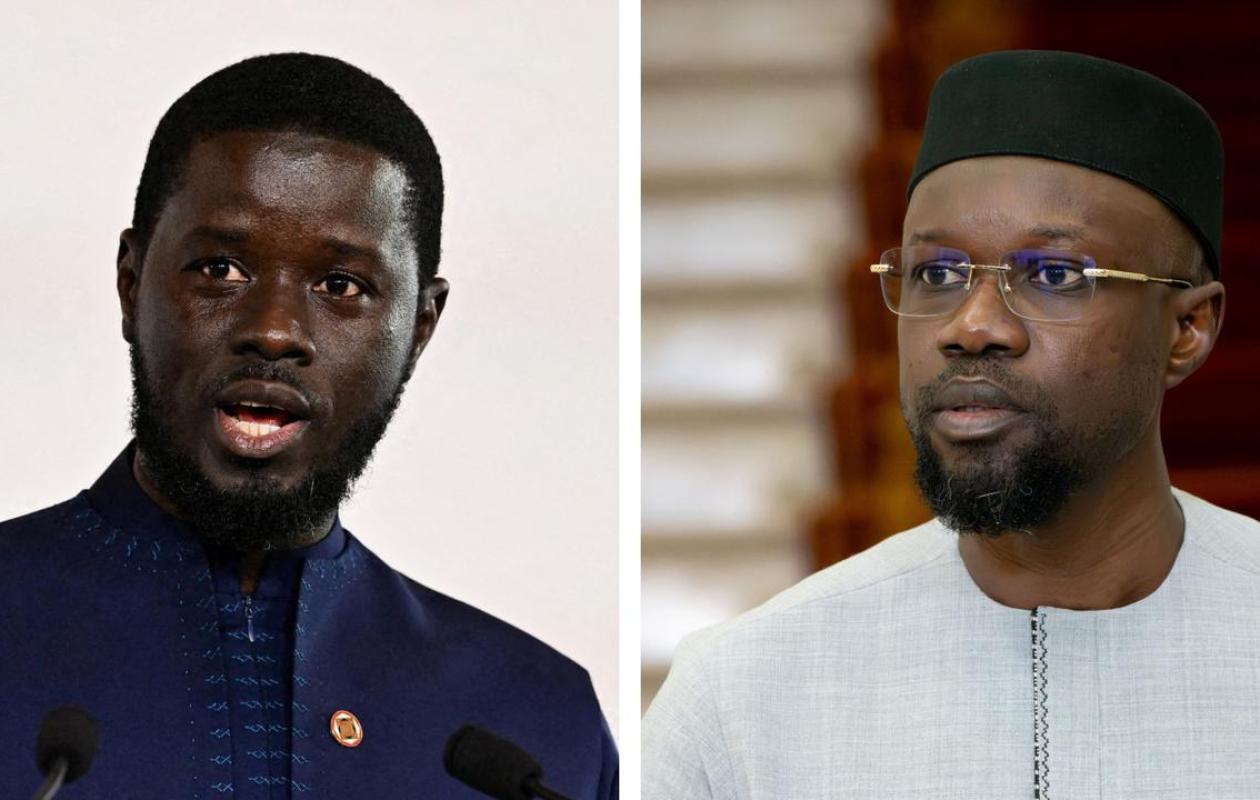
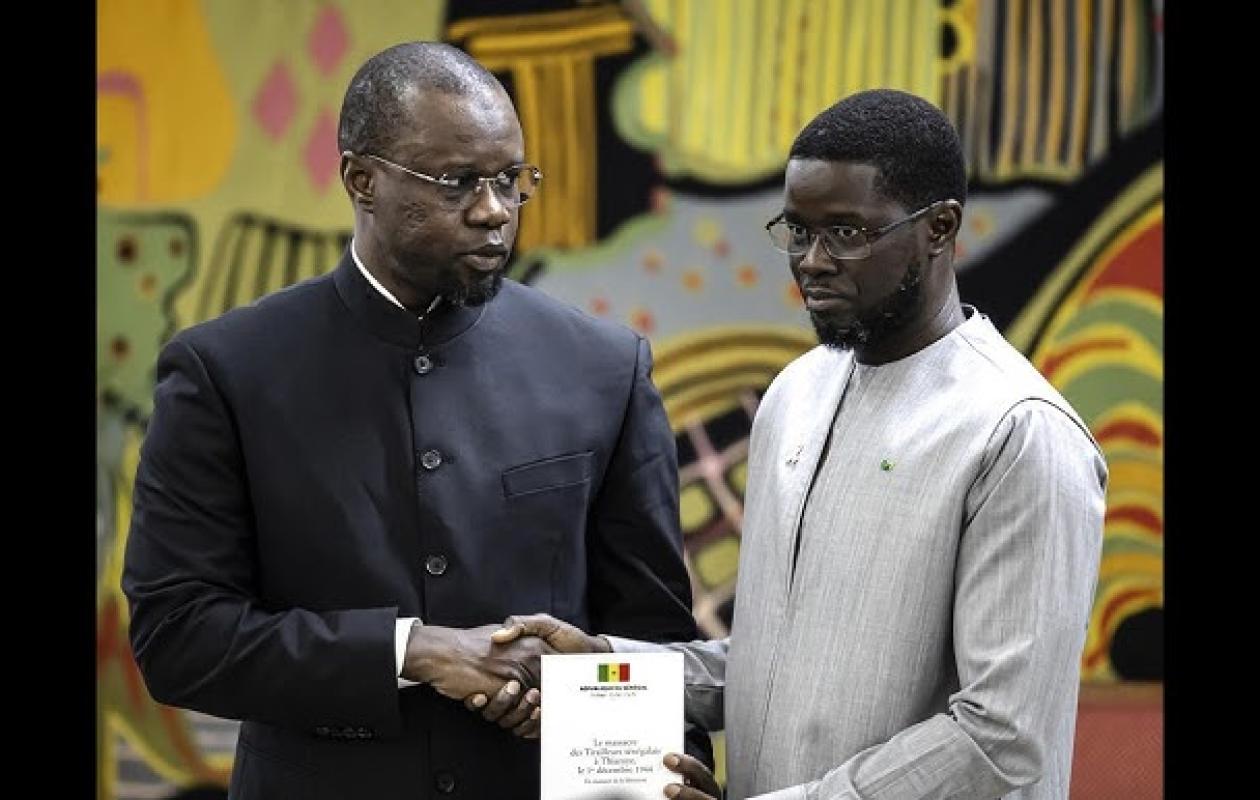
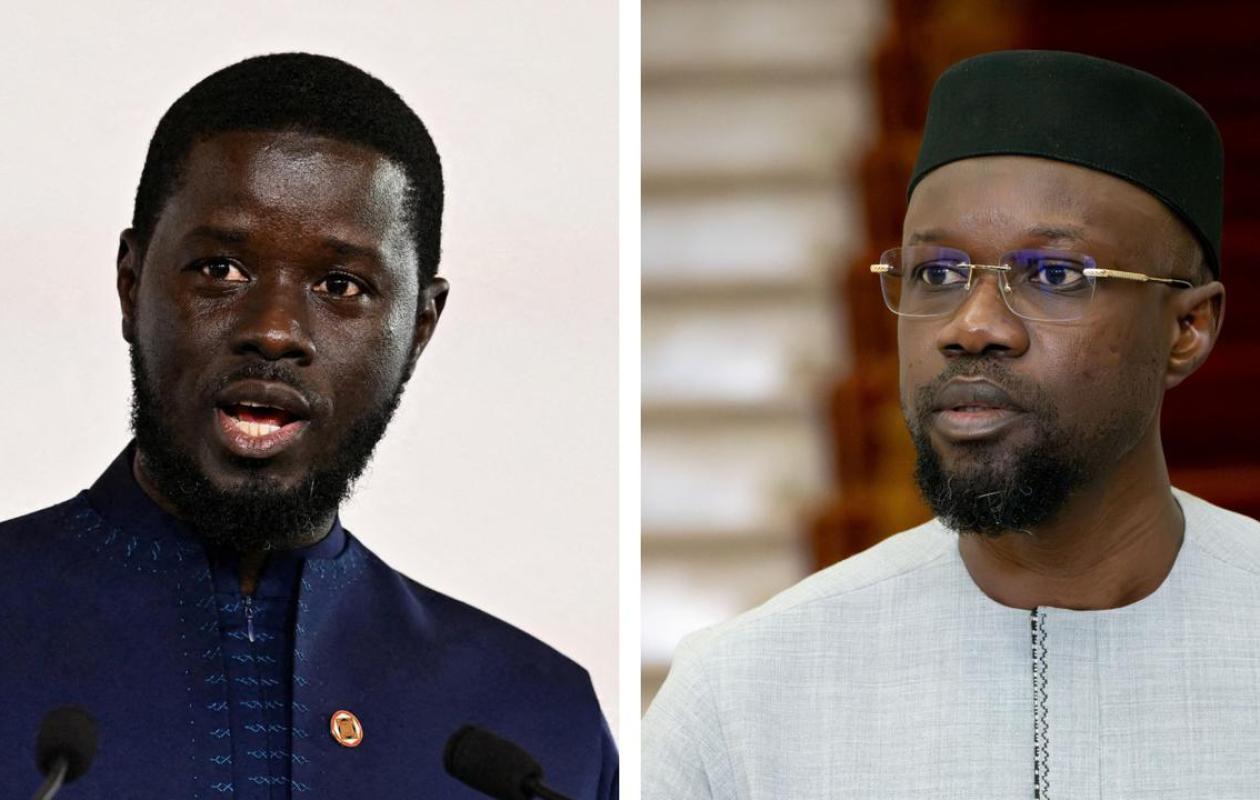
The President of the Republic does not govern for one side, but for the Nation. He is the guarantor of the institutions, of stability, and of the general interest. As such, he cannot be an extension of partisan politics, even if that politics is supported by a political majority or by a Prime Minister who is also the head of a party.
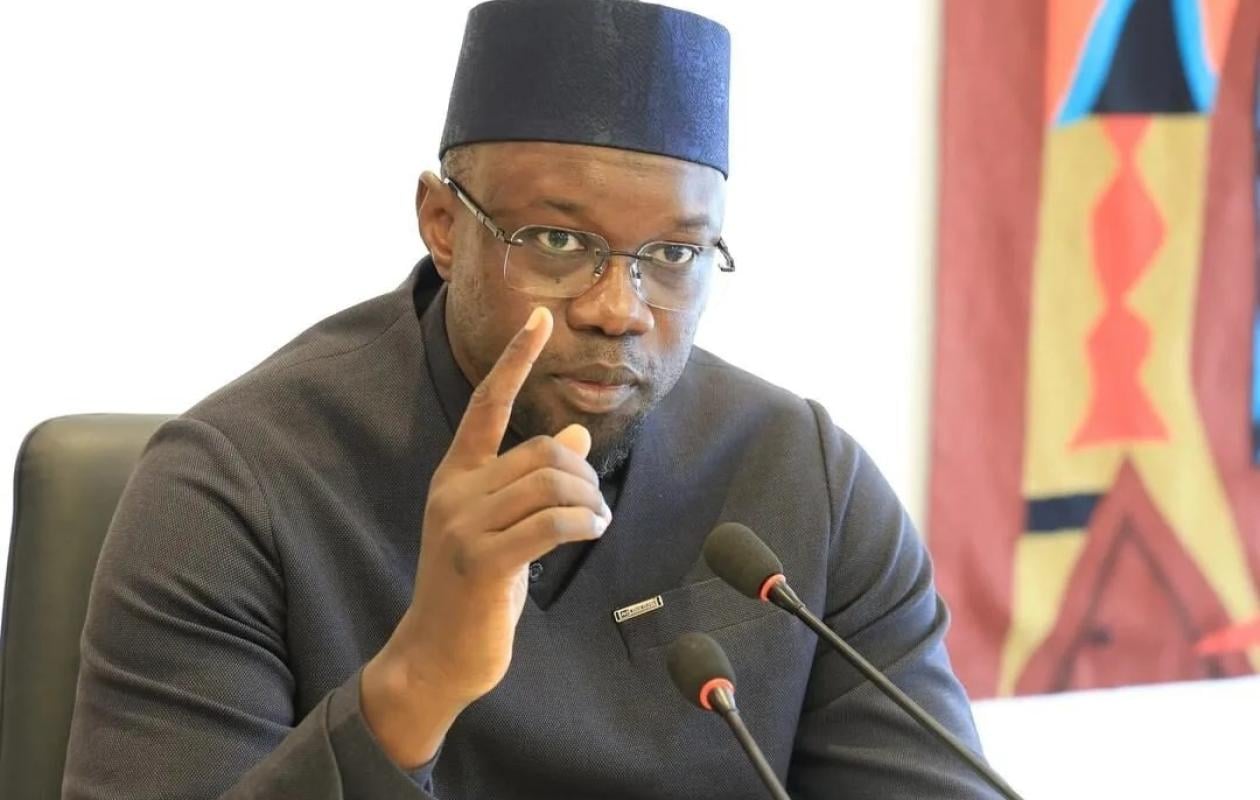
The confusion arises precisely from this: between a logic of political mobilization, driven by the urgency of change, and an institutional logic, which imposes moderation, arbitration, and prioritization. The Prime Minister can embody a dynamic, an impetus, a demand for rapid transformation. But the President, for his part, is bound by a broader responsibility: that of governing for all, over the long term.
This discrepancy is not a weakness. On the contrary, it is a sign of the normal functioning of the state. A government that becomes entirely aligned with a partisan line risks becoming trapped in its own certainties. Conversely, a government that maintains the necessary distance from political urgency equips itself to act with clear-sightedness.
From this perspective, the President's control of the agenda appears not as a hindrance, but as a regulatory tool. It allows for the channeling of influences, the avoidance of hasty disruptions, and the guarantee of the coherence of the reforms undertaken.
The change doesn't disappear. It transforms. It moves from a political promise to an institutional construct. And this transformation requires time, trade-offs, and sometimes adjustments.
To call this development a betrayal is to misunderstand the nature of power. Governing is not about executing a program to the letter; it is about adapting action to the constraints of reality.
The moment Senegal is going through is therefore not one of renunciation, but one of adjustment. An adjustment that is sometimes brutal, but necessary, between political momentum and the demands of the state.
Ultimately, the real issue is not whether change exists, but understanding that it can only be sustained through state responsibility. For governing is not about following a momentum, but about controlling its trajectory.
El Hadji Diaydi Bâ Cissé
Public administrator - Specialist in public governance.















Commentaires (3)
Participer à la Discussion
Règles de la communauté :
💡 Astuce : Utilisez des emojis depuis votre téléphone ou le module emoji ci-dessous. Cliquez sur GIF pour ajouter un GIF animé. Collez un lien X/Twitter, TikTok ou Instagram pour l'afficher automatiquement.