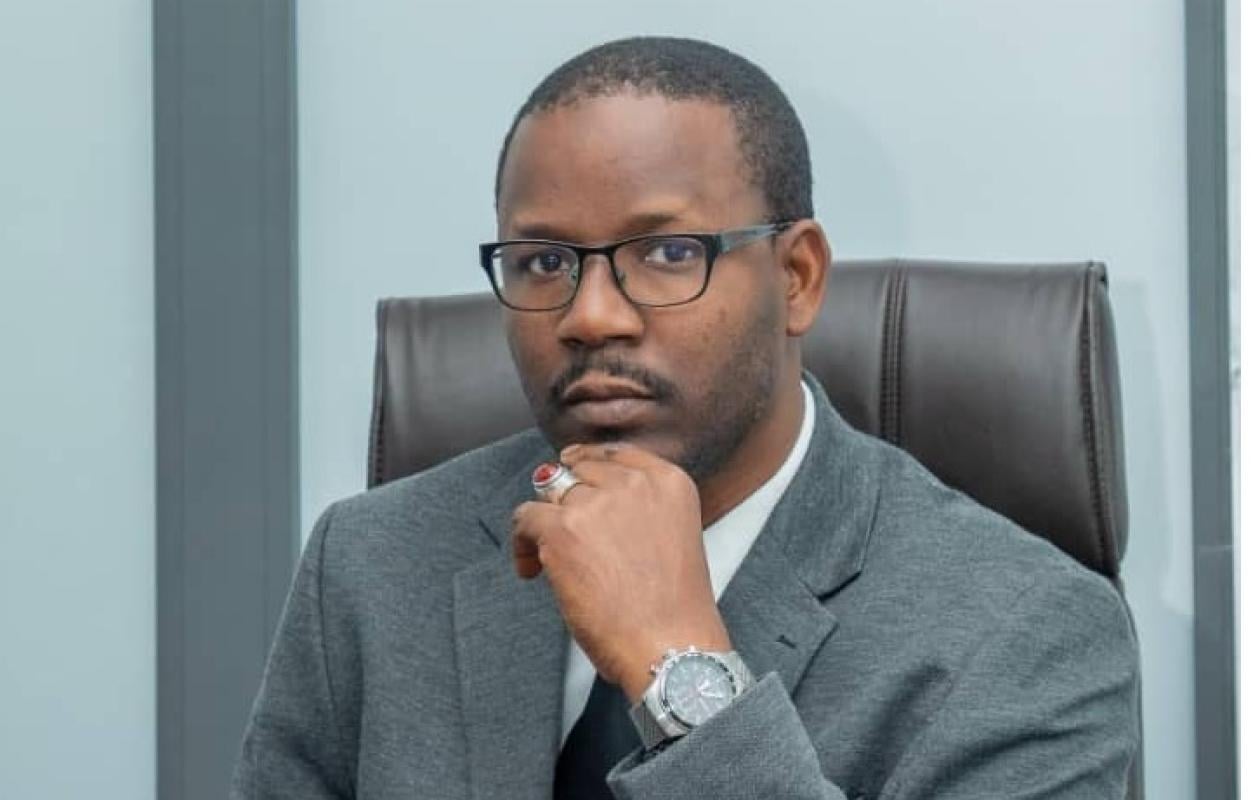
Vers l’autosuffisance en moutons de Tabaski au Sénégal : progrès réels et mutation nécessaire de la chaîne de valeur (Par Djibril BA)
The ambition to achieve self-sufficiency in Tabaski sheep in Senegal is part of a dynamic of food sovereignty and of valorization of the livestock sub-sector.
To this end, the State has implemented structuring instruments, notably the National Integrated Livestock Development Program (PNDIES), reinforced by complementary initiatives such as the Mayors' Initiative for Sheep Self-Sufficiency and the National Sheep Self-Sufficiency Program. These efforts have yielded encouraging results, with more than 885,000 head of sheep recorded in 2024, exceeding the set targets.
However, these quantitative performances are not sufficient to guarantee sustainable self-sufficiency.
Indeed, it relies as much on cost control, quality and accessibility as on production volumes.
However, high production costs, particularly those related to livestock feed, transport and operating expenses, continue to weigh on prices, limiting household access.
Furthermore, dependence on imports from Mali, Niger, and Mauritania remains a structural constraint. This situation exposes the country to external risks, while the still largely cyclical management of the issue, concentrated around the Tabaski period, prevents the emergence of a fully structured and resilient livestock system.
In this context, it becomes imperative to shift paradigms by adopting an integrated value chain approach, inspired by agribusiness principles. The goal is no longer simply to increase livestock numbers, but to organize all links—production, feed, animal health, processing, and marketing—in a coordinated, efficient, and sustainability-oriented manner.
In this regard, the development of large-scale integrated farms constitutes a strategic approach.
By analogy with intensive farms, it would be beneficial to promote production units of at least 50 hectares, combining modern sheepfolds and in-house forage production. Such an organization would ensure livestock feed security, reduce production costs, improve productivity, and stabilize prices.
In addition, these hubs could serve as centers for innovation, training and dissemination of best practices.
However, the success of this model depends decisively on access to financing. It is therefore crucial to provide substantial financing early on, tailored to livestock production cycles, to allow producers to anticipate the necessary investments (feed, infrastructure, animal health) and avoid cash flow problems as Tabaski approaches.
Late or insufficient funding compromises the performance of the entire value chain.
This approach must be accompanied by a comprehensive strengthening of the ecosystem. On the one hand, it is essential to support livestock farmers, including domestic entrepreneurs, through appropriate financing mechanisms, improved organizational structure, and enhanced technical support.
On the other hand, the removal of structural constraints remains essential: increased promotion of forage crops, targeted subsidies for livestock feed, revitalization of production units such as flour mills, improved access to water and veterinary inputs, as well as a resolute fight against livestock theft.
Finally, strengthening partnerships with financial institutions, particularly the African Development Bank (AfDB), and improving coordination of national financing mechanisms appear essential. In this regard, increased institutional attention to the livestock sub-sector, on par with crop production, and even structural reorganization, are necessary.
In short, while Senegal has made significant progress towards self-sufficiency in Tabaski sheep, achieving this goal requires a profound transformation of the value chain. Only an integrated approach, supported by early and substantial funding, will allow for moving beyond short-term responses to build genuine, competitive, and sustainable self-sufficiency.
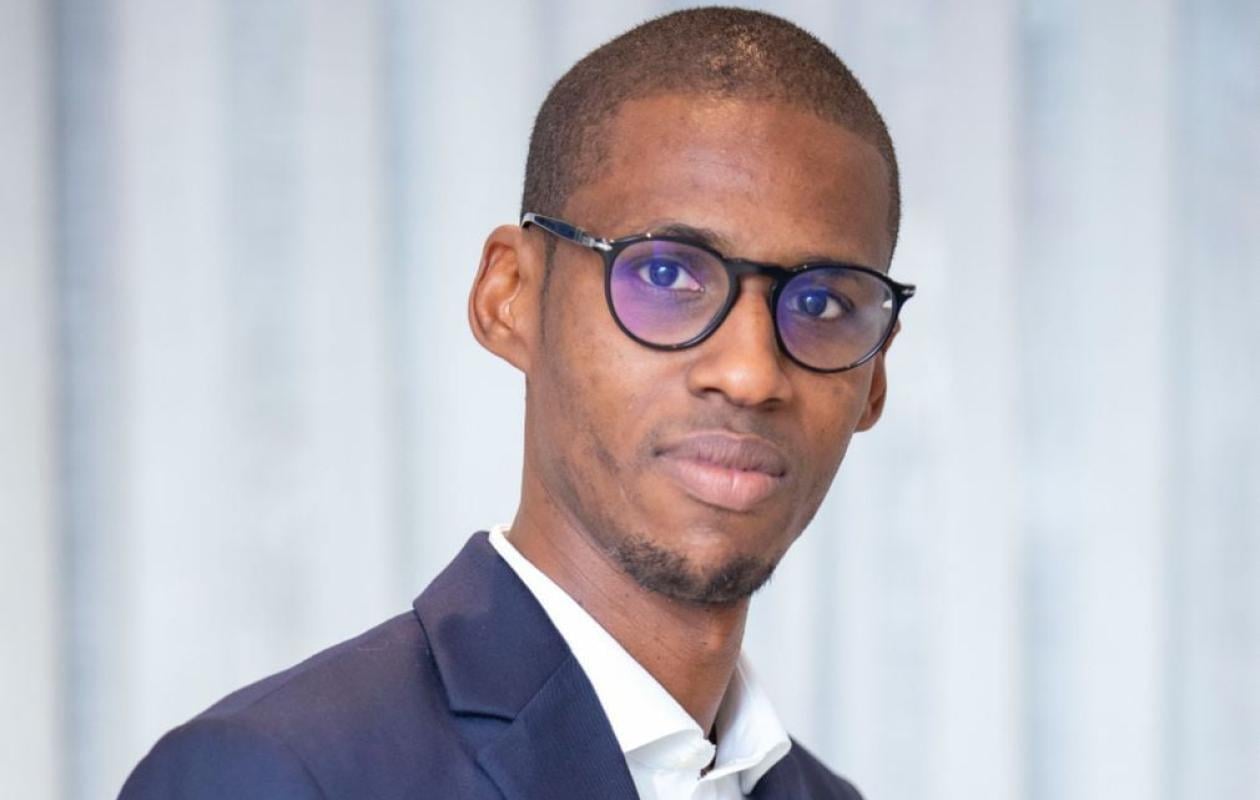
Mr. Djibril BA
Agricultural engineer
Financial Engineer
MBA in Financial Management
President of the PROGRESS movement
Communication Manager Coalition Diomaye President-Thies















Commentaires (3)
Participer à la Discussion
Règles de la communauté :
💡 Astuce : Utilisez des emojis depuis votre téléphone ou le module emoji ci-dessous. Cliquez sur GIF pour ajouter un GIF animé. Collez un lien X/Twitter, TikTok ou Instagram pour l'afficher automatiquement.