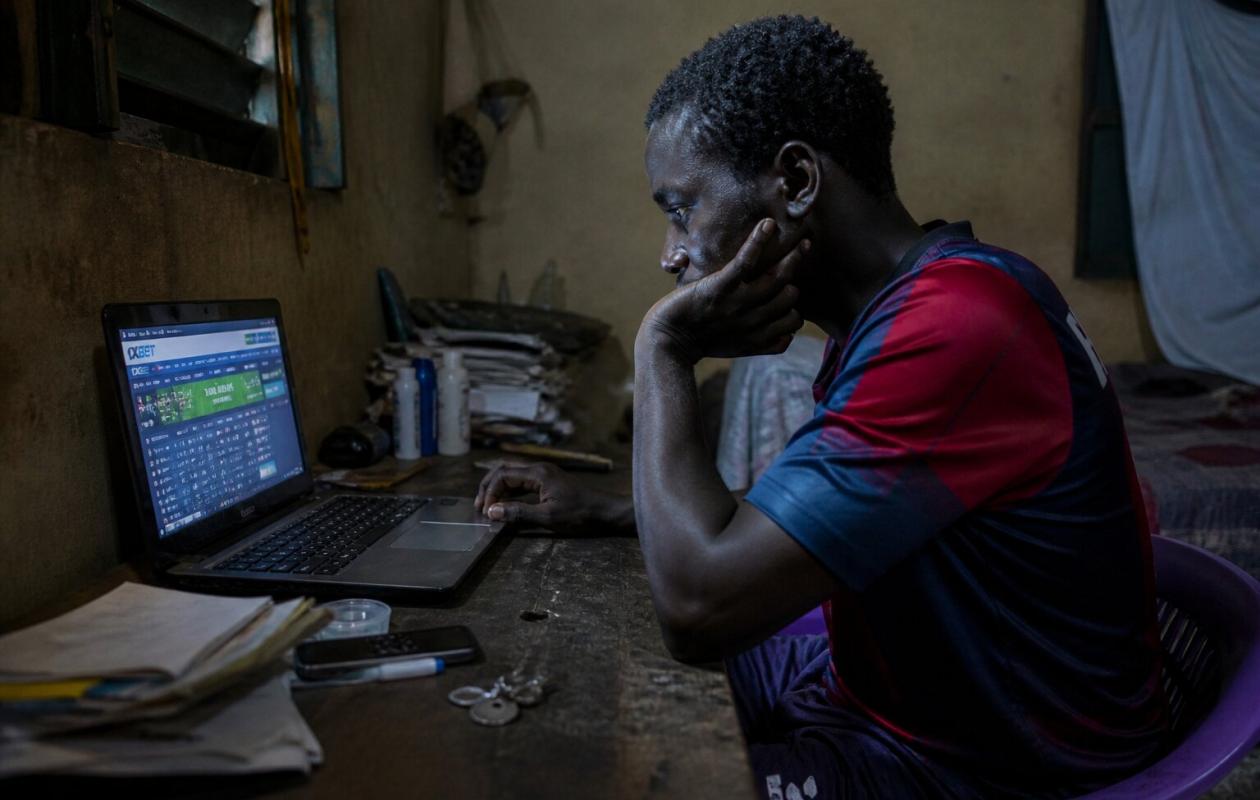
[Focus] « J’ai perdu 280 000 en une nuit » : Le témoignage glaçant d’un accro aux paris en ligne (2/2)
Initially seen as a simple form of entertainment, gambling gradually became a part of A. Diaw's daily life, eventually becoming a difficult habit to control. Between illusory wins, repeated losses, and a spiral of debt, he recounts the trajectory of a self-aware addiction.
"It was for fun," "not all the time": that's how A. Diaw describes his beginnings with online gambling. He talks about small amounts, limits he imposed on himself. But very quickly, this practice became a "routine" he struggled to break.
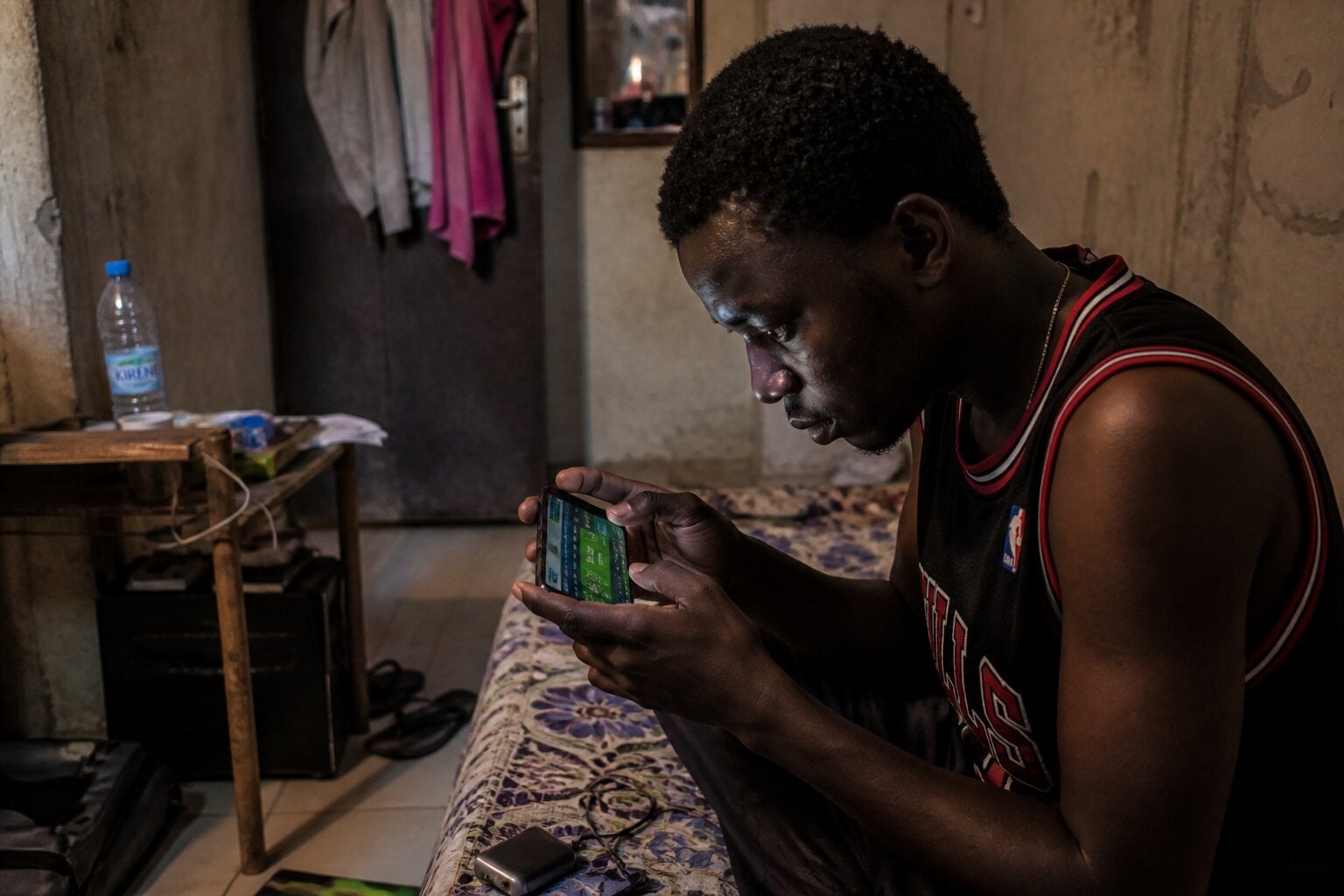
A. Diaw, however, was anything but a gamer at heart. Originally from the Podor region, he grew up far from Dakar, completely removed from that world. "Before, I didn't even know about these apps," he confides. His path followed a classic trajectory: high school diploma in 2010, then enrollment at Cheikh Anta Diop University in Dakar, where he studied geography until obtaining his Master's degree in 2016-2017. At that time, his ambitions lay elsewhere. But upon graduating, reality set in: finding a job was difficult. He tried every job he could, entered every competition, without managing to establish himself permanently in the field he desired. After a period of unemployment, he finally joined a call center in 2019 as a customer service representative. A job he still holds today, "by default," he says, describing the sector as "thankless" and precarious. He considered taking vocational training to change careers, but gave up due to the constraints: "I wanted to do vocational training, unfortunately, with the vagaries of life, it didn't work out."
That's how he started online betting in 2020. At the time, he was already working, living alone, with few expenses. A "simple" life. But gambling became an integral part of it, initially as a form of entertainment. "I didn't play all the time," he insists, before adding that he "put small amounts aside to bet." Then came the turning point: "Sometimes you don't bet much, but you win a lot," he explains. "With 500 francs, you can end up with a lot of money." Easy money thus became a necessity. Today, gambling occupies a central place in his life, "like coffee in the morning." It's become a reflex, a routine. He anticipates matches, calculates odds, and follows the championships with constant attention. "You're glued to your phone all the time. You can't concentrate," he says.
His relationship with money has changed over time. The amounts have increased: 50,000, 75,000, sometimes 100,000 francs in a single bet. He recalls a particularly significant loss: "I lost 280,000 and some change in one night," after having initially won. "At first, I bet 100,000, I won, and then I thought, why not win a lot more?" A pattern that repeats itself. "You lose more than you win," he admits, but each loss leads to a new attempt.
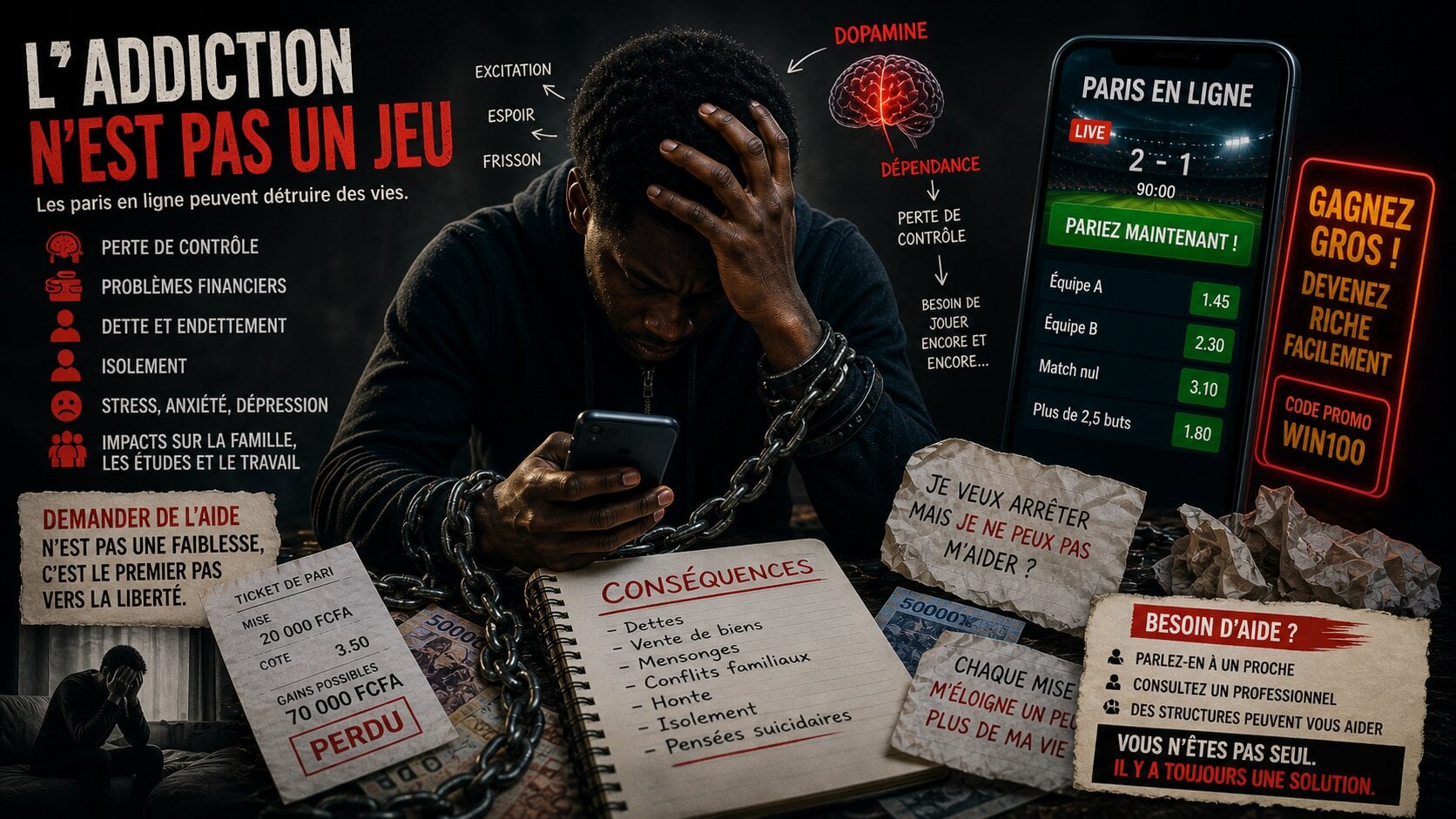
The consequences are tangible. He goes into debt, asks his acquaintances for help, borrows small sums that vanish almost immediately. "Don't you have 5,000 you could lend me?" he asks his friends. "The worst part is, they lend me the 5,000 and I lose it right away." He talks about mounting debts, stress, and nights spent watching matches, unable to tear himself away from the screen.
Even though A. Diaw is "very, very aware," this awareness isn't enough to break the cycle. Thus, he lives in a state of perpetual projection. One day, he says, he will reach "the amount." The amount that will allow him to stop, to invest, to change his life. "As long as I haven't reached that amount, I'll keep going."












Commentaires (9)
Participer à la Discussion
Règles de la communauté :
💡 Astuce : Utilisez des emojis depuis votre téléphone ou le module emoji ci-dessous. Cliquez sur GIF pour ajouter un GIF animé. Collez un lien X/Twitter, TikTok ou Instagram pour l'afficher automatiquement.