Ramadan : Pourquoi rompre le jeûne avec un café est une "fausse bonne idée" pour votre estomac
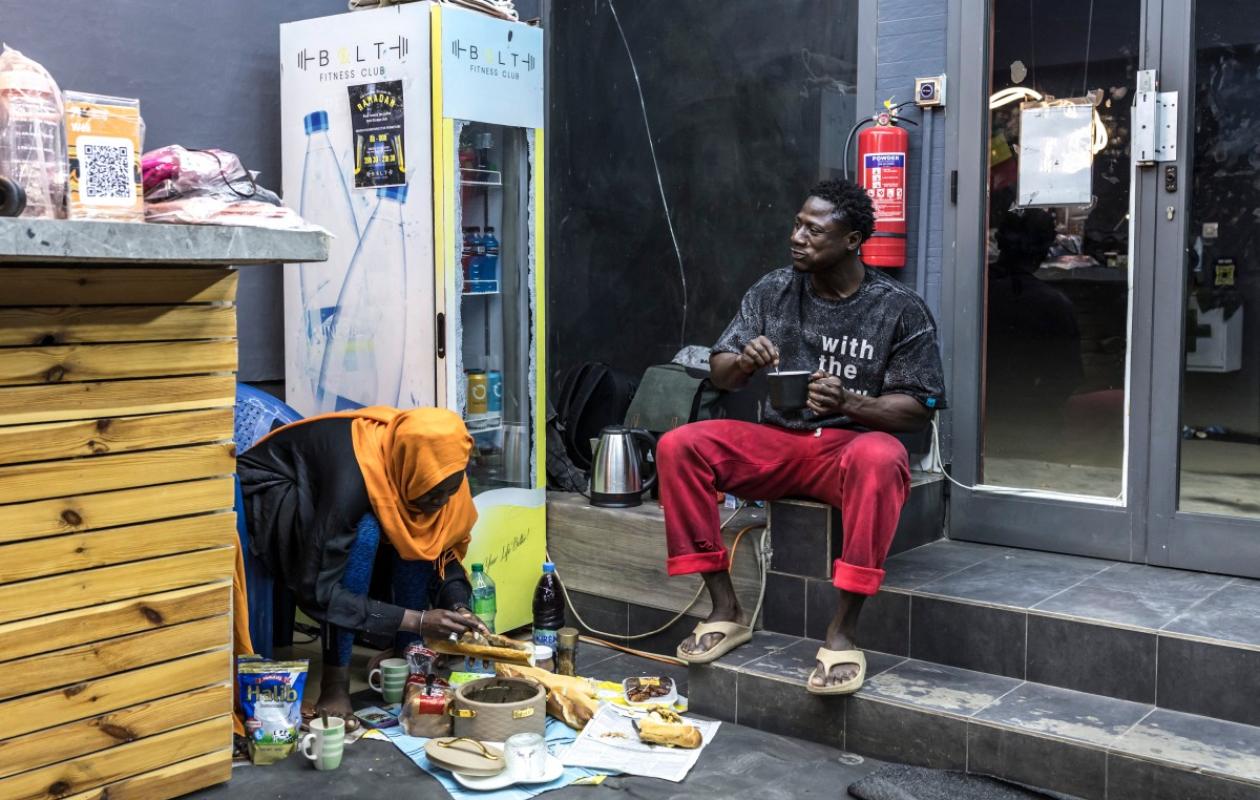
With Ramadan, eating habits undergo profound changes. Among the observed shifts, the role of coffee raises many questions. An essential morning beverage for many, it is now consumed by some as early as the time of Iftar.
Deprived of their morning cup, some coffee lovers don't hesitate to have it before anything else when breaking their fast. But one question often arises: is it advisable to start Iftar with a cup of coffee? Is this practice truly safe for the body after several hours of abstinence?
When questioned on the subject, dietician-nutritionist and specialist in Health Education and Promotion, Djiby Samb, offered some clarification. According to him, drinking coffee immediately after a long day of fasting is not the most suitable option.
Hydration is the priority.
After several hours without drinking, the body's primary need is to rehydrate. The specialist explains that "water ensures rapid rehydration, promotes better digestive tolerance, and prepares the stomach to receive food."
Continuing his analysis, Dr. Djiby Samb specifies: "Coffee, on the other hand, is slightly diuretic. It does not rehydrate effectively, it stimulates rather than hydrates and can accentuate the feeling of dehydration, especially when it is hot."
Possible effects on an empty stomach
According to the expert, drinking coffee regularly at iftar can irritate the stomach lining, cause heartburn or reflux, increase palpitations or nervousness, and worsen acidity in some people. While not dangerous for a healthy person, the nutritionist says it is "less comfortable" for the body when consumed first.
What is the ideal order for the breakup?
The expert recommends a gradual reintroduction of food, beginning with gentle rehydration using one or two glasses of room-temperature or cool water (but not ice-cold to avoid thermal shock). This should be followed by the consumption of one to three dates to raise blood sugar levels thanks to the simple carbohydrates.
After a five- to ten-minute break, often coinciding with prayer time, a light and balanced meal, such as a light soup, should be eaten. Coffee can then be consumed, if desired, ideally one to two hours after the meal. Regarding the debate on beverage temperature, Djiby Samb clarifies that there is no strict prohibition, but cool, not ice-cold, water is preferable initially, with hot coffee consumed later to minimize gastric irritation.
In short, coffee at iftar is more about pleasure than a physiological need. During fasting, the most important thing is to stay sufficiently hydrated and gradually reintroduce food to maintain digestive balance.





















Commentaires (12)
Participer à la Discussion
Règles de la communauté :
💡 Astuce : Utilisez des emojis depuis votre téléphone ou le module emoji ci-dessous. Cliquez sur GIF pour ajouter un GIF animé. Collez un lien X/Twitter, TikTok ou Instagram pour l'afficher automatiquement.