Ramadan : Pourquoi sauter le "Kheud" est une erreur pour votre santé
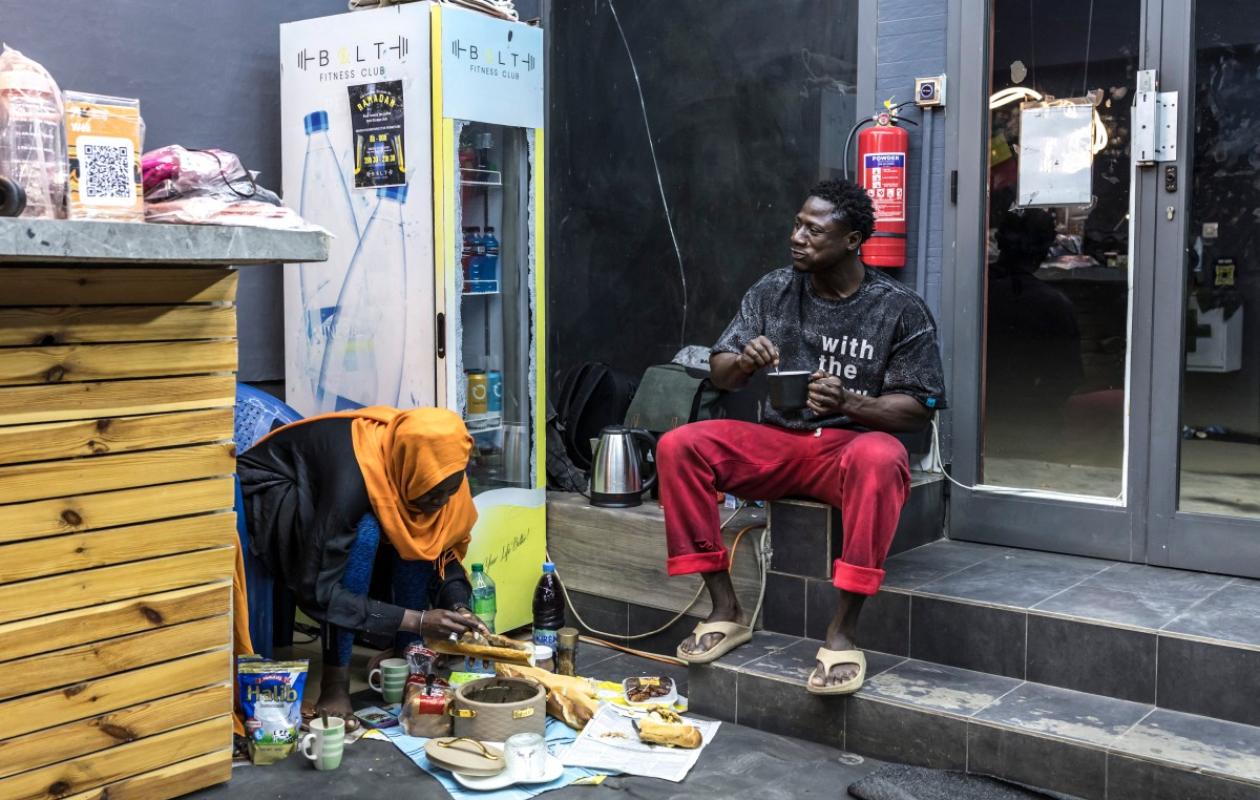
Taken at dawn, between 4 and 5 a.m. during Ramadan, khud (the equivalent of suhoor) goes beyond a simple religious custom. From a health perspective, it serves as a valuable tool for preparing the body before several hours of fasting. Yet, while some take it daily before the start of the fast, others neglect it. What are its physiological benefits? What are the risks of omitting it? Which combinations should be favored? Dietitian-nutritionist Djiby Samb provides clear answers.
According to the specialist, kheud plays a central role in maintaining blood sugar levels. "During the night, the body uses its liver glycogen reserves. Kheud helps replenish these reserves, prevent hypoglycemia, and limit dizziness, tremors, and headaches," he explains. Sufficient protein intake also helps reduce muscle catabolism during the fasting day. The result: better overall tolerance, with less morning fatigue, irritability, and drops in blood pressure.
Beware of fast-acting sugars
Dr. Djiby Samb emphasizes the importance of the nutritional quality of kheud. According to him, a meal too rich in simple sugars, such as white bread, sugar, or sweetened coffee, causes a sudden spike in blood sugar, followed by reactive hypoglycemia two to four hours later, leading to early fatigue and difficulty concentrating. Conversely, the nutritional health professional continues, kheud combining complex carbohydrates, protein, and fiber allows for a gradual release of glucose, ensures stable energy, improves alertness, and reduces cravings.
Hydration and fatigue prevention
The morning meal (kheud) plays a key role in maintaining hydration during the fasting day. The nutrition expert emphasizes that when this meal is rich in water (porridge, milk, fruit), moderate in salt, and low in stimulants, it improves water retention, reduces fatigue, and lessens headaches related to dehydration. "Proper hydration from the morning onward prepares the body to last all day without discomfort," he explains.
For a balanced and safe pre-dawn meal, the nutrition educator advises structuring it around simple, complementary elements. He recommends prioritizing complex carbohydrates such as whole-wheat bread, millet, or oats, which provide sustained energy. These should be accompanied by protein (eggs, milk, yogurt, cheese, or legumes like black-eyed peas and lentils) to preserve muscle mass and prolong satiety.
A small amount of healthy fats, such as peanuts or avocados, helps maintain energy levels for longer. Fruits like bananas, papaya, or one to three dates complement the meal with their fiber and carbohydrate content. Hydration is also essential: Dr. Samb urges people to drink two to three glasses of water at the start of their meal. However, he believes that coffee and tea should be limited because their diuretic effect can exacerbate dehydration. "These drinks can deplete the body in the middle of the morning," he warns.
The risks of skipping the kheud
According to a healthy eating expert, regularly skipping breakfast can cause intense fatigue, low blood pressure, headaches, and difficulty concentrating. For people who are frail, diabetic, have heart conditions, or are elderly, the risks are even greater: hypoglycemia, dehydration, and poor tolerance to medication.
Beyond its spiritual dimension, the kheud is a true preventative tool. When well-balanced, it helps one approach the day of fasting with more energy, a stable metabolism, and greater physical and mental comfort.












![[Grain de Sel] - Macky Sall : crédit épuisé ?](https://image.seneweb.com/content/news/2026-17-25//thumb_1260x800_69ec75b20a303_UosfM3UoCK.jpg)










Commentaires (2)
Participer à la Discussion
Règles de la communauté :
💡 Astuce : Utilisez des emojis depuis votre téléphone ou le module emoji ci-dessous. Cliquez sur GIF pour ajouter un GIF animé. Collez un lien X/Twitter, TikTok ou Instagram pour l'afficher automatiquement.