Sucre, sel et bouillons : Ces "tueurs silencieux" qui détruisent le cerveau des Sénégalais
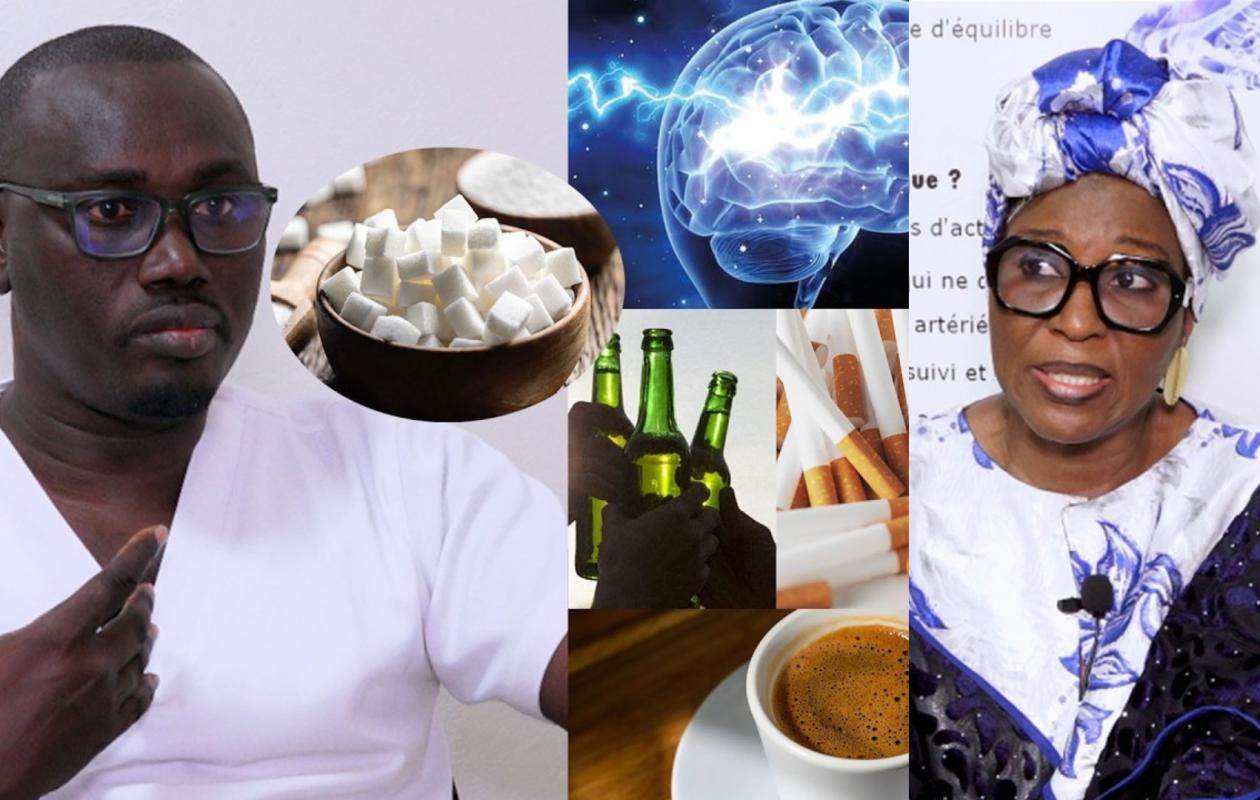
During April, Stroke Awareness Month, Seneweb interviewed Professor Ngor Side Diagne. A lecturer and specialist in physical medicine and rehabilitation at Fann Hospital, he warned of a worrying increase in this condition in Senegal, closely linked to lifestyle factors, particularly diet.
A stroke is an acute injury to the brain caused by a disruption of blood flow. This can be due to a blockage or rupture of blood vessels. "Any sudden onset of neurological symptoms should raise suspicion of a stroke," warns the specialist. Sudden paralysis, speech difficulties, vision loss, or severe headaches should prompt immediate medical attention.
Food at the heart of the alert
According to the professor, diet is a major risk factor today. He explains that excess salt contributes to high blood pressure, the leading cause of stroke in Senegal. Sugar, meanwhile, contributes to diabetes, while fats raise cholesterol and contribute to arterial blockages. In his observations, certain local habits exacerbate the situation: high sugar consumption in drinks and the frequent use of cooking broths rich in salt. He also notes that some consumers may use several sugar cubes in a single cup, a practice he considers excessive. In addition to diet, the specialist also cites tobacco, alcohol, and a sedentary lifestyle as significant risk factors. "We need to eat less fat, less sugar, and be more active," he insists, calling for a simple but decisive change in behavior.
A medical emergency: every minute counts
Stroke treatment is a real race against time. Professor Ngor Side Diagne emphasizes that the faster the intervention, the higher the chances of recovery.
Diagnosis relies on brain imaging, particularly CT scans or MRIs. In cases of ischemic stroke, thrombolysis can be performed to dissolve the clot, but only within four hours of the first symptoms. He emphasizes: "You have to pick up the patient and run." The consequences of a stroke extend far beyond the medical realm. The professor observes that many patients are left with significant aftereffects: paralysis, speech difficulties, or loss of independence. He also notes major social impacts, including job losses, progressive isolation, and, in some cases, family breakdown. According to him, a stroke can even "disrupt social relationships."
Essential but still limited rehabilitation
Recovery hinges on early rehabilitation. Physiotherapy, speech therapy, and psychological support are essential for improving the prognosis. However, the specialist highlights a lack of suitable facilities, especially outside Dakar, where specialized services are scarce. This shortage limits access to comprehensive care for many patients. Even though the costs remain relatively low compared to international rates, the professor explains that the duration of treatment, sometimes several months, represents a financial burden for families.
Added to this is the scarcity of human resources, which further complicates access to care. On the ground, initiatives are emerging. Fatou Diop Fall, a social worker, explains that the Senegalese Association for Aid and Assistance to Stroke Victims provides financial, psychological, and social support to patients and their families. She emphasizes that the association also raises awareness, focusing on the dangers associated with food, particularly salt and bouillon cubes. She stresses the need for better institutional support and reminds everyone that "every minute counts" in the care process.
Prevention is better protection
The message is that a large proportion of strokes can be prevented. The professor recommends reducing salt, sugar, and fat intake, engaging in regular physical activity, avoiding tobacco and alcohol, and better managing stress.
He concludes by reminding everyone that "no one is immune," even though those with risk factors remain the most vulnerable. Stroke affects all age groups, with a notable increase in cases among young people in Africa, often linked to heart disease or certain infections.
For Professor Ngor Side Diagne, the challenge now is to strengthen prevention, improve the speed of treatment, and develop rehabilitation facilities. Because beyond the statistics, every stroke is an emergency… and often the beginning of a long battle for the patient and their family.























Commentaires (10)
Participer à la Discussion
Règles de la communauté :
💡 Astuce : Utilisez des emojis depuis votre téléphone ou le module emoji ci-dessous. Cliquez sur GIF pour ajouter un GIF animé. Collez un lien X/Twitter, TikTok ou Instagram pour l'afficher automatiquement.