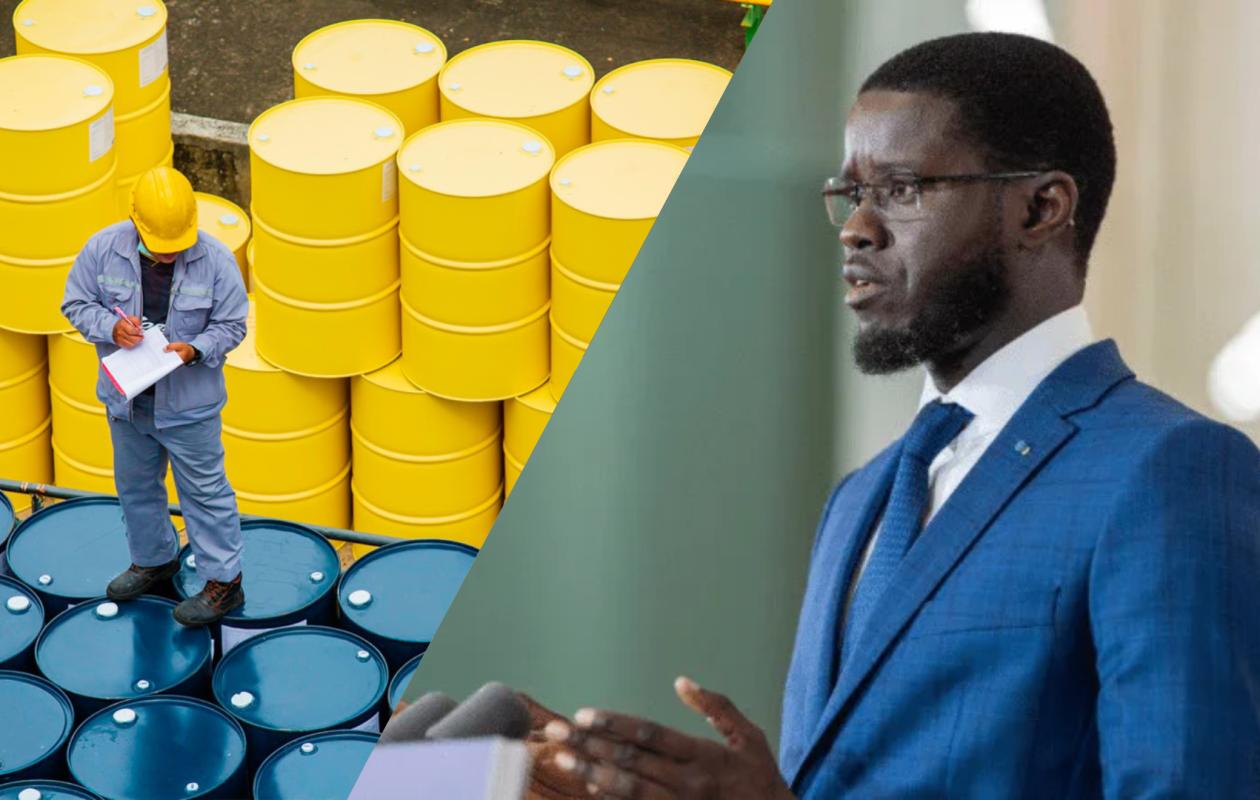
Alerte budgétaire : Chaque dollar de hausse du pétrole coûte 12 milliards au Sénégal (Pr Amath Ndiaye)
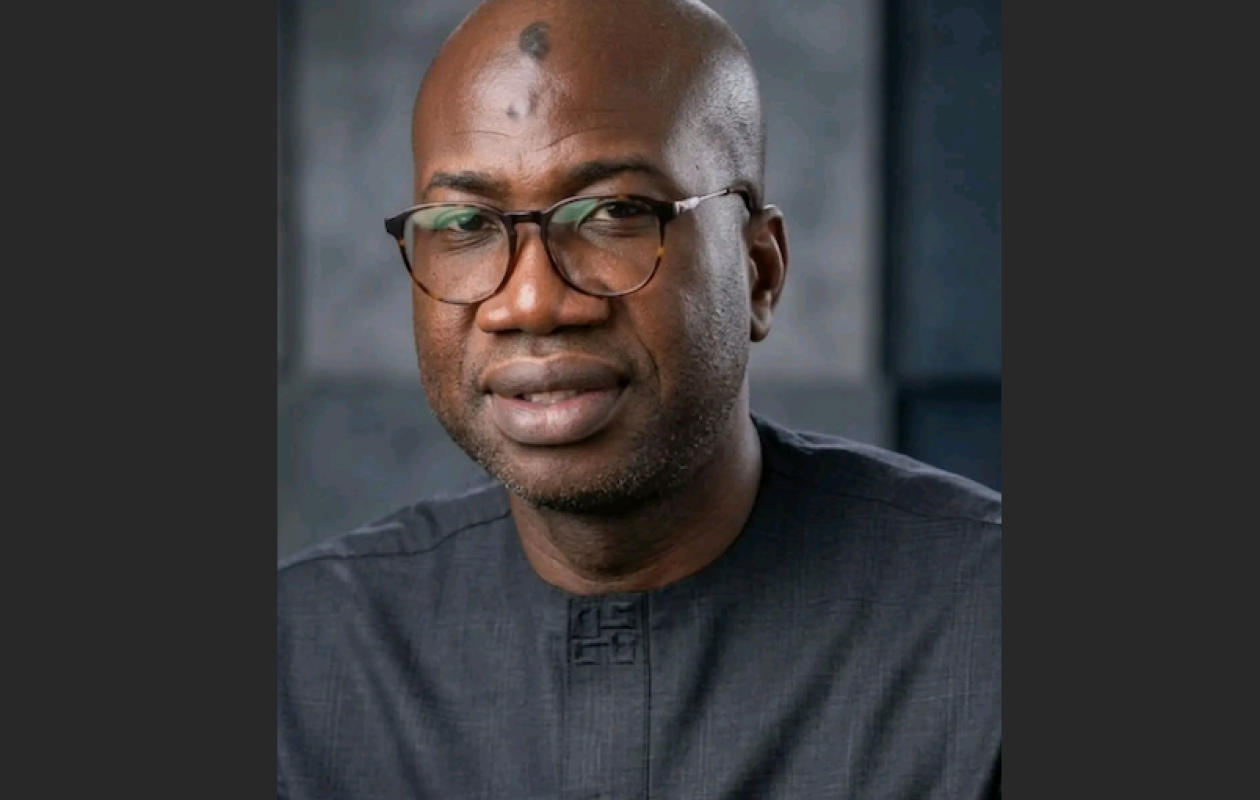
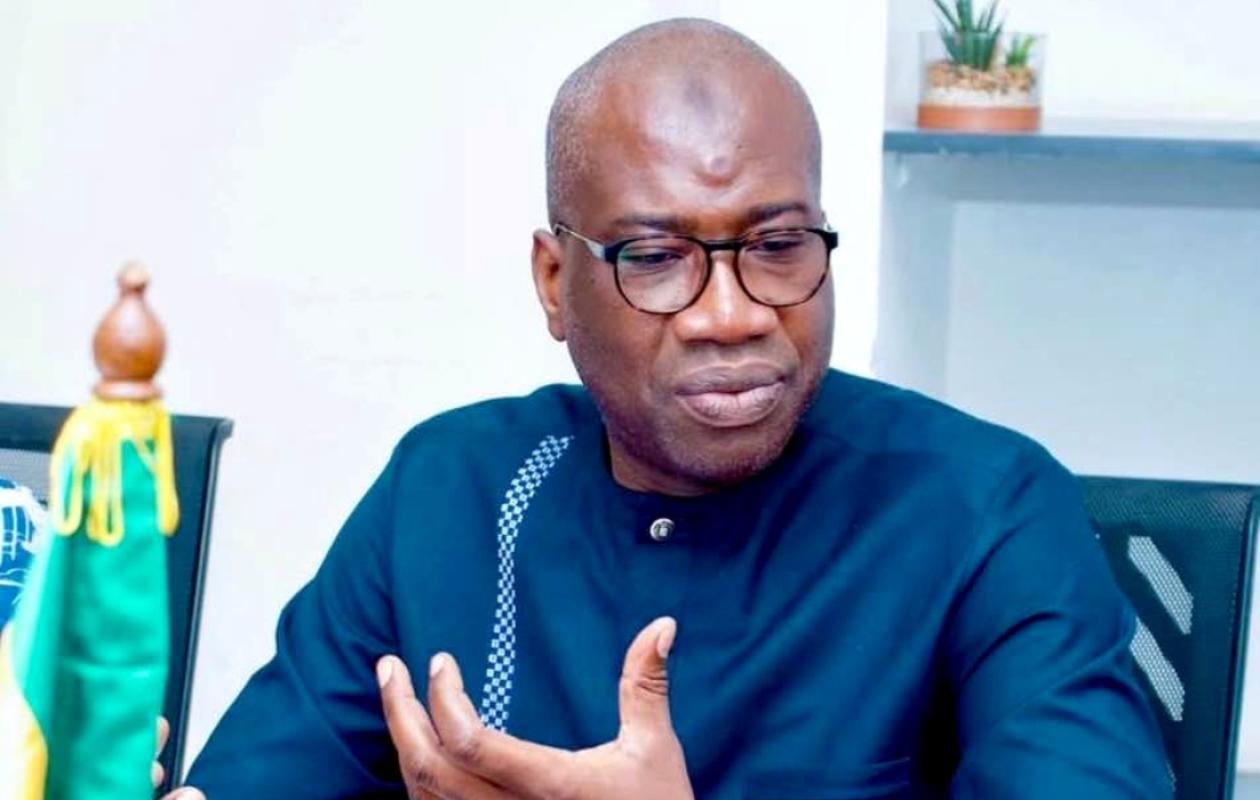
In a particularly well-supported analysis, Professor Amath Ndiaye of FASEG-UCAD raises the alarm about energy price management in Senegal. He argues that the artificial maintenance of tariffs, while politically understandable to preserve purchasing power, is gradually turning into a major financial dead end. According to him, by refusing to adjust domestic prices despite a prolonged oil shock, Senegal is opting for a short-term social safety net, but warns that "this politically rational choice is becoming increasingly costly economically."
The expert highlights a direct and alarming correlation between global oil prices and the Senegalese state budget. The figures he cites demonstrate a dramatic increase in expenses: while subsidies amount to 250 billion CFA francs for a barrel at $64, they already reach 408 billion CFA francs as soon as the price hits $77.
The economist specifies that "each $1 increase in the price of a barrel represents approximately 12 billion FCFA in additional costs for the State", projecting that a barrel at $100 would raise the bill to nearly 680 billion FCFA.
The risk of a "scissors effect" on public finances
Professor Ndiaye describes a situation of macroeconomic vulnerability where the country faces a genuine "fiscal squeeze." On the one hand, subsidy expenditures are soaring, and on the other, revenues are constrained by the global economic slowdown. He warns that this fiscal drift is producing a detrimental "crowding-out effect," because the resources thus mobilized "can no longer be directed towards productive spending, particularly infrastructure or support for economic activity."
Beyond the purely accounting aspect, the analysis criticizes the very effectiveness of this support policy. The professor explains that by maintaining artificially low prices, the Senegalese state "further subsidizes the wealthiest households and energy-intensive businesses," while delaying the necessary adjustments in consumption among the population. According to him, this strategy weakens the country's credibility with financial partners and international markets.
In conclusion, the UCAD economist believes that Senegal is merely shifting the problem without solving it, stating that the country "is not eliminating the cost of the oil shock: it is simply postponing it in the state budget." According to him, a final decision is now inevitable: a choice must be made between a gradual adjustment of prices accompanied by targeted measures, or accepting an "accelerated deterioration of macroeconomic balances."




![[EXCLUSIF]De Ziguinchor au Méridien : Le déballage explosif de Ndiaga Seck qui livre les noms et numéros de 10 de ses amants](https://image.seneweb.com/content/news/2026-21-18//thumb_1260x800_6a0b129f253e7_EAmQ8XmZt5.jpg)
![[EXCLUSIF] Ndiaga Seck : Ce qu'il a dit sur Ousmane Sonko](https://image.seneweb.com/content/news/2026-21-18//thumb_1260x800_6a0b59b4699aa_zsVjCNITAk.jpg)










Commentaires (13)
Participer à la Discussion
Règles de la communauté :
💡 Astuce : Utilisez des emojis depuis votre téléphone ou le module emoji ci-dessous. Cliquez sur GIF pour ajouter un GIF animé. Collez un lien X/Twitter, TikTok ou Instagram pour l'afficher automatiquement.