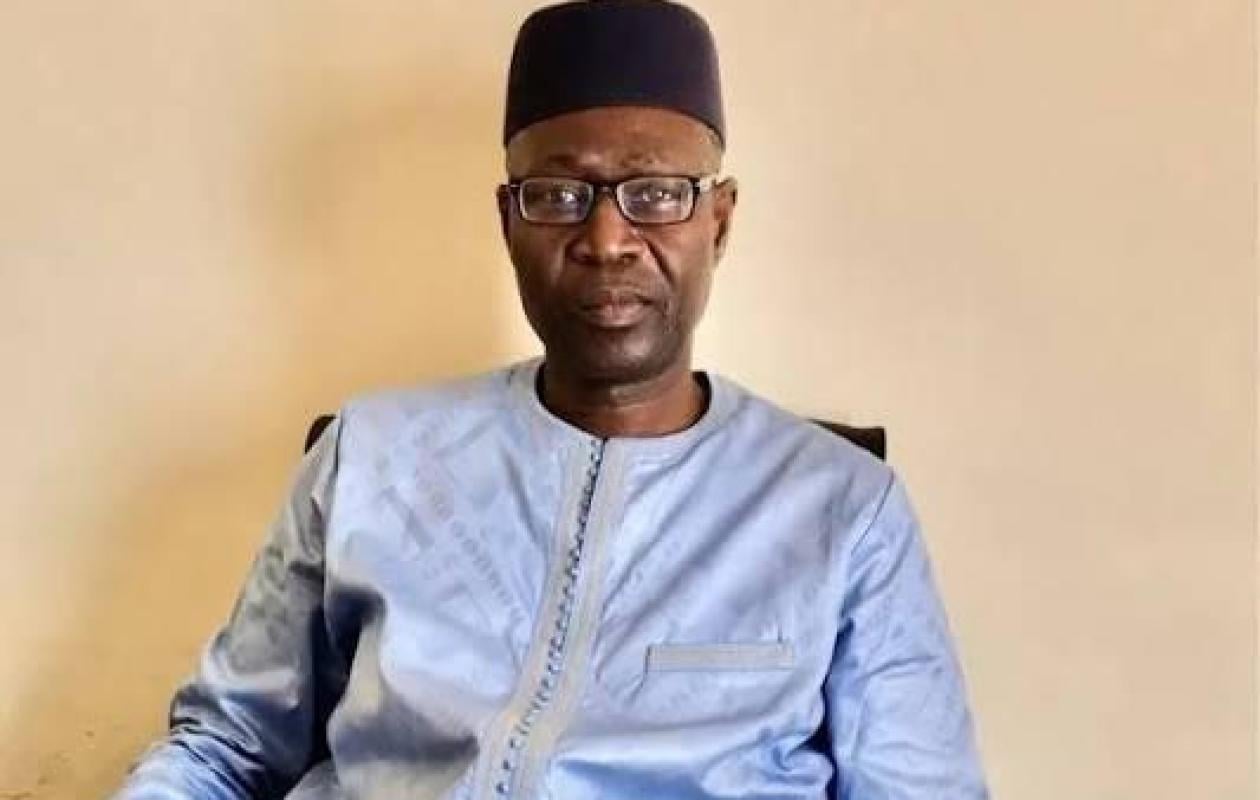
Analyse : Le Pr Amath Ndiaye met à nu les fragilités de la stratégie de dette du gouvernement
While the Senegalese government is making numerous public statements to reassure markets and international partners, a leading academic voice offers a more nuanced perspective. Professor Amath Ndiaye of FASEG-UCAD argues that while the official discourse of Prime Minister Ousmane Sonko and his Finance Minister is intended to be calm, the economic reality demands a more complex interpretation.
The first point of contention identified by the economist lies in the interpretation of future indicators. A profound disagreement persists between Dakar and Washington regarding growth prospects. According to Professor Ndiaye, "while the authorities present a relatively optimistic scenario, the IMF anticipates growth of around 3% in 2026."
This divergence is not just a matter of figures, it conditions the entire balance of the State: "Lower growth implies less dynamic tax revenues, a more difficult reduction of the deficit and a more fragile stabilization of the debt".
While the government emphasizes active debt management to avoid restructuring, Professor Ndiaye notes unmistakable signs of pressure. He highlights, in particular, the "gradual rise in interest rates" and a "concentration of demand on short-term maturities."
A particularly telling indicator of these "cash flow tensions," he says, is Senegal's unexpected return to the regional financial market to raise 200 billion CFA francs, an operation carried out "outside the initial schedule." Added to this are uncertainties surrounding the government's commitments: "Payment arrears are reportedly at the heart of diplomatic discussions (...) reinforcing the perception of the fragility of public liquidity."
According to the academic, Senegal finds itself at the heart of a complex macroeconomic equation where room for maneuver is dwindling. He points out that "interest payments represent more than 25% of tax revenues in 2025," a burden which, coupled with social demands, makes the situation precarious.
Professor Ndiaye believes that the current method could soon reach its glass ceiling. "Rising interest rates, market caution, and cash flow pressures suggest that this strategy is approaching its limits," he warns.
In conclusion, the issue is no longer merely technical, but reputational. For him, "the major challenge remains the rapid restoration of financial credibility." Without a solid agreement and a strong signal sent through discussions with the IMF, the cost of refinancing risks becoming a burden on growth and national investment.







![[EXCLUSIF] Affaire PCD : Le cap des 100 arrestations franchi, le téléphone d'Ass Dione accable le fils d'un grand marabout](https://image.seneweb.com/content/news/2026-20-13//thumb_1260x800_6a04a22c82a84_ACA7PLyDxC.jpg)













Commentaires (10)
Participer à la Discussion
Règles de la communauté :
💡 Astuce : Utilisez des emojis depuis votre téléphone ou le module emoji ci-dessous. Cliquez sur GIF pour ajouter un GIF animé. Collez un lien X/Twitter, TikTok ou Instagram pour l'afficher automatiquement.