Rapport Africa's Pulse — Banque mondiale, perspectives de croissance africaine 2025-2026
Sub-Saharan Africa is projected to grow by 4.1% in both 2025 and 2026, according to the latest edition of the Africa's Pulse report published by the World Bank Group. While this pace remains higher than that observed in several other regions of the world, it has been revised downward compared to previous projections. Behind this apparent stability, the report highlights a growing number of vulnerabilities that could complicate the continent's economic trajectory.
The region remains highly vulnerable to external shocks. Geopolitical tensions, disruptions to international trade, and uncertainties in energy markets continue to fuel risks. A rise in oil, grain, or fertilizer prices could reignite inflation in several countries, even as many households already spend a significant portion of their income on food and transportation.
The report also emphasizes the growing burden of public debt. Several African countries now devote a significant portion of their revenue to repaying interest and principal. This situation reduces the resources available to finance education, health, infrastructure, and social policies. In some cases, debt-related expenditures already exceed the budgets allocated to certain essential sectors.
The difficulty lies in the fact that budgetary leeway remains limited. States must simultaneously preserve macroeconomic stability, support the most vulnerable populations, and continue to invest. But tax revenues are growing slowly, while needs are increasing rapidly due to population growth.
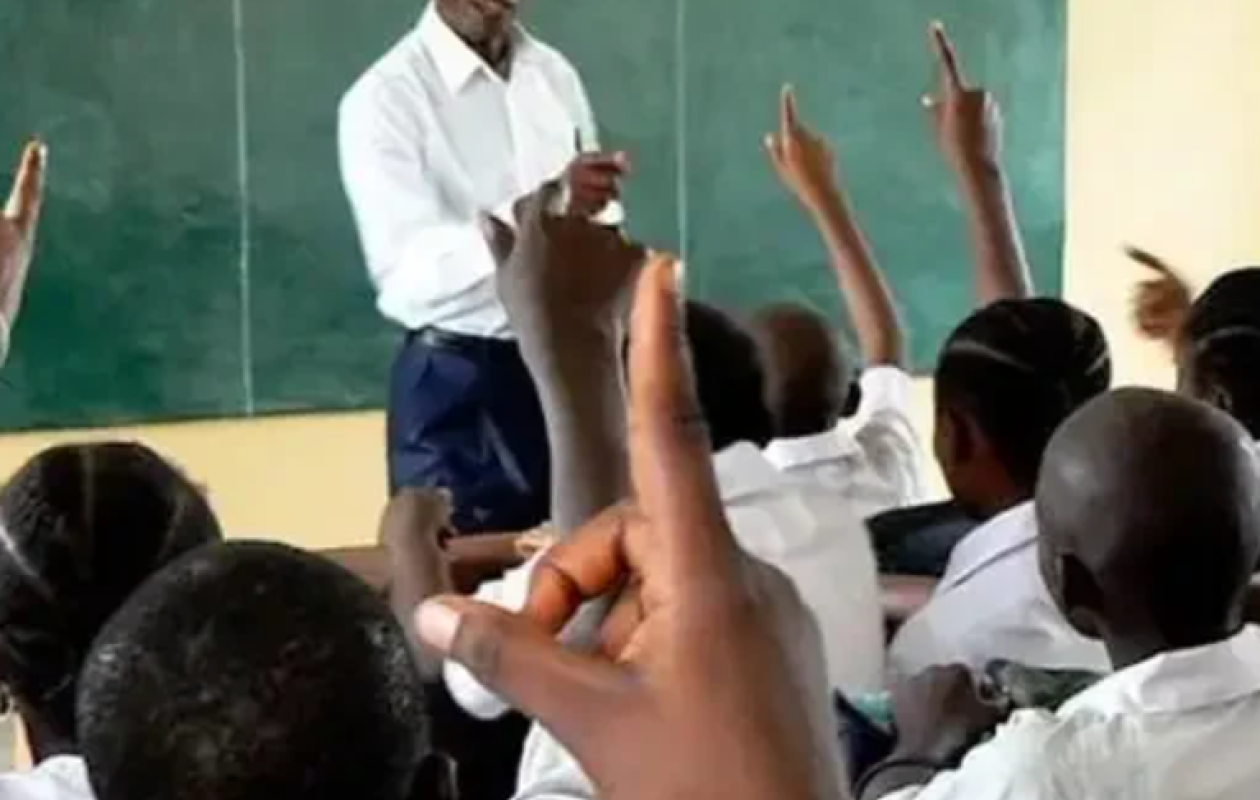
Sub-Saharan Africa will need to absorb millions of new entrants to the labor market in the coming years. According to the World Bank, nearly 12 million young people enter the job market in the region each year. Yet, economies are still creating far too few formal jobs capable of providing stable and sustainable incomes.
This situation explains why GDP growth alone is no longer sufficient. A 4% increase may seem adequate on paper, but it remains inadequate if it relies on a few low-labor-intensive sectors or if it is not accompanied by improved productivity. The report therefore calls for more diversified growth, more focused on industry, high-value-added services, and the private sector.
Agriculture, infrastructure, digital technology, energy, and local processing of raw materials appear to be important levers for supporting more inclusive growth. But this requires investment, an improved business climate, and the ability to mobilize more domestic resources.
Sub-Saharan Africa therefore continues to show relatively favorable growth prospects. However, this momentum remains fragile as long as it relies on economies that are poorly diversified, heavily indebted, and still highly dependent on external shocks.



















Commentaires (2)
Participer à la Discussion
Règles de la communauté :
💡 Astuce : Utilisez des emojis depuis votre téléphone ou le module emoji ci-dessous. Cliquez sur GIF pour ajouter un GIF animé. Collez un lien X/Twitter, TikTok ou Instagram pour l'afficher automatiquement.