Banques, fintechs, titres publics : jusqu’où peut aller l’expansion financière ?
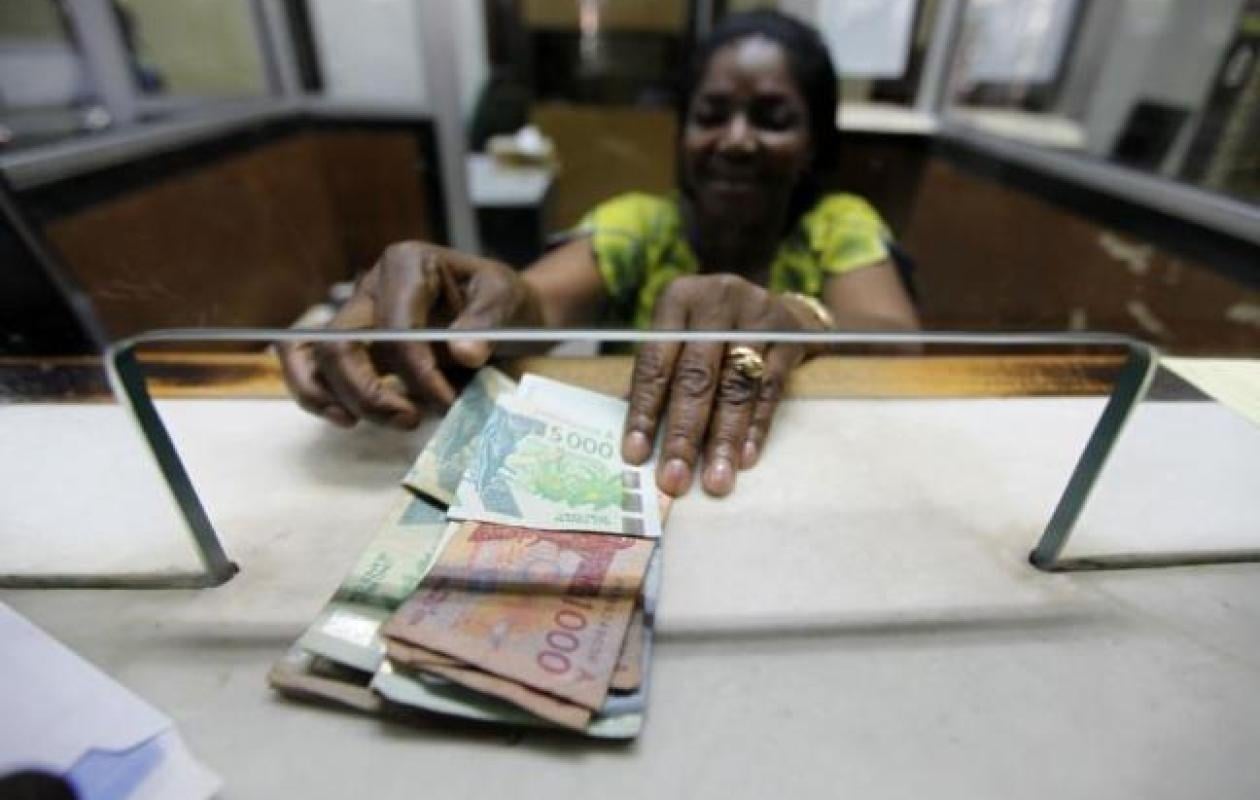
The growth of credit, financial markets, and banking services is often presented as a sign of economic modernization. A more financialized economy generally has more tools at its disposal to mobilize savings, finance businesses, and support public investment. In the WAEMU, this transformation is visible through the growth of government securities, the development of mobile money, the rise of fintechs, and increased bank lending. However, this trend also raises questions when the financial sector develops faster than the real economy.
Financial deepening refers to the increasing weight of the financial sector in the economy. This is reflected in increased credit, a diversification of financing instruments, a rise in banking services, and more frequent use of financial markets. In many economies, this phenomenon accompanies growth, as it facilitates access to capital and enables the financing of larger projects. In the WAEMU, outstanding loans to the private sector have increased steadily in recent years, while government bond issuance has reached unprecedented levels.
This evolution offers significant advantages. A more developed financial system makes it possible to mobilize local savings, finance infrastructure, and support businesses. Fintechs have also expanded access to payments and certain financial services for populations previously excluded from the traditional banking system. In Senegal, the number of mobile money accounts now far exceeds that of traditional bank accounts, illustrating the rapid pace of change.
However, excessively rapid financial deepening can also create imbalances. A growing share of regional savings is directed towards government bonds, as they offer attractive returns and present relatively low risk for banks. This facilitates government financing but sometimes reduces the resources available to private businesses. Consumer credit is also growing faster than productive financing, which supports domestic demand without necessarily increasing productive capacity.
The risk arises when financial activities become more profitable than productive activities. Banks may be tempted to favor government bonds or short-term loans over industrial, agricultural, or technological investments, which require more time and involve greater uncertainty. In this case, the financial sector grows, but its impact on the transformation of the economy remains limited.
Debt is another area of concern. Rapid credit growth can weaken households or businesses if incomes do not keep pace. In some economies, periods of overly rapid financial expansion have led to banking difficulties or liquidity crises when borrowers were no longer able to repay. While the WAEMU remains far from such situations, the rise in credit, government securities, and new financial players is prompting authorities to strengthen prudential supervision.
Financial deepening remains necessary to support growth and broaden access to capital. But it only produces lasting effects when it complements the real economy rather than detaching from it. The true balance lies in developing banks, markets, and financial services while ensuring they provide greater support for production, investment, and employment.
























Commentaires (2)
Participer à la Discussion
Règles de la communauté :
💡 Astuce : Utilisez des emojis depuis votre téléphone ou le module emoji ci-dessous. Cliquez sur GIF pour ajouter un GIF animé. Collez un lien X/Twitter, TikTok ou Instagram pour l'afficher automatiquement.