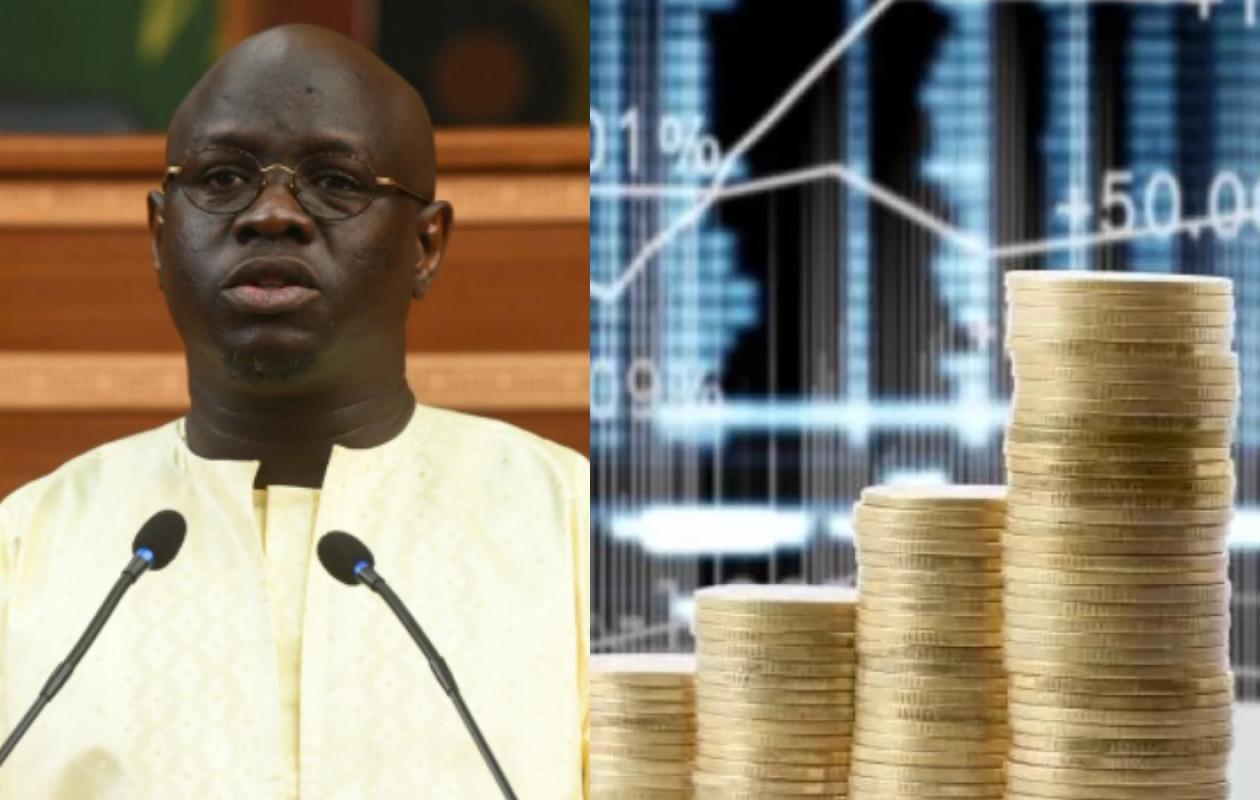
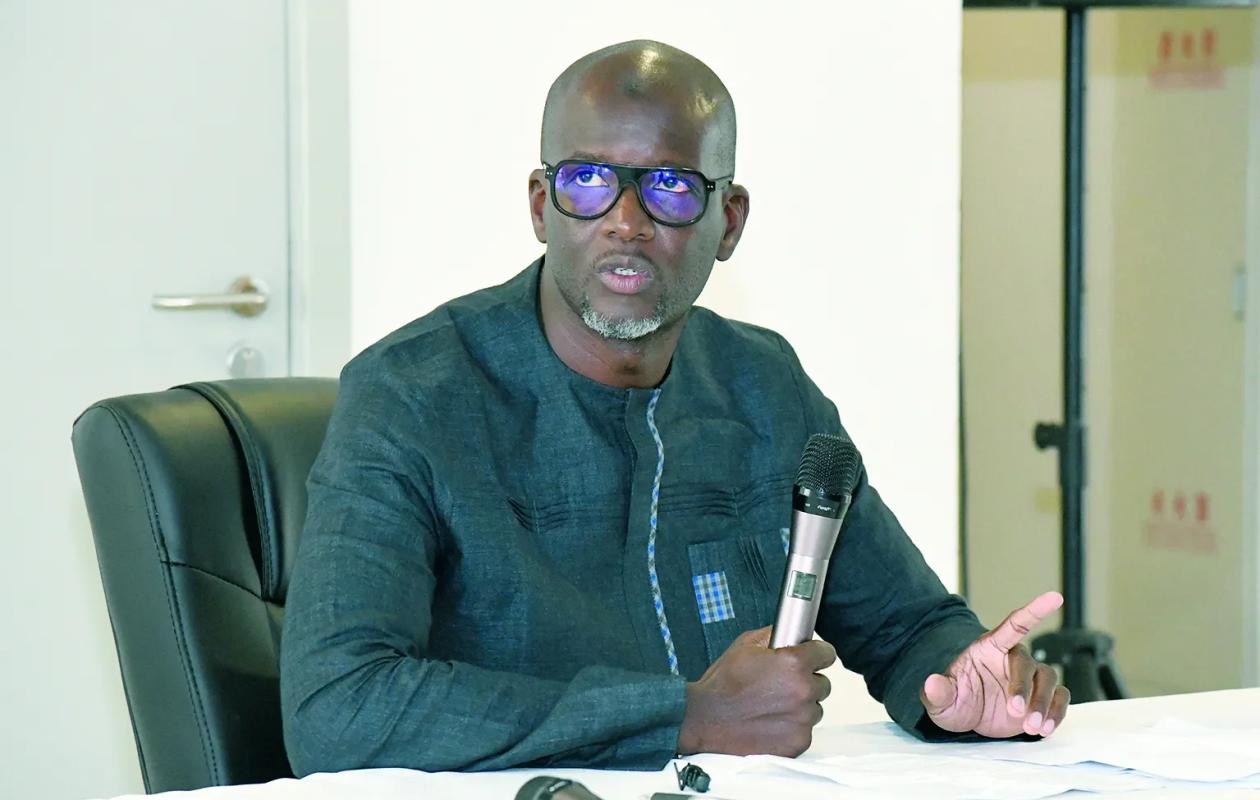
« C’est archi-faux ! » : Cheikh Diba dément tout surendettement depuis l'alternance de 2024
Finance and Budget Minister Cheikh Diba firmly defended the government's budget policy before parliament on Friday, May 22, 2026, rejecting outright the opposition's criticisms of an alleged increase in public debt since the new regime took office. During this marathon question period in the National Assembly, the minister presented figures he deemed particularly concerning regarding the state of public finances inherited from the previous administration.
According to his statements, Senegal's total outstanding public debt currently stands at "just under 24 trillion CFA francs." This represents 119% of the Gross Domestic Product (GDP) for the central government's debt alone, and climbs to 132% of GDP when the liabilities of public institutions are included. Despite the size of this debt, Cheikh Diba asserted that structural reforms are already underway to stabilize state finances and gradually reduce the pressure on the national budget. "Contrary to what some would have us believe, the debt situation has been rigorously addressed since the new regime took office," he emphasized.
A strategy focused on concessional financing and reprofiling
The minister explained that the government is now working to realign the budget deficit with expenditures financed exclusively by concessional resources, in order to limit recourse to much more expensive commercial borrowing on the financial markets. He also noted that the main burden stems from the debt accumulated over previous decades. "This year alone, we will repay more than 4.3 trillion CFA francs in debt servicing," revealed the Minister of Finance.
Faced with recurring accusations of massive borrowing since the political transition, the minister categorically denied them. To sustainably alleviate the state's financial burden, the government is now relying on technical debt swap and reprofiling operations. This strategy involves replacing maturing short-term loans with longer-term, lower-cost financing. "We are exchanging short-term debt for much longer maturities at lower costs," explained Cheikh Diba. According to him, this financial engineering should allow Senegal to gradually regain budgetary flexibility while ensuring strict adherence to the state's international commitments.










Commentaires (1)
Participer à la Discussion
Règles de la communauté :
💡 Astuce : Utilisez des emojis depuis votre téléphone ou le module emoji ci-dessous. Cliquez sur GIF pour ajouter un GIF animé. Collez un lien X/Twitter, TikTok ou Instagram pour l'afficher automatiquement.