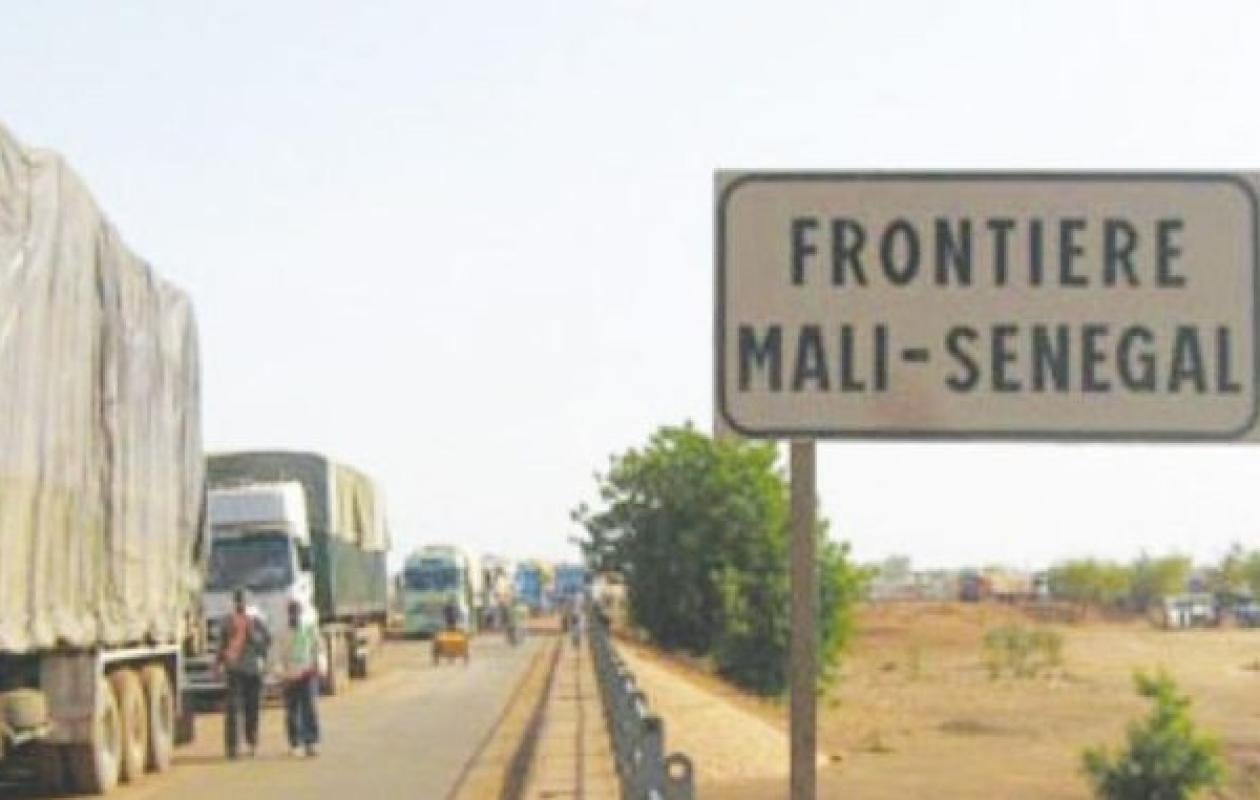
Dakar - Bamako : la route qui pèse sur le commerce de toute une région
The Dakar-Bamako corridor holds a special place in West African trade. This corridor, a key transport axis linking several countries via roads, ports, warehouses, and logistics infrastructure, constitutes one of the main trade links between Senegal and Mali. For a landlocked country like Mali, access to the sea depends largely on this connection with the port of Dakar.
A large portion of Mali's imports transit through Senegal. Food products, construction materials, fuels, industrial equipment, and consumer goods use this route before reaching Bamako and other Malian cities. In the opposite direction, the corridor also facilitates the export of cotton, livestock, gold, and other products to the port of Dakar.
The Port of Dakar plays a central role in this relationship. A significant portion of its traffic originates from transit to Mali. According to port figures, Malian traffic regularly accounts for more than 20% of the volume of goods transiting through Dakar. This activity generates revenue for carriers, freight forwarders, warehouses, customs, and the entire Senegalese logistics chain.
But the efficiency of this corridor remains crucial for regional trade costs. Border delays, bureaucratic hurdles, poor road conditions, and transportation difficulties can quickly drive up the price of goods. Every day lost between Dakar and Bamako increases storage, fuel, and transportation costs. This reduces the competitiveness of businesses and burdens consumers.
Competition between regional corridors has also intensified. Mali can transit some of its goods through the ports of Abidjan, Lomé, or Conakry. Each port seeks to attract more traffic by offering shorter transit times, lower costs, and better infrastructure. Senegal must therefore continuously improve the efficiency of its corridor to maintain its position.
Road modernization projects, the development of logistics platforms, and railway projects can all contribute to strengthening this strategic axis. The rehabilitation of the Dakar-Bamako railway, long plagued by difficulties, is often cited as a key lever for reducing transport costs and improving trade between the two countries.
The Dakar-Bamako corridor is not just a trade route. It determines a significant portion of regional competitiveness, Senegalese port activity, and West African economic integration. When it functions well, trade is faster, less expensive, and more fluid. When it is blocked, an entire economic chain slows down.





















Commentaires (2)
Participer à la Discussion
Règles de la communauté
💡 Astuce : Utilisez des emojis depuis votre téléphone ou le module emoji ci-dessous. Cliquez sur GIF pour ajouter un GIF animé. Collez un lien X/Twitter, TikTok ou Instagram pour l'afficher automatiquement.
Se connecter
Commentez avec votre profil, votre photo, et soyez averti des réponses.