De la matière première au produit fini : le vrai tournant industriel
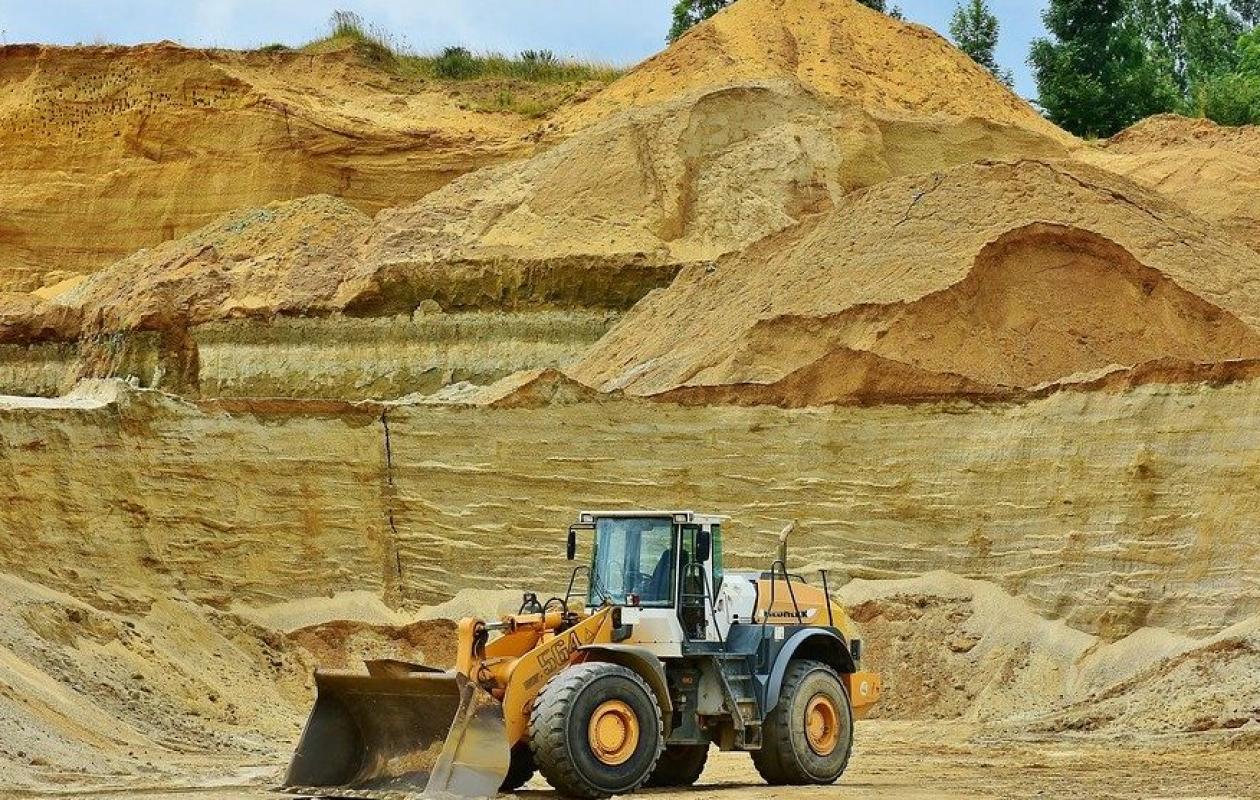
In many African economies, the export structure remains dominated by raw materials. Agricultural products, mineral resources, and fisheries products are often sold unprocessed, then processed abroad before returning to the markets as finished goods. This model limits local value creation and reduces economic benefits in terms of employment, industrialization, and tax revenue. Local processing is therefore a crucial lever for strengthening growth and improving trade balance.
In Senegal, several sectors illustrate this situation. Phosphates, fishery products, peanuts, and certain agricultural products are exported with a low level of processing. According to foreign trade data published by the Directorate of Forecasting and Economic Studies (DPEE), primary products represent a significant share of exports, while imports remain dominated by manufactured goods, processed food products, and industrial equipment. This structure perpetuates a chronic trade deficit and limits the economy's capacity to create industrial jobs.
Local processing allows producers to capture a larger share of the added value. In the peanut sector, for example, the production of oil, meal, or derivative products generates more revenue than simply exporting the seeds. In the fisheries sector, local processing and packaging increase export prices and create jobs in the industry. Several public programs have encouraged the development of processing units, particularly in the agribusiness sector and in designated economic zones.
However, industrial upgrading faces several constraints. Energy costs, difficulties in accessing financing, logistical shortcomings, and the limited size of the domestic market hinder productive investment. Local businesses must also contend with competition from imported products that are often cheaper due to greater economies of scale in industrialized countries. Without gains in competitiveness, local processing can remain difficult to make profitable, even when raw materials are available locally.
The issue, therefore, is not simply about local production, but about creating the conditions for a viable industry. This requires suitable infrastructure, broader access to credit, affordable energy, and better integration with regional markets. The African Continental Free Trade Area is often presented as an opportunity in this regard, as it could expand markets for processed products and reduce dependence on external markets.
Strengthening local processing does not automatically guarantee rapid industrialization, but it is an almost indispensable step for sustainably increasing added value. As long as the economy remains geared towards exporting raw materials and importing processed goods, growth remains fragile and dependent on external factors. The ability to develop industrial sectors around local resources thus appears as one of the major determinants of economic diversification.
























Commentaires (2)
Participer à la Discussion
Règles de la communauté :
💡 Astuce : Utilisez des emojis depuis votre téléphone ou le module emoji ci-dessous. Cliquez sur GIF pour ajouter un GIF animé. Collez un lien X/Twitter, TikTok ou Instagram pour l'afficher automatiquement.