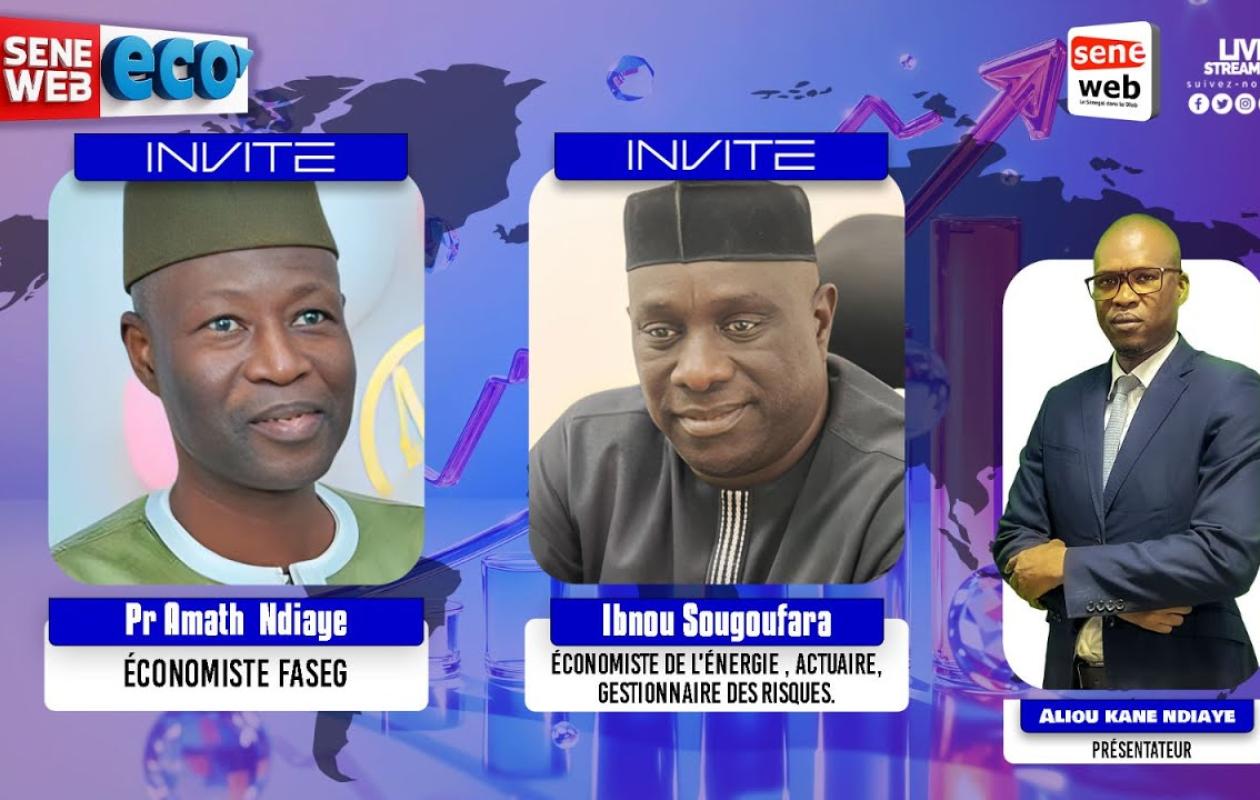
Dette publique : Pr Amath Ndiaye et Ibnou Sougoufara alertent sur une situation « insoutenable »
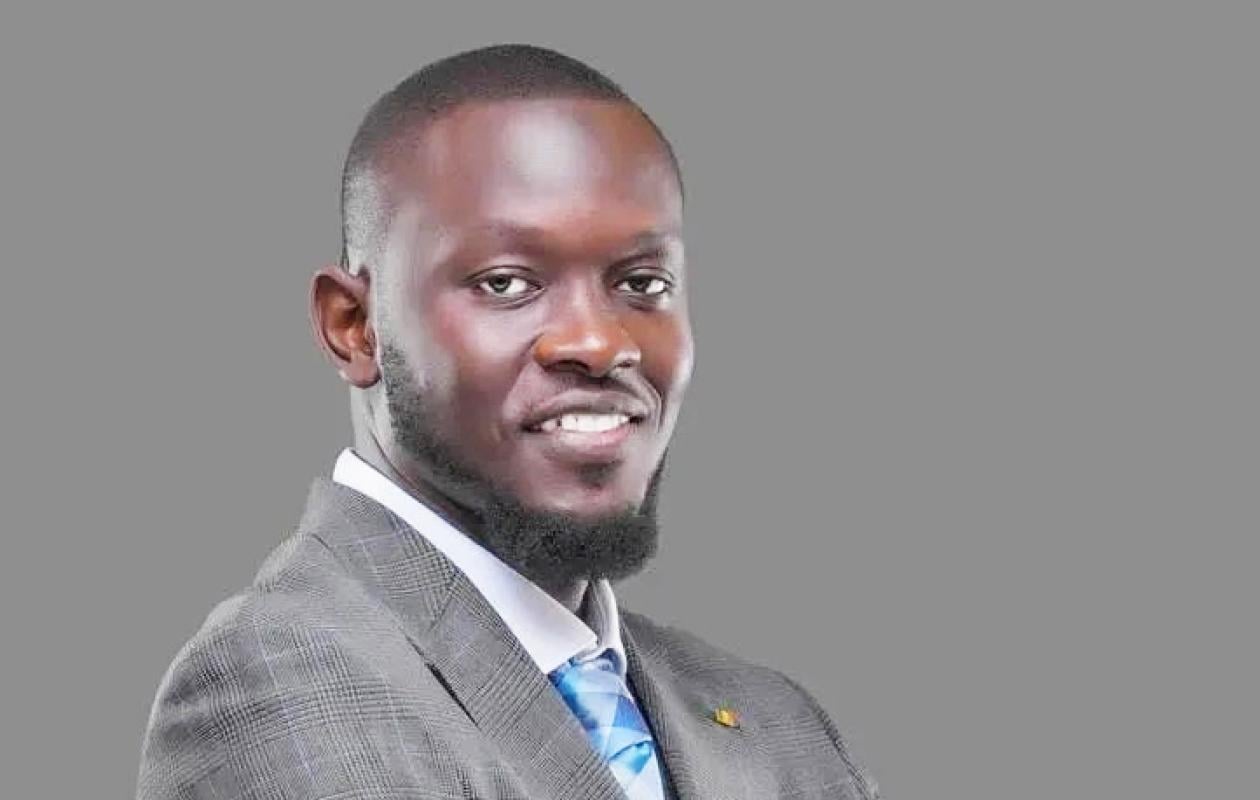
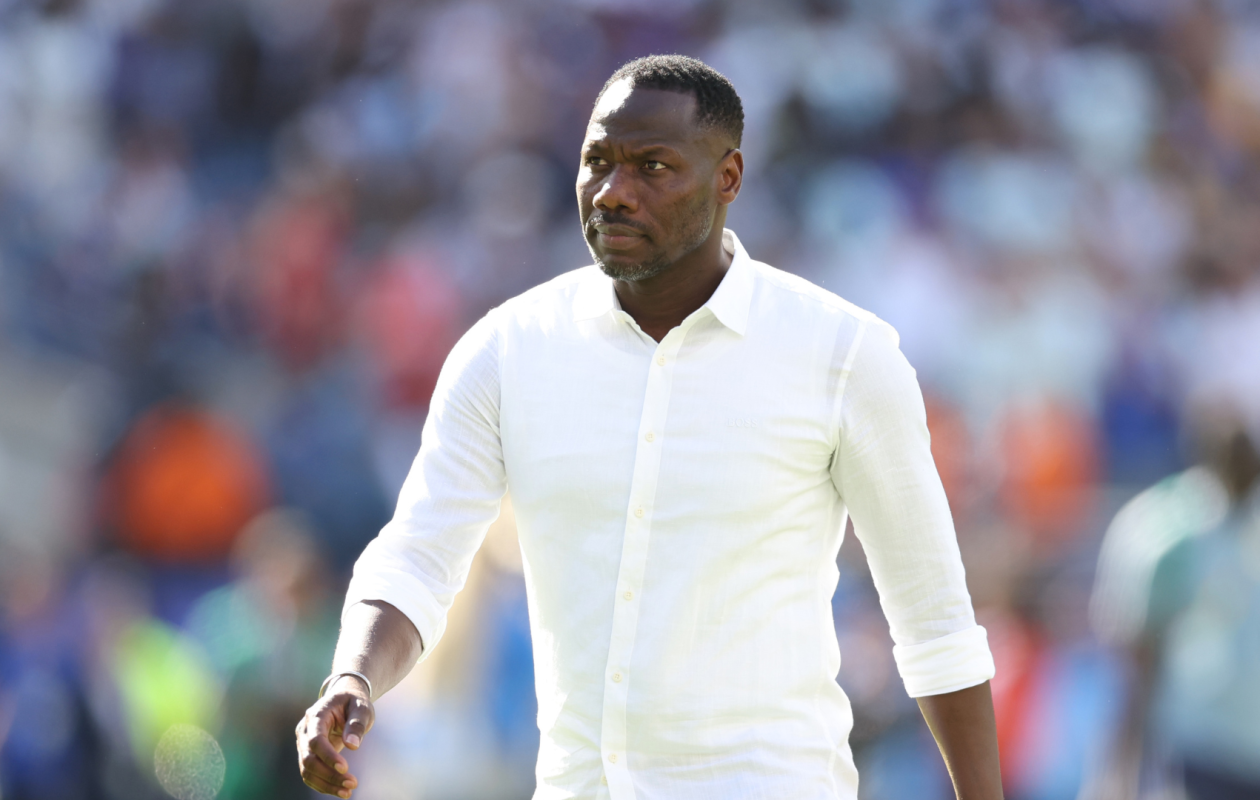
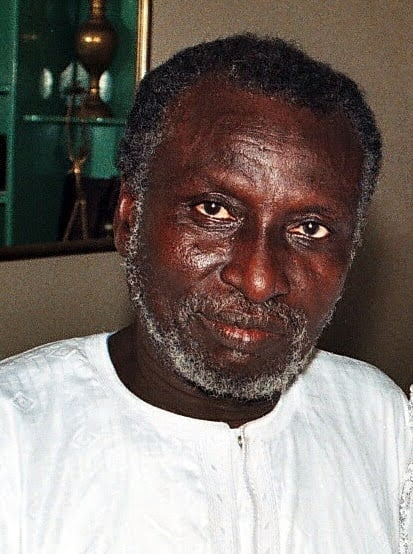
Senegal's public debt has reached a critical level that calls for in-depth restructuring, rather than simple reprofiling. This is the warning issued by Professor Amath Ndiaye and energy economist Ibnou Sougoufara, guests on the Seneweb Eco program on Saturday, January 17, 2026.
According to Professor Amath Ndiaye, a lecturer at the Faculty of Economics and Management at UCAD, "when we talk about restructuring, it means there's a problem." He believes that Senegal's debt is now unsustainable, noting that the country's debt ratio is "between 119% and 132% of GDP, according to initial estimates." At this level, he warns, "there is practically no room left for budgetary maneuver."
Reprofiling or restructuring: a fundamental divergence
Regarding the possible options, Professor Ndiaye considers reprofiling insufficient. "Reprofiling is just postponing the deadlines, but the situation remains the same," he explains, believing that this solution "aggravates the problem."
Ibnou Sougoufara shares this view, emphasizing that Senegal is now perceived as a high-risk country. "Each new loan comes at increasingly higher rates," he warns, adding that "if we don't initiate a restructuring, we'll continue to pay the interest; it's a snowball effect."
The real crux of the problem: debt interest
The two guests agree that the burden of interest payments is stifling public finances. "In debt, the problem isn't the principal, because the main part is refinanced. The real problem is the interest," explains Professor Ndiaye.
According to him, nearly 25% of the national budget is currently devoted to serving interests. "That's more than the budget of the Ministry of National Education, more than that of Higher Education, and even more than these two ministries combined."
Ibnou Sougoufara added, referring to acute financial stress: "When a quarter of the budget goes to interest, you are forced to sacrifice either investment or social programs. That is exactly what we are experiencing."
Thus, for both experts, restructuring appears to be the most responsible option. "With restructuring, we ask creditors to make efforts: a discount, a reduction in interest rates, sometimes a moratorium. This is what allows the State to breathe," argues Professor Amath Ndiaye.
Both speakers also believe that no credible restructuring can take place without the support of the International Monetary Fund (IMF). "The IMF is essential because it provides the necessary credibility with creditors and financial markets," states Ibnou Sougoufara. "The IMF conducts a debt sustainability analysis. If the debt is not sustainable—and at this level, it is not—then restructuring is imperative," concludes Professor Ndiaye.

















Commentaires (9)
Ensuite j'aurai bien aime avoir l'avis de ces experts sur l'evolution de cette sur les deux denieres annees. C'est a dire durant le magistere de Pastef au pouvoir. Ensuite le toilettage de la dette avec ce qu'il convient d;appeler rebasing. Mieux la projection de croissance pour les annees a venir est ce que ces nouveaux elements peuvent changer la trajectoire de la dette et eviter la restructuration. Bref quels sont les scenarios a envisager pour maintenir le staut quo concernant cette dette. Est-ce qu'il existe ce genre de scenarios?
On aimerait les voir faire plus de travaux purement académiques et scientifiques, écrire dans des revues, écrire des ouvrages techniques et moins être dans la presse vouée à la politique quotidienne
Elle entraîne presque toujours :
Dégradation sévère de la notation souveraine
Fermeture des marchés financiers pendant plusieurs années
Fuite ou gel de certains investissements privés
Hausse durable du coût du crédit, même après l’opération
Exemple : Ghana, Zambie, Sri Lanka
La restructuration soulage à court terme, mais plombe la capacité d’emprunt futur.
Des universitaires se prononcent sur la situation dramatique de notre pays, des politiciens interviennent pour leur demander de rester dans leurs coins et s'abstenir d'alerter les pauvres sénégalais à qui l'on abreuve à volonté des faits divers comme pour endormir ceux à qui Diomaye et Sonko avaient promis le confort absolu des la première année de leur arrivée au pouvoir.
Félicitons le Pr Amath Ndiaye et à. Sougoufara pour parler au oeuple abusé au moment où 90% de nos universitaires qui s'agitaient entre 2021 et 2023 et qui ont avalé leurs langues.
Basta. Ça suffit pour l'hypocrisie. Laissez les sachants patriotes parler de la marche du pays chaque jour et partout. Nous sommes attentifs à ce qu'ils disent.
Participer à la Discussion
Règles de la communauté
💡 Astuce : Utilisez des emojis depuis votre téléphone ou le module emoji ci-dessous. Cliquez sur GIF pour ajouter un GIF animé. Collez un lien X/Twitter, TikTok ou Instagram pour l'afficher automatiquement.
Se connecter
Commentez avec votre profil, votre photo, et soyez averti des réponses.