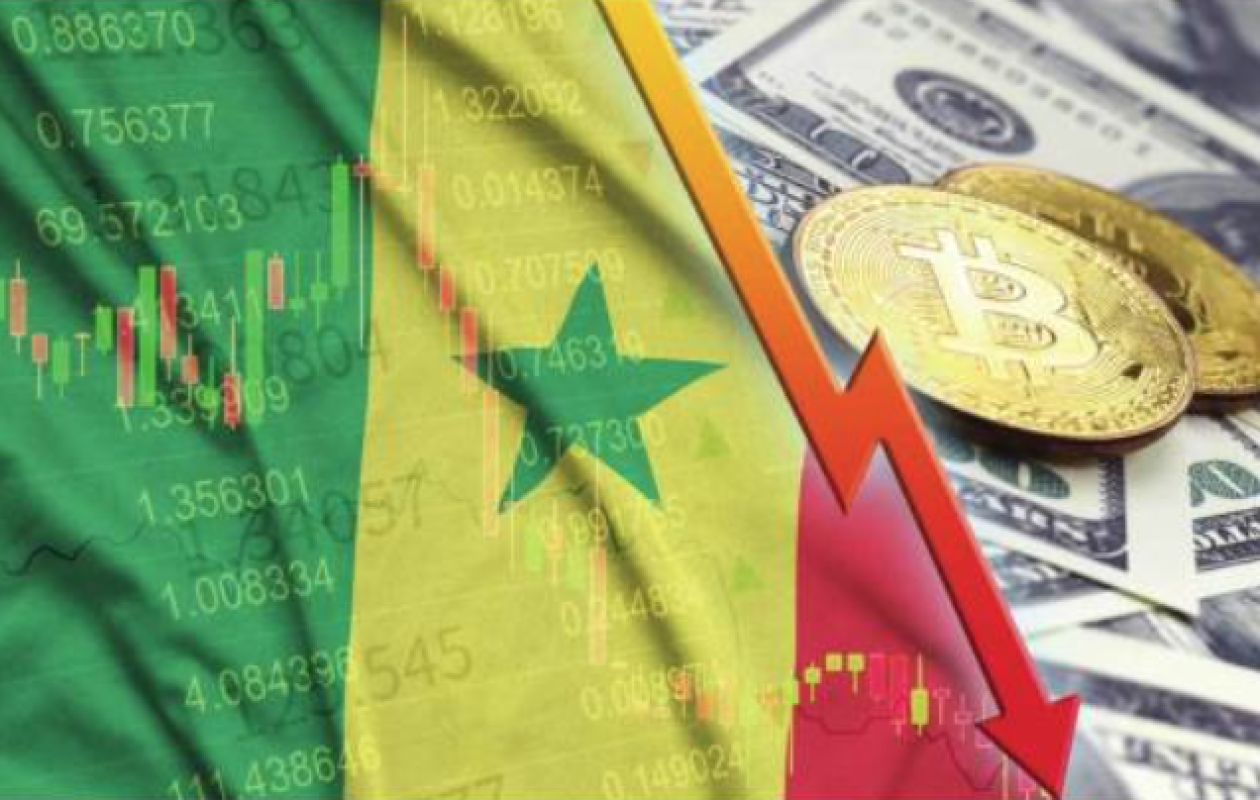
Diplomatie économique : L'autre front de la compétition pour les capitaux
Diplomacy is no longer limited to political balances or protocol. It now directly influences economic trajectories. Bilateral agreements, official visits, investment forums, and trade negotiations all have a tangible impact on capital flows, market access, and the location of industrial projects. Foreign policy is thus becoming a fully-fledged tool for growth.
This trend is reflected in investment flows. Foreign direct investment in Africa reached approximately $97 billion in 2024, according to UNCTAD ( United Nations Conference on Trade and Development), an unprecedented level. This growth is not solely explained by natural resources or demographic potential. It also reflects an intensification of economic influence strategies between states and increased competition to capture markets and industrial opportunities.
China plays a central role in this dynamic. At the 2024 Forum on China-Africa Cooperation, Beijing announced $51 billion in financing over three years. These commitments cover infrastructure, agriculture, energy, and special economic zones. Behind these sums lie railway projects, power plants, industrial parks, and contracts that are shaping local economies for the long term.
The Gulf states also follow this pattern. Capital flows from these countries have amounted to tens of billions of dollars in recent years, particularly in ports, energy, agriculture, and real estate. Their involvement often relies on sovereign wealth funds capable of rapidly mobilizing significant capital, enabling them to secure control of strategic projects.
In this context, African states are seeking to broaden their partnerships to avoid excessive dependence. Senegal is a prime example of this realignment. Since 2024, the new authorities have demonstrated a desire to rebalance foreign relations, adopting a more sovereignist rhetoric and distancing themselves from certain historical partners. In practice, this shift has not resulted in a sudden break, but rather in a deliberate diversification of alliances. The country continues to work with the European Union, while simultaneously strengthening its ties with other actors such as China, the Gulf States, Turkey, and Morocco. This strategy aims less at replacing a partner than at expanding negotiating leverage and better distributing economic dependencies.
The effect of this diplomacy, however, depends on its concrete implementation. A trade agreement can open up new markets, but it can also increase imports if local supply remains uncompetitive. Infrastructure financing can support economic activity, but it can also increase debt if the projects do not generate sufficient revenue. Diplomatic announcements only produce lasting effects when they are part of a coherent economic strategy.
Economic diplomacy thus acts as a potential accelerator, but it does not by itself guarantee productive transformation. It creates opportunities, the impact of which then depends on the ability of economies to seize them, structure them, and sustain them over time.






![[EXCLUSIF] Affaire PCD : Un célèbre acteur et 2 agents du Port écroués, le maître coranique C. B. Mbacké et un vétérinaire libérés](https://image.seneweb.com/content/news/2026-18-30//thumb_1260x800_69f390db21da9_TjrX268QWW.jpg)








Commentaires (0)
Participer à la Discussion
Règles de la communauté :
💡 Astuce : Utilisez des emojis depuis votre téléphone ou le module emoji ci-dessous. Cliquez sur GIF pour ajouter un GIF animé. Collez un lien X/Twitter, TikTok ou Instagram pour l'afficher automatiquement.