Droits de douane et fiscalité en Afrique de l'Ouest
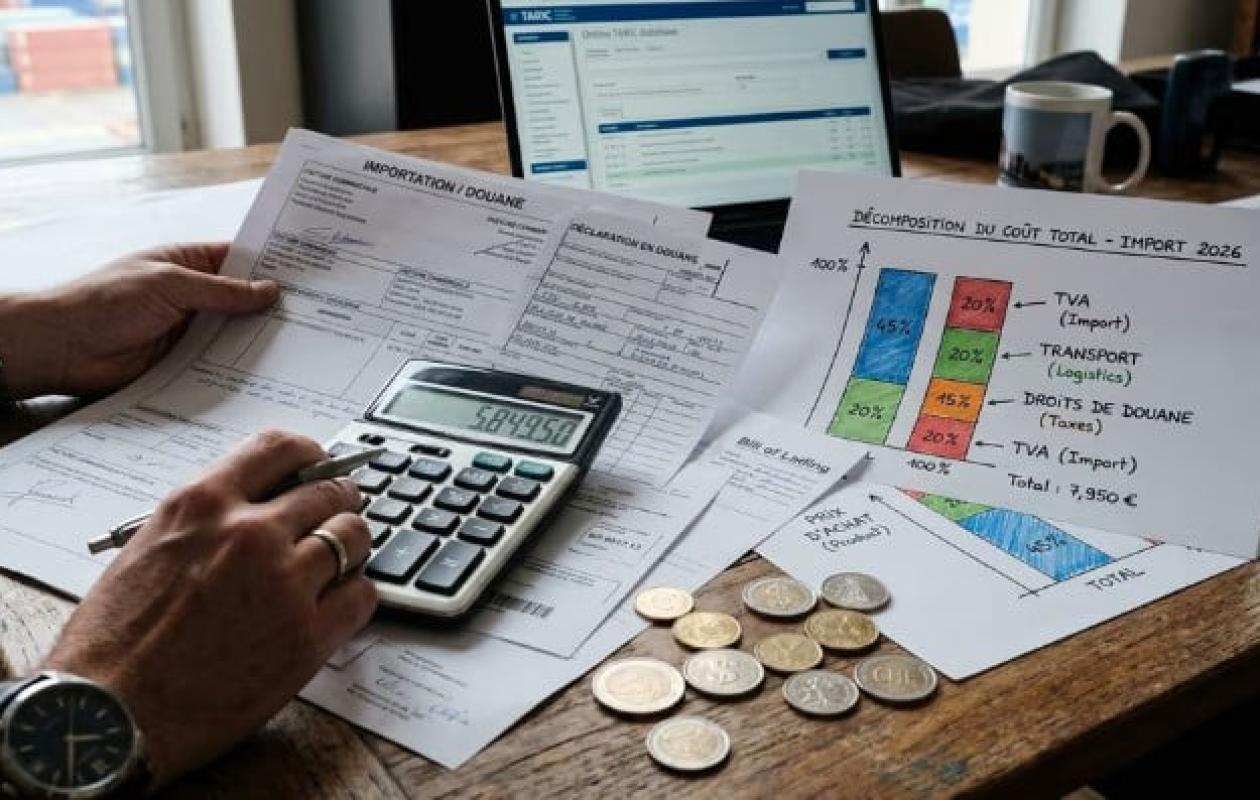
In several West African countries, customs revenues still play a significant role in public finances. A substantial portion of state resources comes from taxes levied on imports, whether customs duties, import VAT, or other levies applied to goods entering the country.
This dependence can be explained by several reasons. Customs administrations are often more efficient than domestic tax systems, as it is simpler to tax goods upon entry to ports, airports, or borders than to levy taxes on a largely informal economy. Customs revenues thus offer a relatively stable and easy-to-collect source of income.
In Senegal, as in several other WAEMU countries, import duties and taxes represent a significant portion of tax revenue. Fuels, food products, vehicles, construction materials, and consumer goods constitute major sources of revenue for the government. Port and customs administrations thus play a central role in maintaining budgetary balance.
But this dependence also has its limits. When trade slows down, customs revenues fall rapidly. A decrease in imports, linked for example to an economic slowdown, a drop in consumption, or a rise in international prices, immediately reduces tax revenues.
Regional agreements can also weaken this source of revenue. Economic integration within ECOWAS, WAEMU, or the AfCFTA relies on a gradual reduction of tariff barriers between African countries. This development promotes regional trade, but it also deprives states of a portion of their traditional revenue.
The paradox is that governments must support economic integration while simultaneously finding alternative sources of financing. As tariffs decrease, it becomes necessary to strengthen domestic taxation, broaden the tax base, and improve tax collection.
This transition remains delicate in economies where the informal sector remains very large. A significant portion of economic activity still escapes traditional taxation, which forces states to continue relying on customs revenues despite their fragility.
West African public finances therefore remain highly dependent on foreign trade. However, this source of revenue is becoming more uncertain as trade patterns evolve, regional agreements develop, and economies seek greater integration.
Aicha Fall
























Commentaires (0)
Participer à la Discussion
Règles de la communauté :
💡 Astuce : Utilisez des emojis depuis votre téléphone ou le module emoji ci-dessous. Cliquez sur GIF pour ajouter un GIF animé. Collez un lien X/Twitter, TikTok ou Instagram pour l'afficher automatiquement.