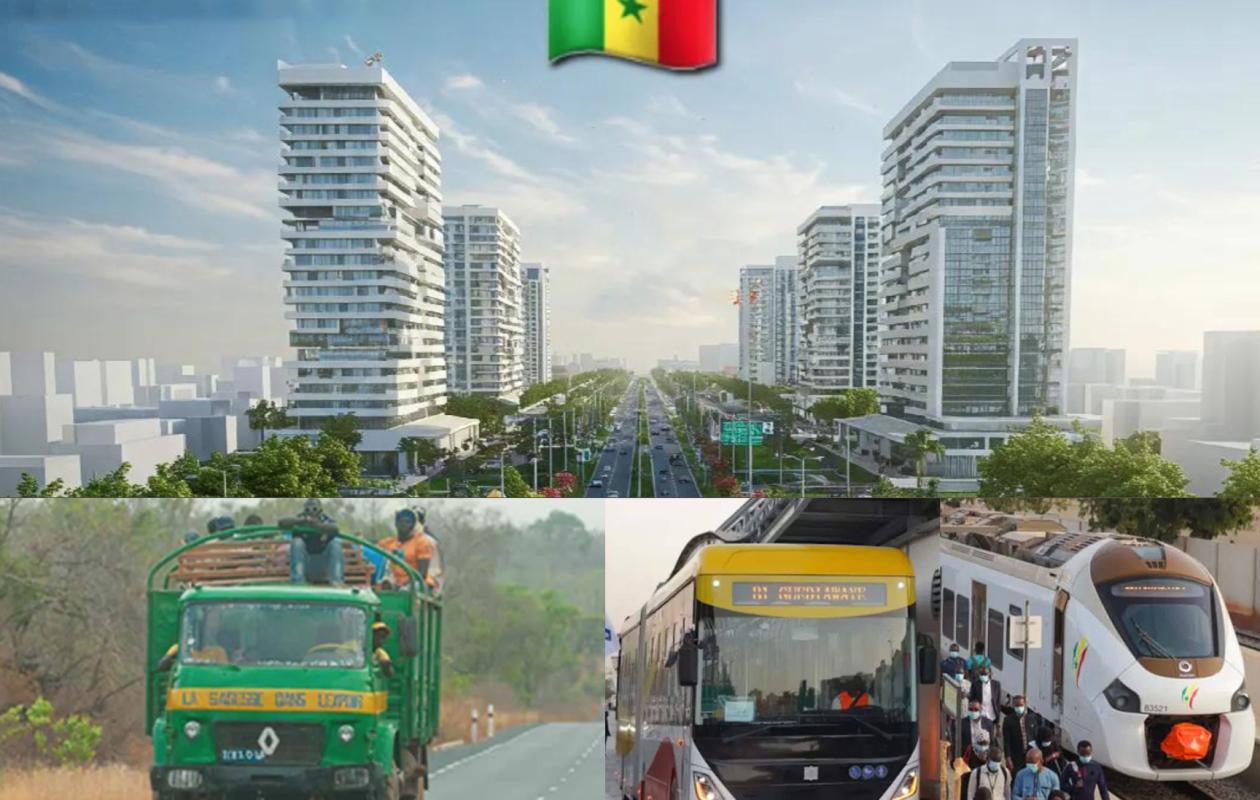
Entre capitales dynamiques et campagnes délaissées : Le grand écart territorial
In many African countries, public spending is concentrated primarily in capital cities and major urban centers. Roads, hospitals, universities, water networks, digital infrastructure, and public transportation are more visible in cities than in rural areas. This imbalance creates what economists call an "urban bias in public policy."
Governments often prioritize urban areas because they concentrate a significant portion of the population, economic activity, media attention, and political attention. A traffic jam in Dakar, a power outage in Abidjan, or a water shortage in a major city quickly triggers a strong public reaction. Rural needs, on the other hand, are often less visible and receive less public attention.
This logic is reflected in many investments. Modern road infrastructure, universities, specialized hospitals, and industrial zones are predominantly located in large urban areas. Conversely, some rural areas continue to lack passable roads, access to electricity, healthcare facilities, and irrigation systems.
In Senegal, a significant portion of the economic infrastructure remains concentrated along the Dakar-Thiès-Mbour axis. This area holds the majority of formal employment, financial institutions, administrative services, and private investment. Other regions, particularly in the east and south of the country, have less infrastructure and attract less capital.
This imbalance has significant economic consequences. Rural areas often have fewer public services, less access to financing, and fewer job opportunities. This pushes part of the population to migrate to cities, further exacerbating territorial inequalities.
Agriculture particularly illustrates this phenomenon. A large part of the working population still works in rural areas, but public spending on irrigation, storage, access roads or agri-food processing often remains insufficient compared to the needs.
This urban bias can also exacerbate social inequalities. Households living outside major cities face higher costs for accessing healthcare, education, markets, and administrative services. Poor road conditions, remote schools, and a lack of electricity directly limit economic opportunities.
Rebalancing investments between cities and rural areas does not mean reducing urban spending. Rather, it means better distributing infrastructure, public services, and funding to prevent any part of the territory from remaining permanently excluded from growth.




















Commentaires (1)
Participer à la Discussion
Règles de la communauté :
💡 Astuce : Utilisez des emojis depuis votre téléphone ou le module emoji ci-dessous. Cliquez sur GIF pour ajouter un GIF animé. Collez un lien X/Twitter, TikTok ou Instagram pour l'afficher automatiquement.