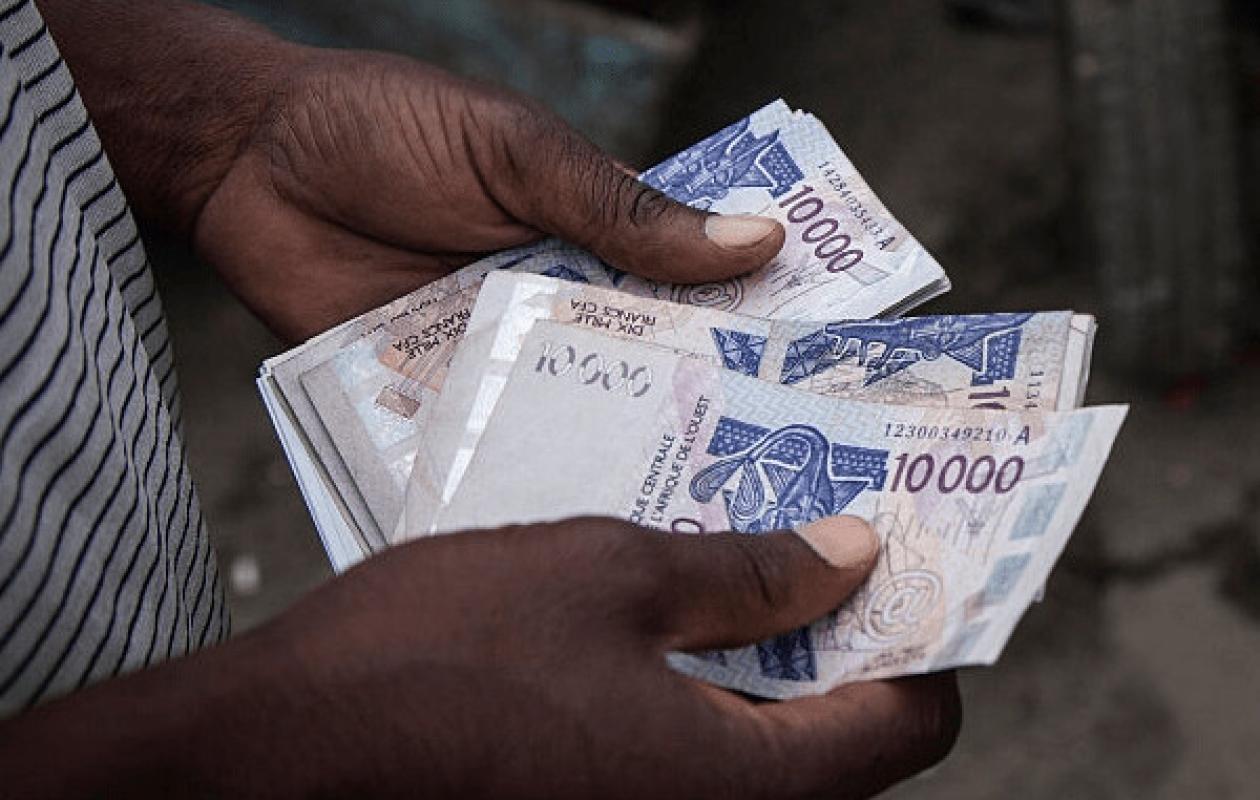
Finances publiques : Pourquoi l'argent de l'État sénégalais est beaucoup plus fragile qu'on ne le pense
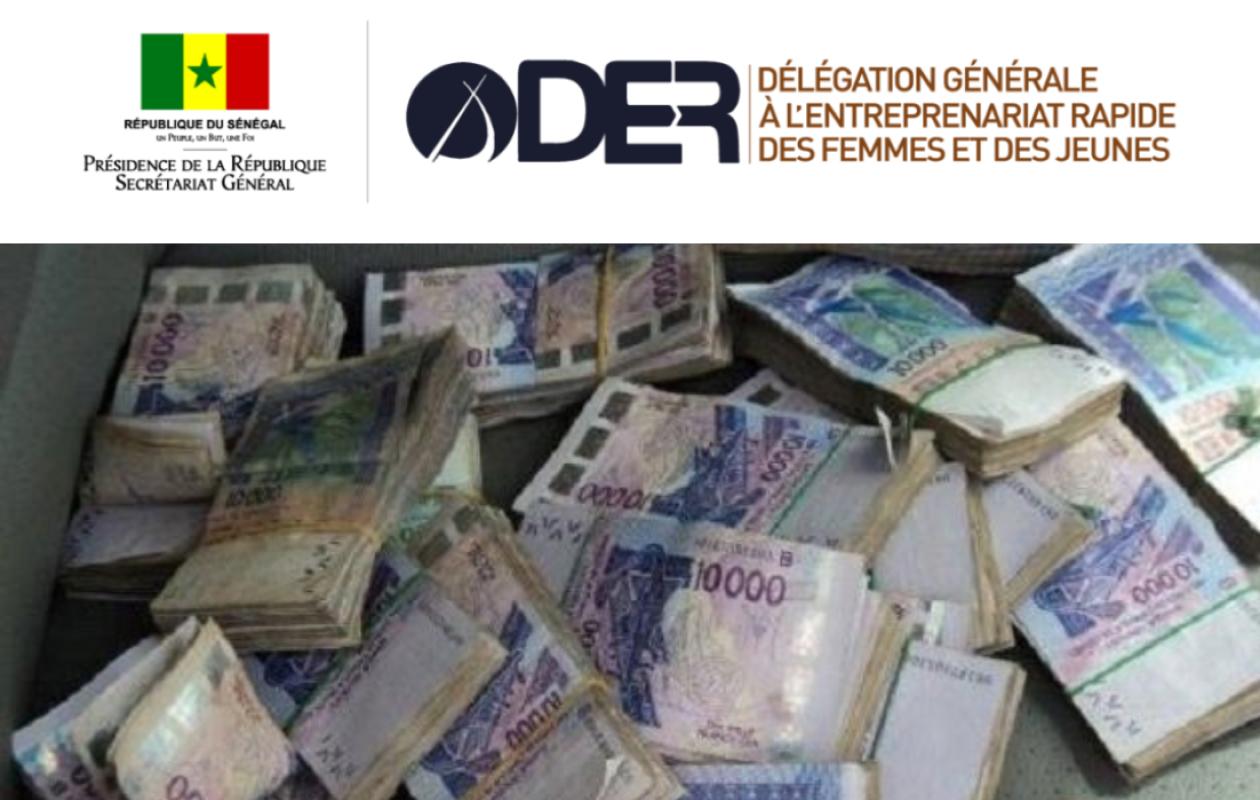
Preparing a budget requires the ability to anticipate, with a reasonable degree of accuracy, the revenues that will flow into the state coffers. However, in many African countries, this exercise remains particularly challenging. Public resources often depend on unstable factors that can fluctuate rapidly from one year to the next, or even from one quarter to the next.
Customs revenues clearly illustrate this vulnerability. In several West African countries, a significant portion of government revenue still comes from taxed imports. When import volumes slow, when international prices fall, or when trade agreements reduce certain customs duties, government revenues can decline rapidly.
Raw materials also play a crucial role. Countries exporting oil, gold, cocoa, cotton, or phosphates remain highly vulnerable to fluctuations in global prices. A price increase can quickly improve public finances, while a sudden downturn can lead to significant losses.
Senegal itself remains vulnerable to this volatility, particularly through revenues from foreign trade, import VAT, and duties on petroleum products. New revenues expected from oil and gas could exacerbate this vulnerability if public finances become overly dependent on hydrocarbon income.
External aid adds another source of uncertainty. A portion of national budgets still relies on concessional financing, budget support, or grants from international partners. However, these resources can be delayed, reduced, or suspended depending on donor priorities or political developments.
This instability greatly complicates budget planning. A state may pass a budget law based on optimistic forecasts, then be forced to revise its spending a few months later if revenues fall short of expectations. This can lead to budget cuts, payment delays, or increased borrowing.
Public investment is often the first casualty of these adjustments. When revenue is lacking, governments postpone certain projects, slow down capital spending, or reduce infrastructure funding. Social and wage expenditures are generally more difficult to cut in the short term.
This high volatility explains why states are increasingly seeking to diversify their revenue sources. Broadening the tax base, better integrating the informal economy, developing property taxation, or reducing dependence on customs revenue would make public finances more predictable and less vulnerable to external shocks.













Commentaires (2)
Participer à la Discussion
Règles de la communauté :
💡 Astuce : Utilisez des emojis depuis votre téléphone ou le module emoji ci-dessous. Cliquez sur GIF pour ajouter un GIF animé. Collez un lien X/Twitter, TikTok ou Instagram pour l'afficher automatiquement.