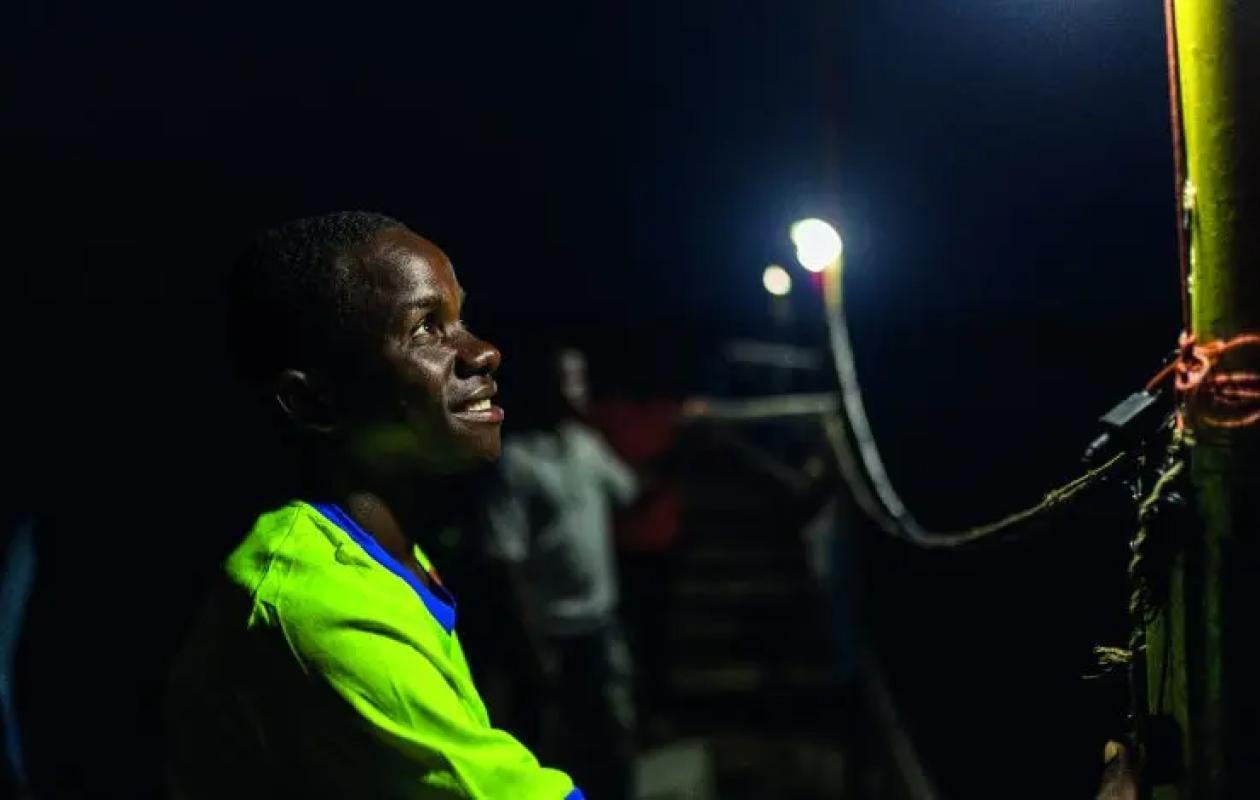
Fonds verts, obligations durables : garanties, les nouveaux leviers du financement énergétique africain
For over a decade, major climate conferences have made numerous commitments to finance the energy transition in developing countries. However, a considerable gap remains between the amounts pledged and the resources actually mobilized. For many African countries, the question is therefore no longer simply how much funding will be promised at upcoming international summits, but rather how to quickly secure the capital needed to build power plants, energy transmission networks, storage infrastructure, or low-carbon industrial projects.
The challenge is immense. According to the International Energy Agency, annual energy investments in Africa should exceed $200 billion by 2030 to simultaneously meet the objectives of access to electricity, economic growth, and energy transition. However, current investment flows remain far below this level.
This issue is all the more strategic given the continent's unique starting point. According to the World Bank, nearly 600 million Africans still lack access to electricity. The African energy transition, therefore, is not simply a matter of replacing existing infrastructure with cleaner technologies, as is often the case in developed economies. It also involves the massive construction of new generation capacity to meet energy demand, which is expected to grow significantly due to urbanization, industrialization, and population growth.
In this context, financing mechanisms are gradually diversifying. International climate funds continue to play an important role, but they cannot cover all the needs on their own. The debate is therefore shifting towards the capacity of African economies to attract more private investment and develop their own financing tools.
Green bonds exemplify this trend. These securities finance projects with identified environmental benefits, whether in renewable energy, clean transportation, or energy efficiency. The global green bond market has exceeded $1 trillion in annual issuance in recent years, according to the Climate Bonds Initiative. Africa remains a marginal player in this market, but several recent transactions demonstrate a gradual increase in the use of these instruments.
Côte d'Ivoire recently provided an example of this with the Poro Power operation, presented as the first green project financing bond in the WAEMU region. The financial structure put in place is intended to finance a 66 MW solar power plant in Korhogo, with the objective of supplying electricity to more than 100,000 households while reducing carbon emissions.
The emergence of these instruments reflects a broader shift in energy infrastructure financing. African institutional investors, including insurance companies, pension funds, and some sovereign wealth funds, possess significant resources that could be better directed toward long-term, productive projects. According to data from the Organisation for Economic Co-operation and Development and the African Sovereign Wealth Funds Forum, several sovereign wealth funds on the continent now manage assets worth tens of billions of dollars.
Public-private partnerships are also playing an increasingly important role in this capital mobilization strategy. Faced with budgetary constraints, many states are seeking to share risks with private investors in order to accelerate the development of energy infrastructure without bearing the entire cost alone.
Senegal partially illustrates this approach. The Grand Tortue Ahmeyim and Sangomar gas projects are accompanied by broader considerations regarding how to finance the energy infrastructure necessary for the country's industrialization and improved access to electricity. Expected hydrocarbon revenues are often presented as an opportunity to support future investments in energy and infrastructure, even though their mobilization will depend on budgetary and industrial choices that have yet to be made.
One of the main obstacles, however, remains the cost of capital. Several studies by the African Development Bank show that African projects often incur higher financing costs than comparable projects in other parts of the world. This situation reduces their profitability and sometimes slows their implementation, even when their economic viability is recognized.
It is precisely to address this difficulty that guarantee mechanisms are becoming increasingly important. The African Solidarity Fund approved nearly 233 billion CFA francs in guarantees in the first quarter of 2026 to facilitate the mobilization of financing in several strategic sectors, including energy. By reducing the risk perceived by lenders, these mechanisms often help attract more private capital.
The central issue is therefore no longer solely that of the climate commitments announced at major international conferences. The coming years will depend just as much on the ability of African states, regional institutions, and private investors to build mechanisms capable of transforming available savings into concrete infrastructure. Because in the energy sector, the transition is not measured solely by objectives or declarations, but also by the speed with which funding can be mobilized and converted into operational projects.















Commentaires (0)
Participer à la Discussion
Règles de la communauté :
💡 Astuce : Utilisez des emojis depuis votre téléphone ou le module emoji ci-dessous. Cliquez sur GIF pour ajouter un GIF animé. Collez un lien X/Twitter, TikTok ou Instagram pour l'afficher automatiquement.