Immobilier : Acheter un terrain au Sénégal est-il devenu plus rentable que de créer une entreprise ?
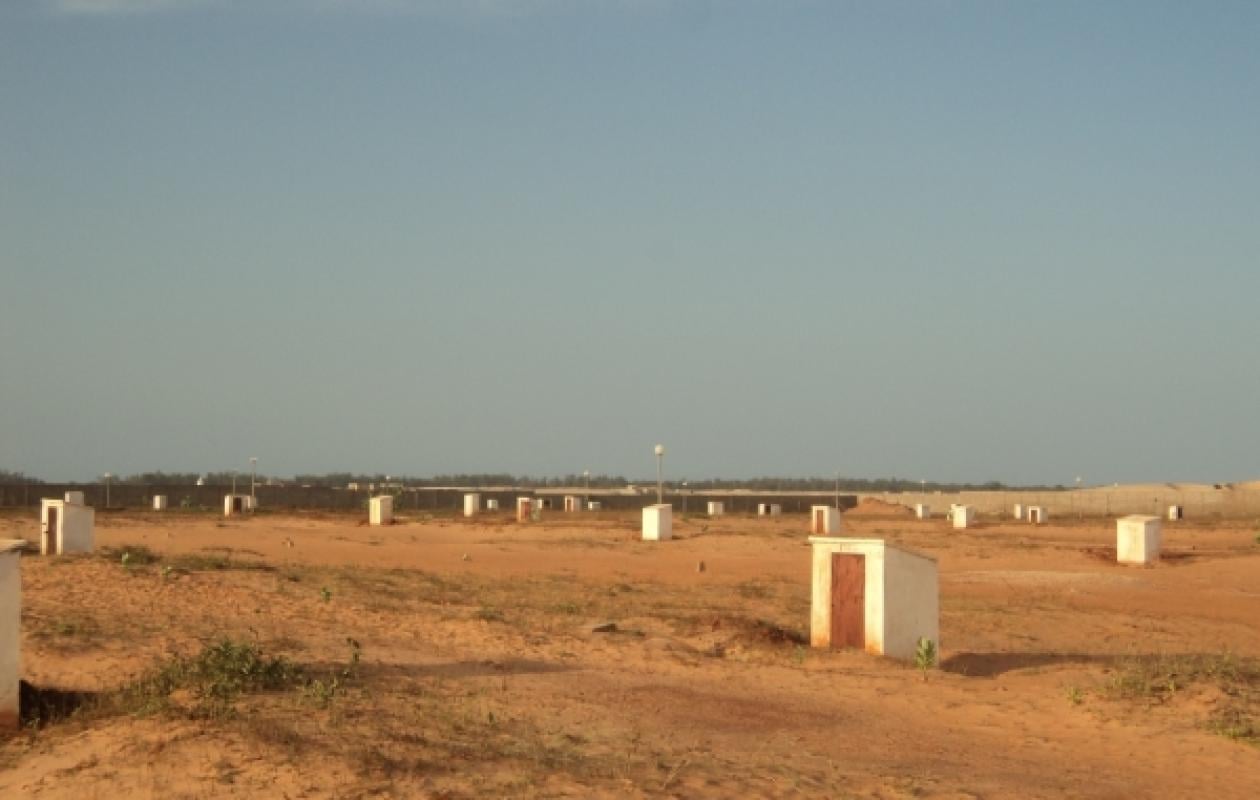
In several major West African cities, land prices have risen sharply over the past two decades. Population growth, rapid urbanization, and the allure of real estate investment have transformed land into a sought-after financial asset. Buying land is no longer just a means of construction, but also a considered safe investment, often more profitable than other forms of investment. This dynamic can create wealth for some, but it complicates urban planning and increases housing costs for a large segment of the population.
In Dakar, the rise in land prices illustrates this trend. In several areas of the capital and its suburbs, land values have multiplied in just a few years, particularly in neighborhoods like Almadies, Ngor, Yoff, and along the Diamniadio axis. Plots initially allocated at affordable prices are sometimes resold several times before any construction takes place, generating significant capital gains. This phenomenon attracts investors who buy land to resell later, without necessarily developing any real estate projects, thus reducing the available supply for housing and economic activities.
Land speculation isn't limited to individuals. It can also affect larger-scale operations linked to urban development projects or city expansions. The mere announcement of a new road, industrial park, or public program is sometimes enough to drive up prices, even before construction begins. Land changes hands, costs increase, and projects become more difficult to complete, as land prices represent a growing share of the total cost.
This situation complicates housing policy. When land prices rise faster than incomes, building affordable housing becomes difficult, even with public programs. Developers pass on the cost of land to the final price, excluding a large portion of households from the formal market. Self-build housing and unplanned urbanization then develop on the outskirts, with direct consequences for transportation, public services, and urban planning.
Speculation can also divert resources away from productive investment. In an environment where land values are rapidly increasing, some investors prefer to buy land rather than finance businesses or industrial activities, which are considered riskier. This shift of savings towards real estate reduces the capital available for production, even though economies need investment in industry, agriculture, and high-value-added services.
Land remains a crucial element of development, but its rapid increase in value can become an obstacle when it escapes all regulation. Effective urban policy requires better planning, clear protection of property rights, and mechanisms capable of limiting excessive price increases. Without these, land ceases to be a support for development and becomes a factor of exclusion and economic imbalance.


















Commentaires (10)
Participer à la Discussion
Règles de la communauté :
💡 Astuce : Utilisez des emojis depuis votre téléphone ou le module emoji ci-dessous. Cliquez sur GIF pour ajouter un GIF animé. Collez un lien X/Twitter, TikTok ou Instagram pour l'afficher automatiquement.