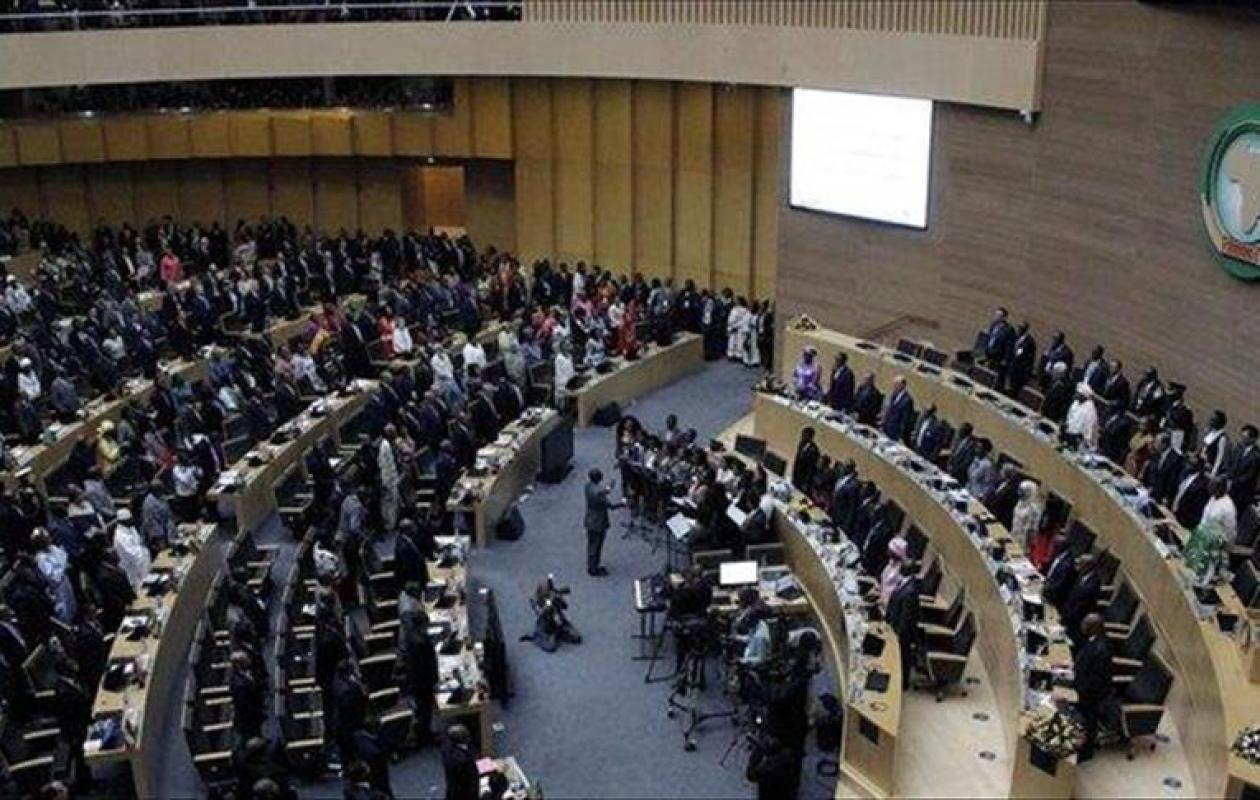
Intégration ouest africaine, entre architecture institutionnelle ambitieuse et commerce encore timide
West Africa has had some of the most structured regional organizations on the continent for several decades. The Economic Community of West African States (ECOWAS) and the West African Economic and Monetary Union (WAEMU) have laid solid legal foundations for free movement of goods and services, customs unions, and macroeconomic convergence. On paper, the instruments exist to foster an integrated regional market of over 400 million people. In practice, however, the results remain mixed.
According to data from the African Development Bank and the United Nations Economic Commission for Africa, intra-West African trade represents on average between 12% and 15% of the region's total trade, a proportion significantly lower than that observed in Europe or Asia, where internal flows exceed 50%. This relative weakness raises questions about the capacity of institutional frameworks to produce tangible economic effects.
The West African Economic and Monetary Union (UEMOA) has, however, established a common external tariff since 2000 and a shared currency, the CFA franc, which eliminates exchange rate risk between its eight member states. The Economic Community of West African States (ECOWAS) has adopted a trade liberalization scheme aimed at eliminating customs duties on products originating in the region. In theory, these mechanisms should encourage specialization, economies of scale, and the free movement of goods. In practice, however, non-tariff barriers persist. Multiple roadside checks, redundant administrative requirements, border delays, and discrepancies in the application of technical standards hinder economic operators.
The World Bank, in its Africa Trade Competitiveness Diagnostic report, highlights that transport costs and logistical delays in West Africa are among the highest in the world relative to the value of goods. A truck can take several days to cross some borders, thus reducing the theoretical benefit of eliminating customs duties. Furthermore, sometimes divergent regulations between ECOWAS and WAEMU, particularly in fiscal and regulatory matters, complicate the business environment.
The gains from integration are not insignificant. WAEMU member countries benefit from controlled inflation, structured budgetary discipline, and a regional financial market that allows them to mobilize local savings. The free movement of people, particularly within ECOWAS, has facilitated economic migration and intra-regional remittances. However, these institutional advances have not yet translated into a profound transformation of productive structures.
One explanation lies in the similarity of economies. Many countries export comparable primary products and import manufactured goods from Europe or Asia. The lack of integrated regional value chains limits trade complementarity. As long as industrialization remains embryonic and transport infrastructure remains uneven, the potential of a fully functional regional market will remain partially untapped.
Regional integration is therefore not measured solely by the sophistication of treaties. It depends on their effective implementation, the harmonization of administrative practices, and the capacity to create cross-border production chains. West African institutions have laid important foundations. The real challenge now lies in translating these commitments into concrete trade flows, cross-border investments, and sustainable jobs within the region.




















Commentaires (0)
Participer à la Discussion
Règles de la communauté :
💡 Astuce : Utilisez des emojis depuis votre téléphone ou le module emoji ci-dessous. Cliquez sur GIF pour ajouter un GIF animé. Collez un lien X/Twitter, TikTok ou Instagram pour l'afficher automatiquement.