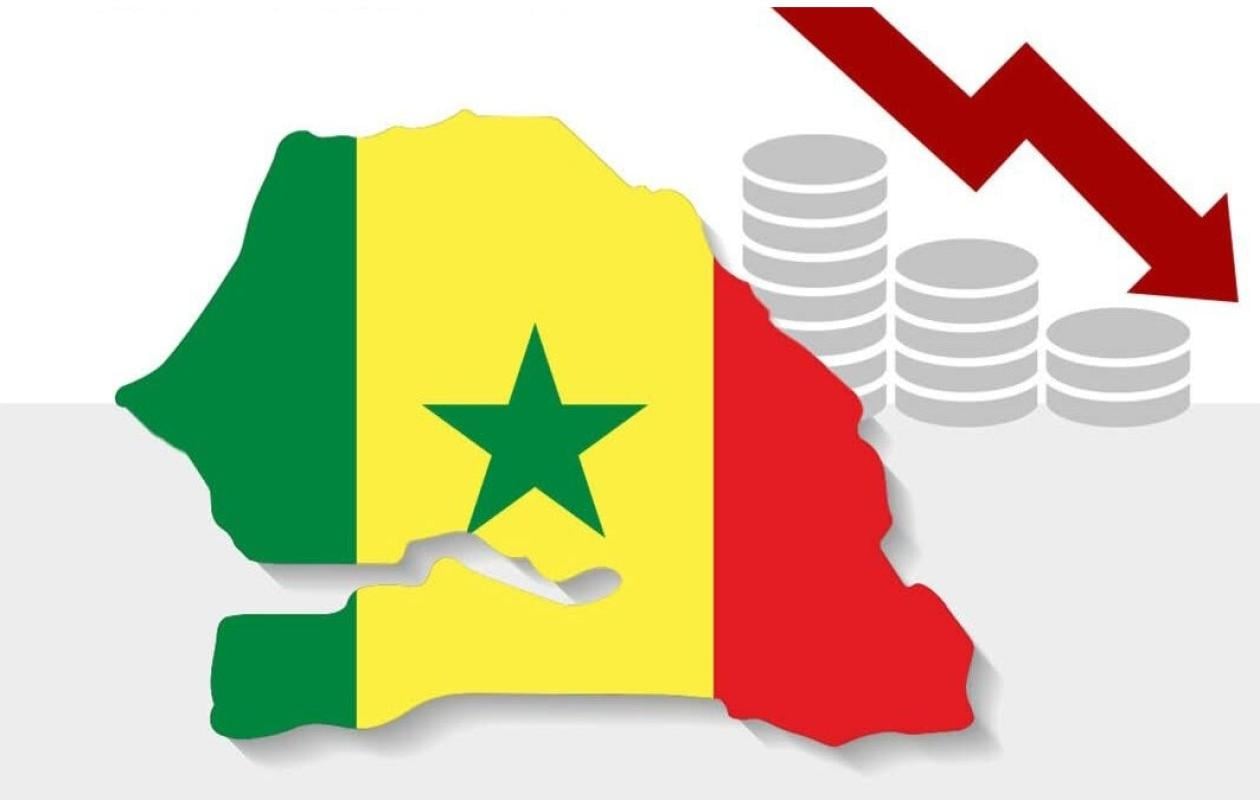
La dette des entreprises publiques : l’autre face des finances de l’État
The analysis of public finances is not limited to the expenditures and revenues recorded in the state budget. A portion of financial commitments lies outside the strict budgetary scope, particularly at the level of public enterprises. These companies, often entrusted with strategic missions in energy, transportation, or infrastructure, can accumulate significant debt. Even when these loans are not directly included in the state debt, they can become a public burden in the event of difficulties, thus complicating a true assessment of the financial situation.
In many countries, state-owned enterprises play a central role in the economy. They operate in sectors requiring substantial investment, such as electricity, water, hydrocarbons, and transportation. To finance their projects, they frequently resort to borrowing, sometimes with a state guarantee, sometimes without. When their financial situation deteriorates, public authorities are often compelled to intervene to prevent service interruptions or broader economic consequences. This intervention can take the form of subsidies, debt buybacks, or called-in guarantees, which indirectly transfers the risk to the national budget.
In Senegal, the role of state-owned enterprises in investment remains significant, particularly in the energy and infrastructure sectors. Budget documents regularly mention commitments linked to state guarantees or financial support programs. These commitments are not always included in public debt in the strict sense, but they represent potential liabilities. Their realization depends on the financial situation of the companies involved, which complicates risk assessment.
This situation poses a problem for the transparency of public finances. When analyses focus solely on direct government debt, they can underestimate the real risks. International financial institutions are increasingly emphasizing the need to integrate contingent liabilities—that is, commitments that could become public debt—in sustainability assessments. A struggling public enterprise can quickly transform a theoretical risk into actual budgetary expenditure.
The issue concerns not only the level of debt, but also the governance of public enterprises. Inadequate management, unprofitable projects, or delays in reforms can increase debt without any lasting improvement in service delivery. Under these conditions, financial risk accumulates gradually and can emerge abruptly when the situation becomes untenable. The cost to the state can then be high, especially when the sums involved concern strategic sectors.
Better monitoring of public enterprise debt and increased transparency regarding guarantees are therefore crucial elements of budget management. A comprehensive view of commitments helps avoid surprises and better anticipate future financing needs. In economies where the state maintains a significant presence in key sectors, the sustainability of public finances also depends on the financial soundness of the companies linked to it.























Commentaires (4)
Participer à la Discussion
Règles de la communauté :
💡 Astuce : Utilisez des emojis depuis votre téléphone ou le module emoji ci-dessous. Cliquez sur GIF pour ajouter un GIF animé. Collez un lien X/Twitter, TikTok ou Instagram pour l'afficher automatiquement.