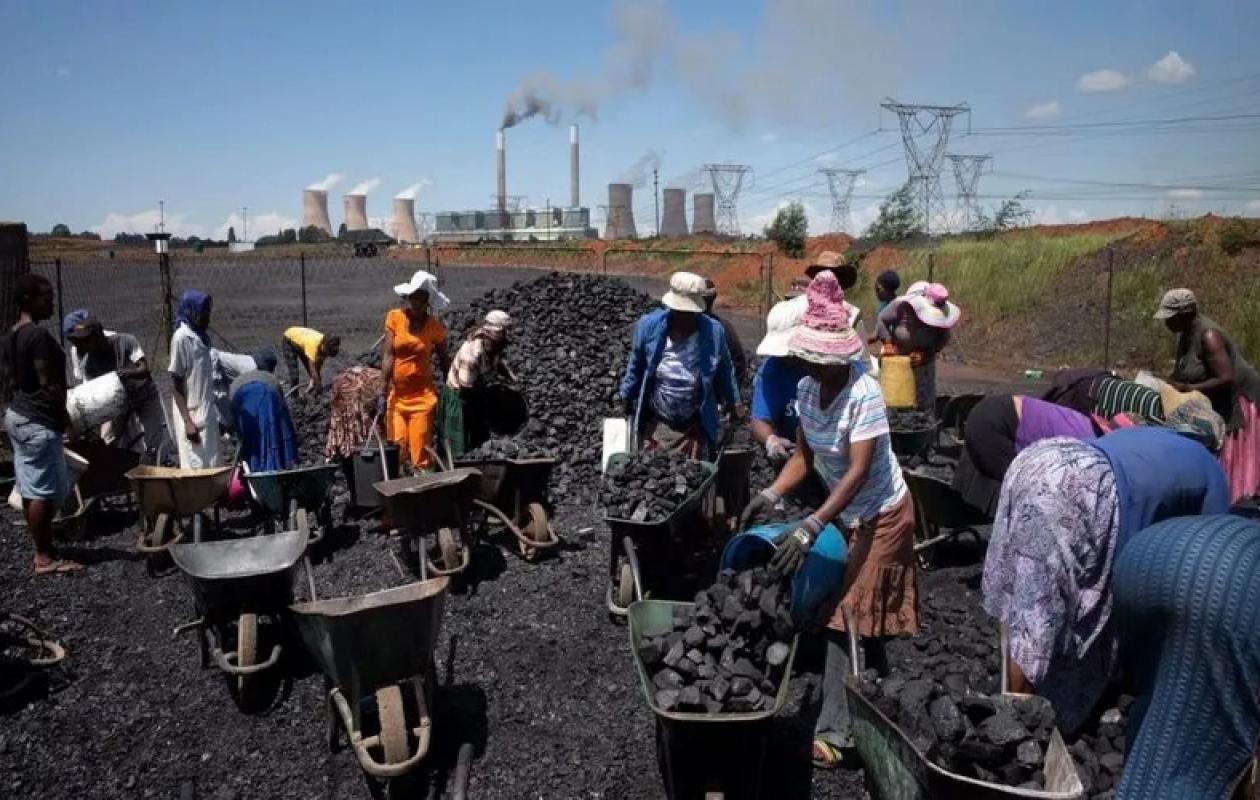
Le marché africain du carbone : entre potentiel financier et contraintes structurelles
The African carbon market is attracting increasing attention, as it could mobilize new financing for the energy transition and ecosystem preservation. The potential revenues are considered significant by the Africa Carbon Markets Initiative (ACMI), which highlights the continent's capacity to generate substantial income through carbon credits. Despite this promising outlook, trading volumes remain modest and concentrated in a few countries, notably Kenya, Malawi, and Ghana, which are among the most active in voluntary mechanisms.
Regulatory frameworks remain highly heterogeneous, complicating the emergence of an integrated market. Some countries have adopted national registries and licensing procedures, while others are still operating with fragmented standards. In 2023, Kenya published regulations structuring the sale of carbon credits to enhance contract transparency and increase the share of revenue accruing to local communities. Ghana announced frameworks for transactions carried out under Article 6 of the Paris Agreement, particularly in the forestry sector. Other countries, such as Senegal and Côte d'Ivoire, are still working to consolidate their legal frameworks to align carbon projects with their national priorities.
Measurement, reporting, and verification methodologies are among the most sensitive issues. Controversies have arisen around certain REDD+ projects, particularly in Central Africa, regarding the alleged overestimation of emission reductions. These debates have led to increased vigilance on the part of international buyers, who are demanding more robust data and strong independent verification. Strengthening national inventories, improving remote sensing, and providing technical support to specialized agencies are becoming essential conditions for restoring confidence and attracting demanding investors.
The voluntary carbon market is progressing despite these challenges, driven by growing global demand for credits from nature-based projects such as reforestation, mangrove conservation, and soil restoration. Several African countries are seeking to position themselves in these segments, as carbon sequestration costs are generally lower there than in Europe or North America. Regional discussions within the African Union also aim to prevent a race to the bottom in regulations and to promote common standards that would protect states from undervaluing their environmental resources.
The future of the African carbon market will depend on the ability to establish credible rules, ensure data quality, and increase community involvement in the financial benefits. Without these conditions, the stated ambitions risk encountering a lack of trust. With them in place, this market could become one of the most important levers for financing climate adaptation and supporting lower-carbon growth models.
























Commentaires (1)
Participer à la Discussion
Règles de la communauté
💡 Astuce : Utilisez des emojis depuis votre téléphone ou le module emoji ci-dessous. Cliquez sur GIF pour ajouter un GIF animé. Collez un lien X/Twitter, TikTok ou Instagram pour l'afficher automatiquement.
Se connecter
Commentez avec votre profil, votre photo, et soyez averti des réponses.