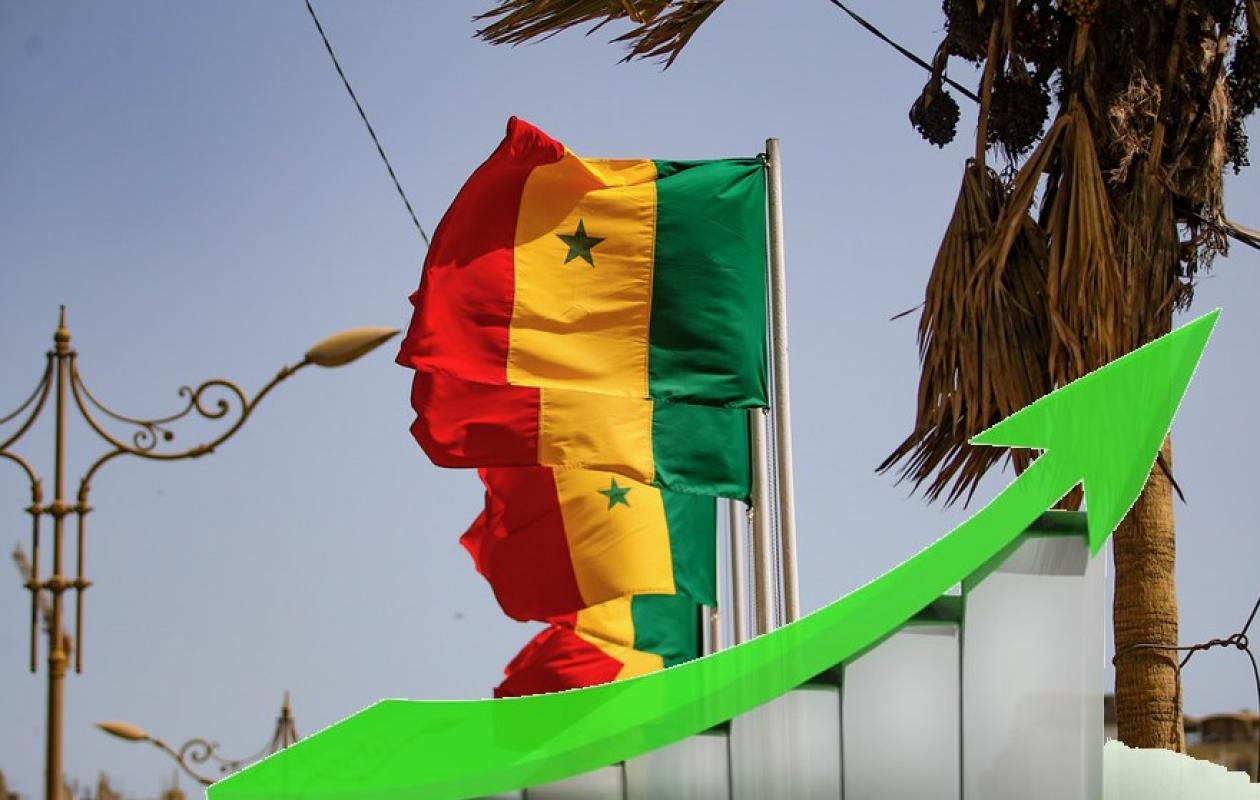
Periods of economic expansion are often seen as favorable times. Tax revenues rise, investments multiply, credit grows, and the outlook seems more positive. Yet it is often in these moments of euphoria that the imbalances leading to future downturns take shape.
The economy rarely moves in a straight line. It alternates between phases of growth, slowdown, and sometimes recession, before picking up again—what economists call the business cycle.
When activity accelerates sharply, companies borrow more, households spend more, and governments often increase their spending. Banks become more willing to lend, investors take on more risk, and certain assets—like real estate or stocks—see their prices climb rapidly.
This dynamic can become problematic when players assume that current growth will last forever. Companies sometimes invest too quickly, households take on more debt, and governments postpone reforms because revenues are still rising.
Recent examples abound. Before the 2008 financial crisis, several countries experienced a long period of easy credit, rising housing prices, and massive debt. When financial conditions tightened, much of that growth proved artificial and unsustainable.
In several African countries, periods of strong growth tied to commodities have sometimes produced the same effect. A rise in the price of oil, cocoa, copper, or gold can quickly improve public finances and support investment. But if governments borrow heavily assuming these revenues will last, a reversal in prices can quickly destabilize the economy.
Senegal itself could face this risk with the new revenues expected from oil and gas. An increase in resources can boost public investment and consumption, but it can also encourage excessive spending, rising debt, or unprofitable projects if safeguards are insufficient.
Rapid growth phases can also fuel land and real estate speculation. When prices rise quickly, some investors buy with the idea of selling later at a higher price, which can inflate price bubbles and gradually push households out of the market.
That is why favorable periods often require more caution than one might think. Strong growth does not always guarantee a solid economy. Sometimes, it already masks the imbalances that will trigger the next slowdown.























Commentaires (1)
Participer à la Discussion
Règles de la communauté :
💡 Astuce : Utilisez des emojis depuis votre téléphone ou le module emoji ci-dessous. Cliquez sur GIF pour ajouter un GIF animé. Collez un lien X/Twitter, TikTok ou Instagram pour l'afficher automatiquement.