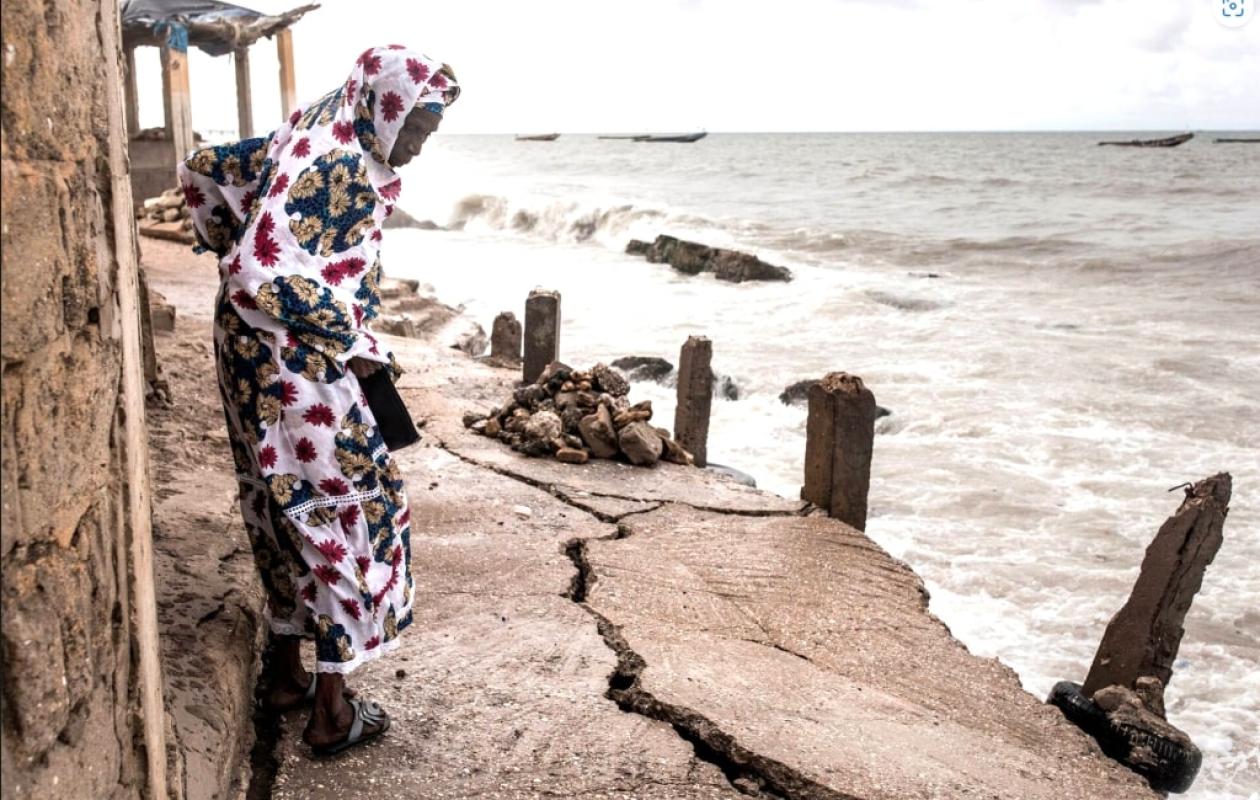
L’économie de la résilience climatique
Climate adaptation is gradually emerging as a central economic variable as the frequency and intensity of environmental shocks increase. Floods, droughts, heat waves, and coastal erosion directly affect production, infrastructure, and household incomes. These phenomena are no longer the exception but a new normal that is profoundly altering the conditions for growth.
Economic comparisons show that preventive investment offers a high return. The World Bank, through the Global Facility for Disaster Reduction and Recovery, estimates that every dollar invested in resilience to environmental shocks prevents approximately four dollars in future losses related to climate disasters. Yet, in many low- and middle-income countries, spending on adaptation represents less than 10% of the needs estimated by international institutions. This discrepancy reflects a persistent preference for remediation after the fact rather than anticipation.
The cost of this underallocation is evident in national accounts. According to the International Monetary Fund, climate shocks can reduce the annual GDP of some vulnerable countries by 2% to 5% during years of major disasters. These losses are not limited to material destruction; they also include decreased productivity, business interruptions, and the erosion of human capital.
Public finances are particularly vulnerable. Emergency spending and the reconstruction of roads, schools, and energy networks absorb resources that could have been allocated to education, health, or productive investment. In several African and island economies, the budgetary costs associated with extreme weather events regularly exceed 1% of GDP annually, complicating debt management and multi-year planning.
Climate prevention, however, is not solely a budgetary burden. It can become a lever for economic transformation when integrated into sectoral policies. Climate-smart agriculture, resilient infrastructure, and sustainable water management promote more stable growth and reduce income volatility. These investments also enhance economic attractiveness by decreasing the risk perceived by investors.
Social inequalities exacerbate the macroeconomic challenge. Populations most vulnerable to climate shocks generally have limited room for adaptation and fall into poverty more quickly after a disaster. The United Nations Development Programme emphasizes that without inclusive resilience policies, more than 100 million additional people could fall into extreme poverty globally by 2030 due to climate change.
The economics of foresight thus rests on a delicate intertemporal trade-off. Postponing investment helps contain short-term deficits but increases future losses and structural vulnerability. Conversely, integrating prevention into budgetary and financial choices requires a long-term vision and strengthened institutional coordination. Resilience to environmental shocks thus becomes less of a cost and more of a collective insurance policy against future economic instability.





















Commentaires (1)
Participer à la Discussion
Règles de la communauté
💡 Astuce : Utilisez des emojis depuis votre téléphone ou le module emoji ci-dessous. Cliquez sur GIF pour ajouter un GIF animé. Collez un lien X/Twitter, TikTok ou Instagram pour l'afficher automatiquement.
Se connecter
Commentez avec votre profil, votre photo, et soyez averti des réponses.